






The Noise of Modern Wellness
Scroll through any social media feed and you’ll find wellness packaged as a commodity. It’s acai bowls in the dead of winter, expensive 'superfood' powders shipped from across the globe, and a constant pressure to optimise with products rather than practices.
This version of wellness can feel performative and disconnected from our daily reality. It asks us to trust a brand, a lab, or an influencer. It often involves a hefty price tag and a significant carbon footprint, leaving a lingering question: is this really making me well, or am I just buying into a very effective marketing campaign?
The Honesty of the Local Season
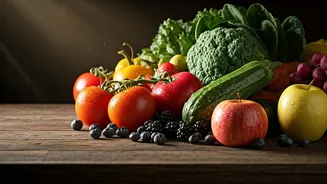
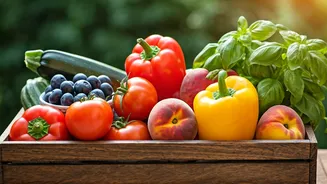
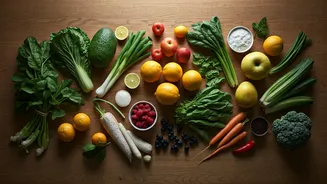
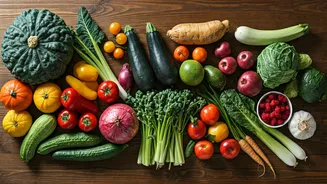
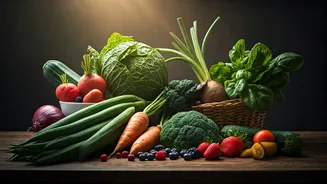
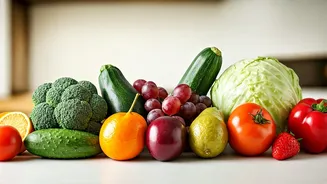
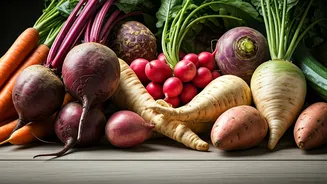
Now, contrast that with the simple, undeniable honesty of eating seasonally. This isn't a new trend; it’s an ancient wisdom our grandparents lived by. It’s the unrestrained joy of the first mangoes of summer, the deep comfort of winter carrots and sarson ka saag, and the refreshing crunch of monsoon cucumbers. Eating seasonally means consuming produce that is grown and harvested in its natural season in your local region. It's a practice that aligns our bodies with the cycles of the earth. There's an inherent truth to it. The food isn't pretending to be something it’s not; it’s a pure expression of a specific time and place.
Flavour is the First Truth
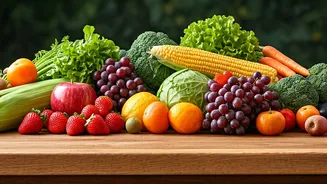
The most immediate and convincing argument for seasonal produce is taste. A strawberry picked in the peak of its short winter season is bursting with sweetness and flavour. That same strawberry, forced to grow in a greenhouse in the scorching summer heat and shipped from a distant location, is often a pale, watery imitation. When food is grown in its intended season, it develops its full flavour profile. The sun, soil, and temperature all work in harmony to create something delicious. This superior taste isn’t a luxury; it’s a sign that the food is at its peak, just as nature intended. It’s an honest flavour that no artificial ripening or long-haul journey can replicate.
Nutritional Integrity and Peak Potency
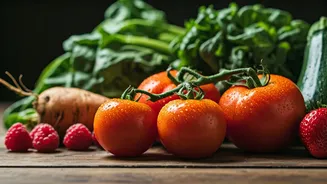
While science confirms that most produce retains good nutritional value, there's a strong case for the heightened potency of seasonal food. When fruits and vegetables are allowed to ripen fully on the vine or in the ground, they develop their maximum levels of vitamins, minerals, and antioxidants. Produce that is picked early to withstand long-distance shipping and storage simply doesn't get that chance. Eating a locally sourced, seasonal tomato means you’re likely getting more of the lycopene and vitamin C it was meant to provide. This isn't about chasing 'superfoods'; it's about getting the super benefits from the everyday foods growing right around you.
A Lighter Footprint on the Planet
The 'honesty' of seasonal produce extends to our relationship with the planet. Choosing a winter cauliflower over summer asparagus that has been flown in from another continent is a powerful environmental choice. Seasonal, local eating drastically reduces 'food miles'—the distance food travels from farm to plate. This means less fuel consumption, lower carbon emissions, and less reliance on energy-intensive cold storage and artificial preservation methods. In a way, it’s a form of wellness that doesn’t just benefit our bodies, but also acknowledges our responsibility to the health of our environment.
Reconnecting with Our Roots
Finally, eating seasonally rebuilds a connection that modern life has severed: the link between us and the source of our food. It encourages us to visit the local sabzi mandi, to talk to the vendors, and to understand where our food comes from. It supports local farmers and strengthens the community economy. This act of conscious consumption turns a simple meal into something more meaningful. It’s a quiet rebellion against the anonymous, industrialised food system. It’s a vote for transparency, for community, and for a way of life where wellness is rooted in reality, not just marketed as a lifestyle.