



The Allure of a Brand New Home
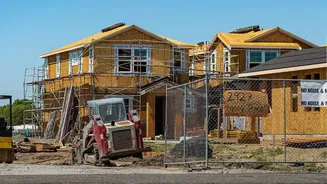
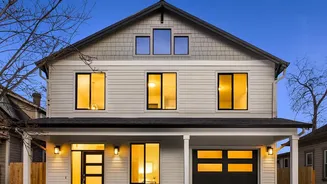
A new construction home offers a clean slate. Everything from the wiring to the plumbing is untouched, significantly lowering maintenance costs for the first few years. For under-construction projects, the Real Estate (Regulation and Development) Act,
or RERA, provides a major safety net. It binds the developer to deliver on promised specifications, carpet area, and possession timelines, adding a layer of transparency that was absent in the past. Many builders also offer customisation options if you buy early, allowing you to choose finishes and fixtures. The downsides? New projects often carry a premium price tag and are usually located in developing suburbs, meaning you might have to wait for social infrastructure like schools and markets to catch up. Possession delays, though less common post-RERA, can still occur, and you'll have to factor in Goods and Services Tax (GST) on under-construction properties, which isn't applicable to ready-to-move-in homes.
The Charm of a Redeveloped Property
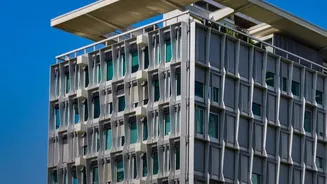
Redeveloped properties offer one major advantage: location. These projects replace old buildings in mature, well-connected neighbourhoods with established infrastructure. This means you get a modern home without sacrificing proximity to city centres, schools, and hospitals. Redevelopment allows you to stay in a familiar locality, which is a huge plus for families. Often, these homes can offer more space for your money compared to a new build in the same price bracket. However, the due diligence for a redeveloped property is more complex. While the apartment itself is new, the surrounding infrastructure outside the building compound is older. You must thoroughly verify the project's legal approvals, the builder's track record, and the chain of documents for the original property to avoid future disputes. While RERA may apply to redevelopment projects, the legal verification of the land's history remains critical.
A Look at the Financials
From a purely financial perspective, the comparison isn't straightforward. New homes often have a higher base price, plus additional charges like GST, floor rise premiums, and fees for amenities like clubhouses and parking. However, builders might offer flexible, construction-linked payment plans that can ease the initial cash flow burden. Redeveloped properties typically don't have GST if they are sold after completion, which can lead to significant savings. The per-square-foot rate might also be lower than a comparable new launch. However, you may need a larger budget for interior work or face different home loan eligibility criteria depending on the age and legal standing of the original society. The primary trade-off is often time versus money: a new build may cost more overall, while a redeveloped unit might offer better value in a prime location but require more upfront legal and renovation investment.
Legal Checks: RERA vs. Title History
This is where the two paths diverge significantly. For new projects, your primary shield is RERA, which mandates transparency from developers. However, this doesn't eliminate the need for basic legal checks. For redeveloped properties, the legal work is far more intensive. Your lawyer must verify the 'chain of title' for the original property, sometimes going back 30 years, to ensure the seller has a clear and marketable right to sell. You'll need to scrutinise the Encumbrance Certificate to check for existing loans or legal claims. You also need to verify the permissions granted by the society's original members and ensure all municipal approvals for the new structure are in place. Simply put, a registered sale deed is not a guarantee of clear ownership; it's just a record of the transaction.
Lifestyle and Community
Finally, consider the kind of life you want to lead. A new township often fosters a community of young families and professionals but can feel disconnected or sterile in its early years. You are part of building a new neighbourhood from the ground up. In contrast, moving into a redeveloped building places you in the heart of a settled community with its own rhythm, local markets, and established social circles. The infrastructure, from parks to public transport, is already in place and functional. Your choice depends on your priorities: do you prefer the excitement and modern amenities of a new development, or the convenience and stability of an established locality?