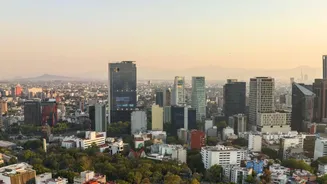



Across India’s bustling metros, a quiet revolution is taking place on patches of green. Once reserved for leisurely strolls, public parks are now vibrant hubs of activity, drawing crowds for much more than just a breath of fresh air.
The New Urban Playground
From Mumbai to Bengaluru,
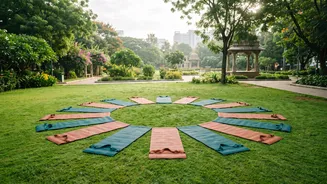
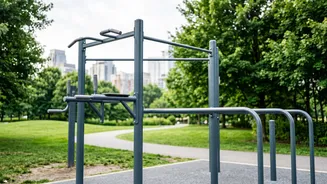
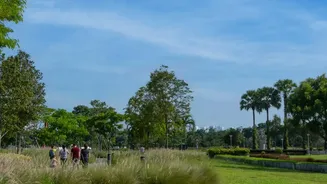
city parks are no longer just passive green lungs; they have become dynamic centres for community life. Early mornings see them filled with yoga groups stretching in unison, runners pounding dedicated tracks, and laughter clubs filling the air with infectious joy. In cities like Delhi and Mumbai, 'open-air gyms' with weather-proof equipment are becoming a common sight, offering a free and accessible alternative to traditional fitness centres. This trend reflects a broader shift in urban lifestyles, where residents are actively reclaiming public land for health and recreation. The activities are diverse, ranging from organised boot camps and martial arts classes to informal gatherings like potlucks and poetry readings, turning these spaces into true multi-purpose community assets.
A Quest for Wellness and Connection
The surge in park usage is driven by a growing consciousness around physical and mental well-being, particularly in the wake of the pandemic. After periods of confinement, urban dwellers have developed a deeper appreciation for open spaces that allow for safe social interaction and physical activity. Parks provide a crucial antidote to the stresses of city life, offering a space to connect with nature, reduce anxiety, and combat the loneliness that can accompany urban living. Studies have consistently shown that access to green spaces improves mental health, reduces stress, and promotes a sense of community. This renewed focus on holistic health is transforming parks from mere recreational spots into essential public health infrastructure.
Fostering a New Social Fabric
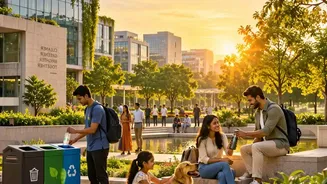
Beyond fitness, parks are becoming modern-day town squares where social bonds are forged. They are evolving into 'third places'—vital social environments separate from home and work. In Bengaluru's Cubbon Park, for instance, you can find everything from dog-owner meetups and art classes to storytelling sessions for children. These activities, often organised by community groups and promoted through social media, help build tight-knit local networks. This social dimension is critical in fast-paced metropolitan environments, providing a platform for people from diverse backgrounds to connect over shared interests, fostering a sense of belonging and collective identity that strengthens the entire community.
Cities Respond to the Green Rush
Municipal bodies and citizen groups are taking notice of this organic movement. In several cities, there are concerted efforts to revitalise existing parks and create new ones. Delhi, for example, is redeveloping major corridors to include landscaped green areas, pedestrian plazas, and cycle tracks, connecting historical sites with public spaces. The Ministry of Ayush has even launched a 'Yoga Park' initiative to formally develop parks into community wellness hubs. Citizen-led initiatives are also playing a huge role, with volunteer groups in cities like Bengaluru organising clean-up and plogging drives to maintain their local parks. However, challenges remain. Ensuring these spaces are safe, wellmaintained, and equitably accessible to all residents is an ongoing task for urban planners. The goal is to create a network of green spaces that can support this growing demand for outdoor community life.