






The Golden Handcuffs of Content
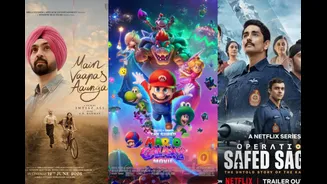
The new era of exclusivity isn't just about creating a hit show no one else has; it's about controlling how and when audiences see it. Platforms are experimenting with various models, from dropping entire seasons for binge-watching to weekly episode releases
that aim to build sustained buzz. Some are even creating exclusive 'windows,' where a movie or series is only available for a limited time to drive urgent sign-ups. This strategy extends beyond just having exclusive titles; it now includes premium features like 4K resolution or ad-free viewing, which are increasingly locked behind more expensive subscription tiers. The goal is simple: make the service indispensable to a target audience, even if it means not being for everyone.
A Symptom of a Saturated Market
This intense focus on exclusivity is a direct response to a major industry shift. The era of explosive, easy growth is over. We've reached what many call 'peak streaming,' where the average household is already juggling multiple subscriptions and feeling the financial strain of 'streamflation.' Consumers are becoming more selective, with household spending on subscriptions rising while the number of services used is actually declining. In this environment, platforms are no longer just competing for new customers; they are in a fierce battle to retain the ones they have and prevent 'churn,' where users subscribe to watch one show and cancel immediately after.
The Allure of the 'Must-See' Event
When it works, an exclusive strategy can be incredibly powerful. A single, culturally dominant show, movie, or live sporting event can drive a massive influx of new subscribers. Peacock's exclusive NFL playoff game, for instance, reportedly drove nearly 3 million sign-ups. This is the core appeal of the model: create a 'fear of missing out' (FOMO) so strong that subscribing feels essential. This tactic has proven effective across different media, from Netflix's original series to exclusive games on online casino platforms, all designed to build brand identity and a loyal community of paying users. For the platforms, this is the holy grail: turning a piece of content into a direct driver of revenue.
The Hidden Costs and Consumer Backlash
However, this strategy is fraught with risk. Forcing viewers to subscribe to multiple services to follow their favorite content can lead to frustration and 'subscription fatigue.' As costs rise and libraries are fragmented across countless platforms, some consumers are pushing back. This can manifest in several ways, from users diligently rotating subscriptions to cancelling services over price hikes or the removal of a favorite show. More alarmingly for the industry, this frustration is also contributing to a resurgence in piracy, as some viewers seek ways around the ever-multiplying paywalls.
Is the pendulum swinging back?
Interestingly, some companies are now experimenting with loosening their grip on exclusivity. Warner Bros. Discovery, for example, has licensed some of its flagship HBO shows to rival Netflix. The thinking is that sharing content can create new revenue streams, maximize the value of a show by reaching a wider audience, and even act as a marketing tool to draw viewers back to the original platform. This suggests a move toward a more nuanced 'windowing' strategy, where content might be exclusive for a period before being licensed elsewhere. Even Spotify has allowed some of its once-exclusive podcasts to be distributed on other platforms to boost audience reach.