
The Tandoor-at-Home Challenge
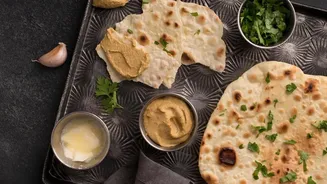
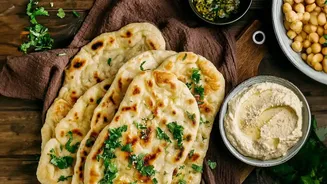
For decades, the gold standard for many Indian breads like naan and kulcha has been the tandoor, a cylindrical clay oven that reaches incredibly high temperatures. This intense, dry heat cooks the bread in minutes, creating a signature combination of
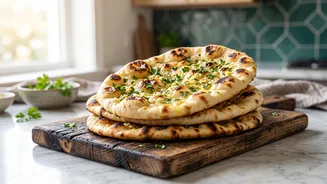
a blistered, lightly charred exterior and a soft, pillowy interior. Replicating this environment in a standard home kitchen was the primary hurdle. Traditional ovens don't get hot enough, and a regular pan often results in bread that's either undercooked and doughy or dry and hard. This led to a widespread belief that certain breads were best left to the professionals.
A Revolution on the Stovetop
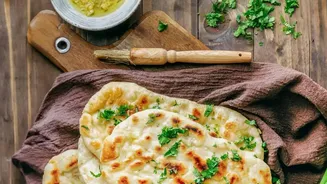
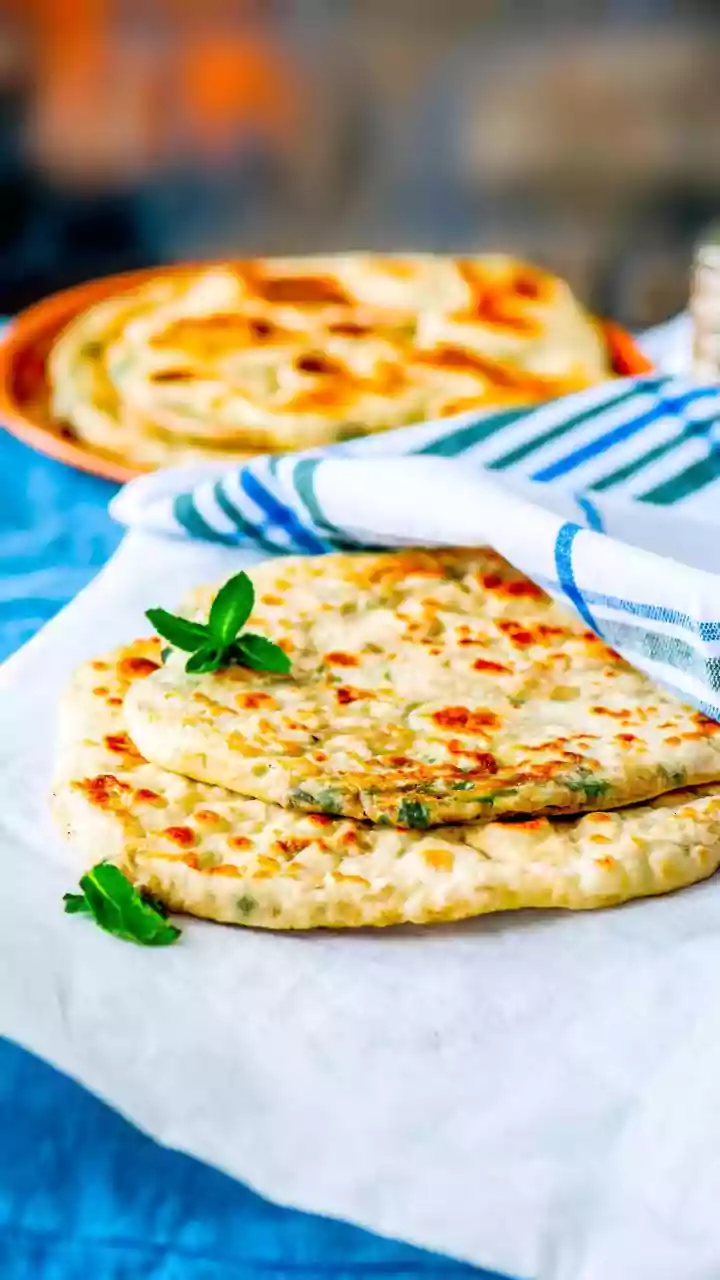
So, what has changed? A combination of accessible knowledge and clever techniques has bridged the gap between the restaurant and the home kitchen. Chefs and passionate home cooks have developed methods that ingeniously mimic the tandoor's effect using everyday equipment. The most significant development is the widespread adoption of the heavy iron tawa or cast-iron skillet. These pans retain and distribute high heat evenly, which is crucial. The popular technique for naan, for instance, involves slapping a water-brushed side of the dough onto the hot tawa. The water helps it stick, and once bubbles appear, the entire tawa is inverted over a direct flame. This second step chars the top surface, beautifully simulating the tandoor's intense overhead heat.
Secrets to a Perfect Dough
Beyond the cooking method, there is a greater understanding of dough science being shared online. The secret to a soft, restaurant-style kulcha or naan lies in a very soft, supple, and well-hydrated dough. Using ingredients like yoghurt or curd for tenderness and baking soda for fluffiness has become common practice. Countless online video tutorials and blog posts now offer detailed, step-by-step guidance, demystifying processes that were once passed down through generations or held as trade secrets. Chefs now openly share common pitfalls, such as overworking the dough which makes it chewy, using too much flour while rolling which makes it dry, or not letting the dough rest sufficiently.
Beyond Naan: Mastering Kulcha and More
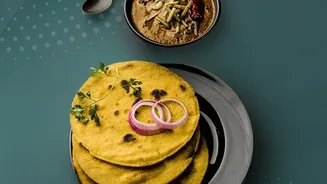
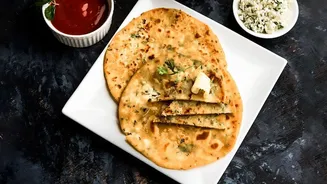
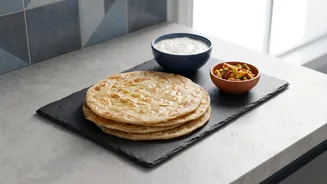
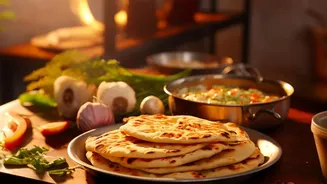
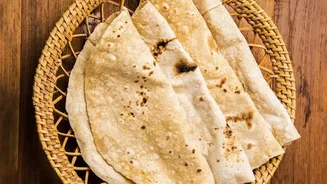
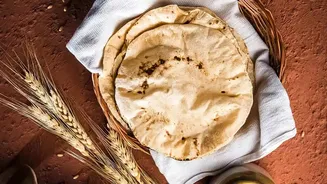
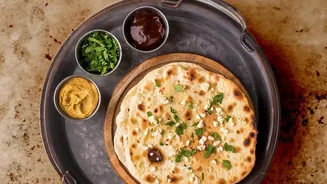
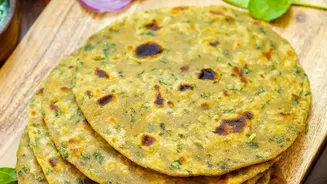
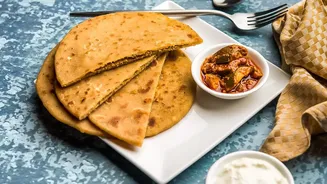
The trend isn't limited to just naan. The beloved kulcha, whether plain or stuffed, is also seeing a homemade revival. The principles are similar: a soft dough and very high heat are essential for success. Experts advise that for a stuffed kulcha, the filling must be relatively dry to prevent the dough from tearing during rolling and cooking. Even the simple daily roti is getting an upgrade, with home cooks focusing on techniques to ensure it puffs up perfectly every time and stays soft for hours. This growing confidence in the kitchen is part of a larger trend of Indians embracing home cooking not just for convenience, but as a fulfilling, hands-on experience.
The Essential Home Toolkit
While you don't need a professional kitchen, a few key tools can make a significant difference. A heavy iron tawa or a good quality cast-iron skillet is non-negotiable for achieving that crucial high heat. A pair of tongs, or a chimta, is essential for safely flipping the breads and holding them over an open flame for that final char. The traditional chakla (rolling board) and belan (rolling pin) remain the best tools for rolling out evenly thin flatbreads. Finally, having quality ingredients like good all-purpose flour, yeast, and full-fat yoghurt will provide the foundation for a delicious and authentic-tasting result.