







The Urban Sleep Deficit
Living in a major city has always been a trade-off. You get culture, career opportunities, and connection, but you sacrifice peace and quiet. For millennials who built careers on a foundation of 'hustle culture,' that trade-off is coming due. City life
is a cocktail of sleep disruptors: ambient light pollution messes with our internal clocks, while traffic and construction provide a constant, low-grade noise that prevents deep rest. Add in the long commutes and the modern pressure of work-from-home, where the boundary between office and living room has evaporated, and you have a generation that is chronically tired. It's not just about feeling groggy; studies have found that people in greener, quieter neighborhoods report better sleep and fewer insomnia symptoms, a luxury often unavailable in a dense urban core. A recent survey highlighted the depth of the issue, with 43% of millennials admitting they've used paid time off simply to catch up on sleep.
From 'Vacation' to 'Sleepcation'
The travel industry is taking notice of this exhaustion. The new buzzword is 'sleep tourism,' and it represents a fundamental shift in why people travel. Instead of cramming a trip with sightseeing and nightlife, a growing number of travelers—especially millennials and Gen Z—are booking getaways with the primary goal of getting a good night's rest. Hotels and retreats are now marketing themselves based on their sleep-friendly amenities: blackout curtains, soundproofed rooms, premium mattresses, and even 'cell phone sleeping bags' to encourage a digital detox. This isn't about being lazy; it's about being intentional. A 2024 survey showed that 'rest and relaxation' has officially overtaken 'having a fun time' as the main motivator for leisure travel. People are no longer just escaping their jobs; they're escaping the state of constant, adrenalized stimulation that modern life demands.
The Modern 'Hill Station' Prescription
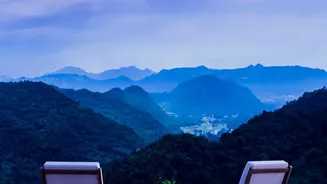
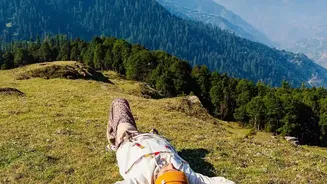
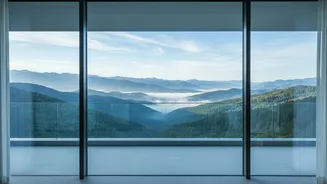
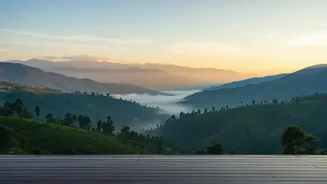
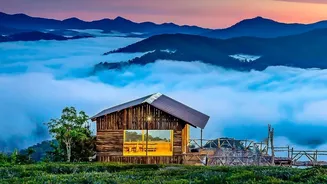
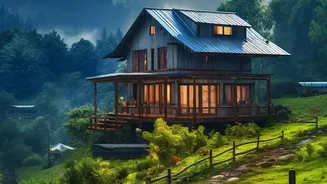
The headline's term, 'hill station,' has a specific origin. It dates back to colonial Asia, where European officials would retreat to higher-altitude towns to escape the oppressive summer heat. These were purpose-built zones for rest and recuperation. Today, the concept is being reborn not as a colonial escape, but as a wellness strategy. For the stressed American millennial, a 'hill station' isn't about escaping heat; it’s about escaping noise, light, and notifications. Think of it as the U.S. equivalent: quiet mountain towns in the Catskills, the Blue Ridge Mountains, or the serene corners of Vermont. The science supports the impulse. Natural environments trigger our parasympathetic nervous system, the body's 'rest and digest' mode. Exposure to natural light during the day and true darkness at night helps reset our circadian rhythms, boosting the production of melatonin, the sleep hormone. The crisp, clean air and profound quiet of these natural retreats allow the body to finally enter the deep, restorative sleep it can't find in the city.
More Than Just a Power Nap
While the immediate goal is sleep, this trend is about something much larger: a conscious rejection of burnout. For a generation told to optimize every moment, choosing to do nothing is a radical act of self-care. These trips are an investment in mental and physical health, fueled by a growing awareness that no amount of success is worth chronic exhaustion. Experiencing a few nights of genuinely restorative sleep can be a revelation, reminding people how good they are supposed to feel. Many return home inspired to build healthier routines, from reducing screen time to prioritizing time in nature. This isn't just about escaping for a weekend; it's about learning how to bring the peace of the 'hill station' back into the chaos of daily life, one intentional, restful night at a time.