
A World Reborn and Repainted
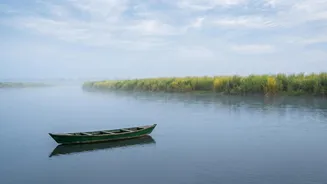
The most immediate change following the monsoon is the sheer vibrancy of the landscape. Months of rain wash the dust from every leaf, turning the forests into a sea of emerald and jade. Parched riverbeds and waterholes are now brimming, reflecting the clear
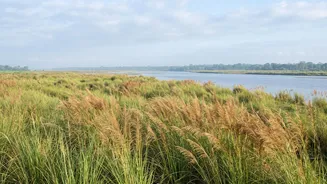
October skies. This ecological reset is vital; it replenishes the soil, cycles nutrients, and allows the entire ecosystem to breathe and recover. For travellers, this means the forest is at its most beautiful and photogenic. The air is clean and crisp, and the scenery, from the sal forests of Kanha to the grasslands of Kaziranga, is breathtakingly lush. Even waterfalls like Barehipani and Joranda in Similipal National Park are at their most dramatic during this period.
How Wildlife Adapts and Thrives
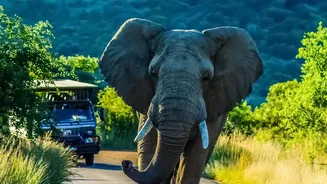
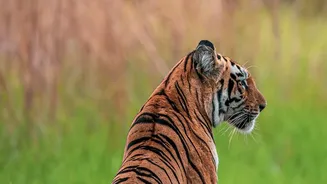
The abundance of water and fresh vegetation has a profound effect on animal behaviour. For herbivores like deer, gaur, and elephants, it's a time of plenty. They are often seen grazing in open meadows, enjoying the rich foliage. This, in turn, changes the game for predators. With dense undergrowth providing ample cover for prey, tigers and leopards must work harder to hunt. While this can make sightings more of a challenge compared to the dry summer months, it also makes them more rewarding. The forest is also alive with smaller creatures; insects, butterflies, and amphibians are abundant, and the birdwatching is exceptional, with both resident and early migratory species active. Elephants are particularly playful, often seen enjoying the full waterholes.
Managing Sighting Expectations
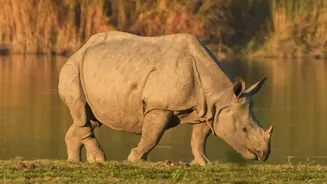
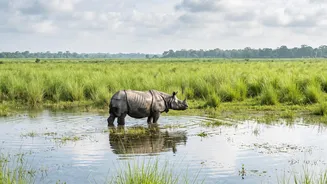
A post-monsoon safari is a different experience from a summer one. While the searing heat of April and May concentrates animals around scarce water sources, making for easier sightings, October and November offer a different kind of magic. The focus shifts from guaranteed big cat sightings to a more holistic jungle experience. The thick foliage means you have to work with your guide, listening for alarm calls and tracking signs. Parks with open grasslands like Kanha and Kaziranga may offer better visibility for spotting animals like the barasingha or the one-horned rhinoceros. However, the beauty of the rejuvenated forest and the sheer abundance of life make it a worthwhile trade-off for any nature lover. It's about appreciating the entire ecosystem in its most vibrant state.
A Checklist for the Post-Monsoon Traveller
Most national parks in India, including prominent tiger reserves like Ranthambore, Kanha, Bandhavgarh, and Tadoba, reopen their core zones between October 1st and October 16th. Kaziranga typically reopens in early October for jeep safaris, though elephant safaris may start later. It is crucial to book your safaris and accommodation well in advance, as this is a popular time for wildlife enthusiasts. When packing, think in layers. Early morning safaris can be surprisingly cold, but the day warms up quickly. Neutral-coloured clothing, a hat, sunscreen, and good binoculars are essential. Also, be prepared for potentially muddy tracks left over from the rains. Always check the latest information from the respective forest department before your trip, as opening dates and routes can sometimes change.