



The Foundation: Crew Resource Management
At the heart of aviation safety is a concept known as Crew Resource Management (CRM). Developed in the late 1970s after a series of accidents were attributed to human error, CRM is a comprehensive training philosophy that emphasizes teamwork, situational
awareness, and, most importantly, clear communication among all crew members. It trains pilots and flight attendants to work as a cohesive unit, effectively using every resource available—from equipment to each other's expertise—to ensure a safe flight. This framework moves away from a rigid hierarchy and encourages a collaborative environment where a flight attendant who spots an unusual situation is empowered and expected to report it to the cockpit, and pilots are trained to listen. It is the bedrock upon which all emergency procedures are built.
The Sterile Cockpit: A Zone of Total Focus
During the most critical phases of flight—typically takeoff, landing, and any operations below 10,000 feet—a mandatory procedure known as the "Sterile Cockpit Rule" is in effect. This FAA regulation, established in 1981, strictly prohibits any conversation or activity that is not essential to the safe operation of the aircraft. This means no casual chat, no non-essential announcements, and no interruptions from the cabin unless it pertains to an immediate safety concern. The rule was created because investigations found that distractions during these high-workload periods had contributed to accidents. By enforcing a sterile cockpit, pilots can dedicate their full attention to flying the aircraft, navigating, and communicating with air traffic control, ensuring that their focus is undivided when it matters most.
The Cabin Crew: Eyes and Ears of the Aircraft
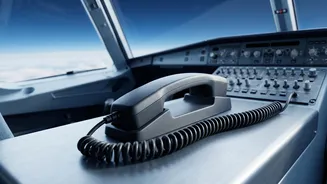
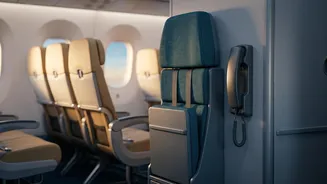
While pilots manage the technical aspects of flying from the flight deck, the cabin crew are their sensory extensions throughout the rest of the plane. They are trained observers, constantly monitoring for potential hazards like smoke, strange noises, unusual smells, or suspicious passenger behavior that pilots cannot see or hear. In an emergency, their role is not just to keep passengers calm, but to gather and relay critical information. For example, in the event of a suspected fire, a flight attendant can provide the exact location and severity, allowing the pilots to take targeted action. This information flow is a two-way street; pilots will use the interphone system to give flight attendants specific instructions or seek crucial details before making a decision, like initiating an evacuation.
A Symphony in a Crisis: The Miracle on the Hudson
Perhaps no event better illustrates the power of effective crew communication than US Airways Flight 1549. On January 15, 2009, after a bird strike caused both engines to fail shortly after takeoff, Captain Chesley "Sully" Sullenberger and First Officer Jeffrey Skiles had mere minutes to act. While they worked through checklists and decided to ditch the aircraft in the Hudson River, they made a crucial call to the cabin: "Brace for impact." This simple, clear command triggered the flight attendants' extensive training. They immediately began shouting instructions to passengers, preparing them for the water landing. Once the plane was down, the seamless coordination continued. The pilots and flight attendants worked together to conduct a swift and orderly evacuation, resulting in the survival of all 155 people on board. The NTSB later hailed the crew's professionalism as a textbook example of successful crisis management.
When Communication Fails
Conversely, a breakdown in communication can have tragic consequences. Investigations into various aviation incidents have revealed that a lack of clear and timely information exchange between the cockpit and cabin can worsen an already dangerous situation. In one incident, an engine fire and subsequent evacuation led to a passenger being seriously injured because the cabin crew initiated the evacuation before receiving the command from the cockpit, and an exit was opened while the engine on that side was still running. These cases underscore why standardized phrases, dedicated communication channels like the interphone, and strict adherence to protocols are so vital. Without them, the response to a crisis can become fragmented and chaotic, putting both passengers and crew at greater risk.