


The Superfood in Your Backyard
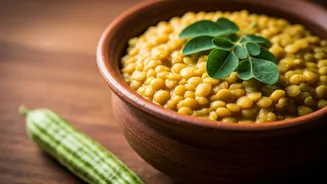
Moringa, often known as the drumstick tree or ‘shevga’, is hardly a new discovery. Its drumsticks are a beloved ingredient in sambhar and curries across the country. However, the true nutritional hero might just be its leaves. For centuries, these leaves have
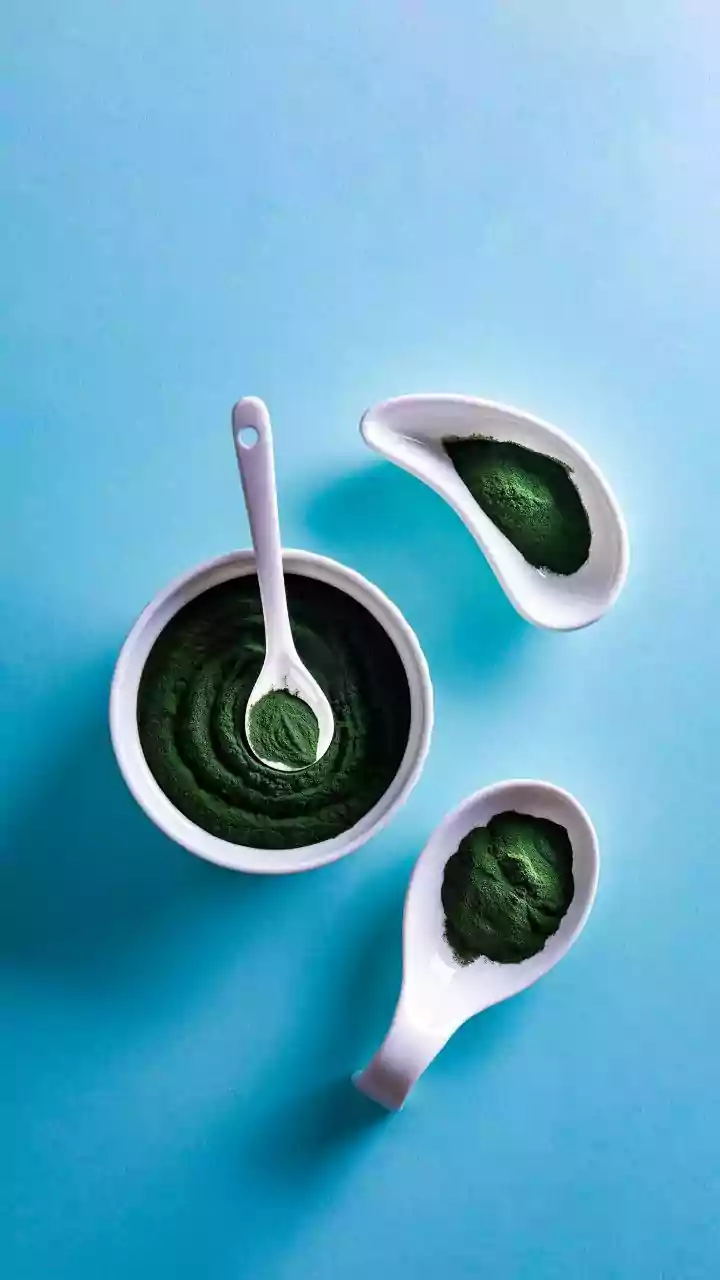
been used in traditional medicine, but now modern science is catching up, celebrating moringa as a bona fide superfood. Packed with vitamins, minerals, and antioxidants, moringa leaves offer a concentrated burst of wellness. When dried and crushed into flakes or powder, they become an incredibly convenient supplement to add to your everyday cooking, preserving most of their potent nutritional benefits.
Unlocking the Iron Potential
One of the most significant benefits of moringa is its impressive iron content. Iron deficiency is a widespread health concern in India, leading to fatigue, weakness, and other health issues. While meat is a rich source of easily absorbed heme iron, plant-based (non-heme) iron, like that found in moringa and lentils, needs a little help to be fully utilized by the body. This is where the combination with dal becomes brilliant. Most dal recipes include ingredients rich in Vitamin C, such as tomatoes, onions, or a final squeeze of lemon juice. Vitamin C is scientifically proven to dramatically increase the absorption of non-heme iron, making your moringa-infused dal a highly effective way to contribute to your daily iron needs. You’re not just adding iron; you’re adding it in a way your body can actually use.
Why Dal Is the Perfect Partner
Think of dal as the perfect vehicle for moringa. It’s a daily habit for millions, which means incorporating moringa doesn’t require a major lifestyle change. The complex and robust flavours of a typical dal—rich with turmeric, cumin, coriander, and asafoetida—provide the perfect camouflage for moringa's earthy taste. Unlike a smoothie or a glass of water where the flavour is front and centre, in dal, it blends seamlessly into the background. Furthermore, the inherent goodness of lentils, which are packed with protein and fibre, complements the vitamins and minerals in moringa, creating a meal that is balanced, nourishing, and incredibly wholesome.
A Simple Guide to Moringa Dal
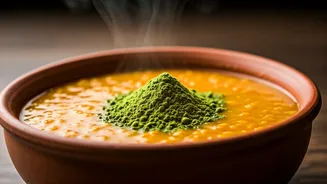
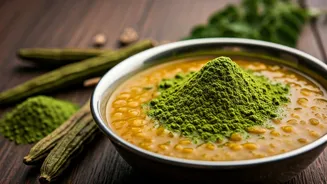
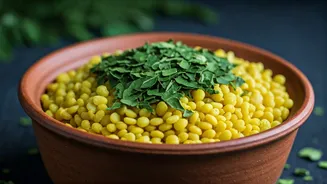
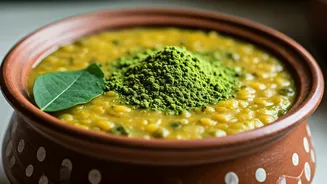
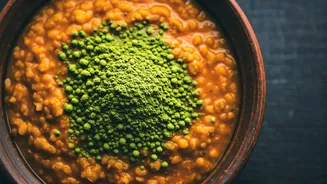
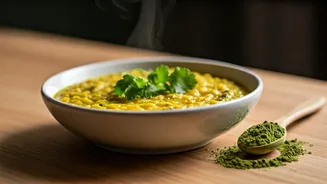
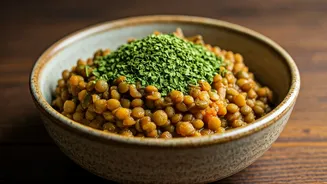
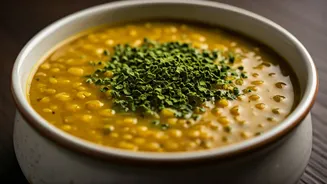
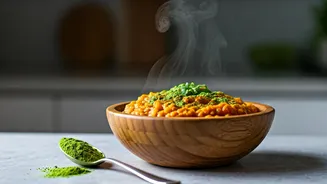
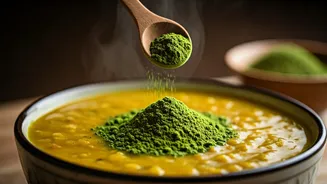
Adding moringa to your dal is incredibly simple. There's no complex technique, just a matter of timing. For the best results, use dried moringa flakes or powder. The key is to add it towards the end of the cooking process. Stir in the moringa about 5-10 minutes before you turn off the heat, or even better, add it to your tadka (tempering) just before pouring it over the dal. This brief exposure to heat is enough to integrate it without destroying its delicate nutrients. How much should you use? Start small. A single teaspoon of moringa powder or a tablespoon of flakes for a pot of dal serving 3-4 people is a good starting point. You can gradually increase the amount as you get accustomed to the taste.
What to Expect: Taste and Texture
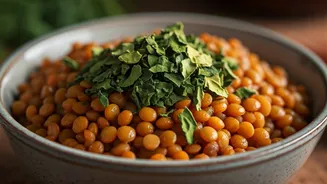
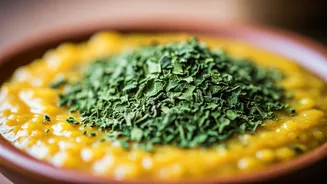
Many people hesitate to try new ingredients for fear of ruining a beloved dish. Rest assured, moringa won’t spoil your dal. The flavour of moringa leaves is often described as earthy and green, similar to spinach or matcha. When used in a small quantity, this taste is barely perceptible amidst the spices and flavour of the lentils. Moringa flakes will soften and blend in, adding a slight texture but nothing unpleasant. Moringa powder will dissolve more completely, perhaps lending your dal a slightly deeper green-brown hue. The change is subtle, and the nutritional payoff is well worth this minor adjustment to a familiar classic.