


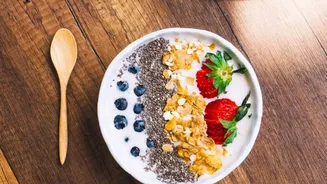

1. Chia Seeds: The Fibre Powerhouse
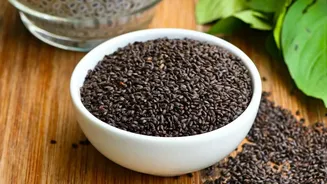
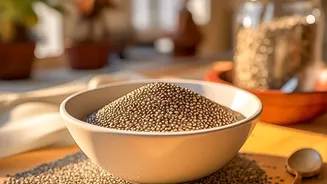
Tiny yet mighty, chia seeds are a fantastic addition to a diabetes-friendly diet. They are incredibly high in soluble fibre, which absorbs water to form a gel-like substance in your stomach. This process slows down digestion and the release of glucose
into the bloodstream, helping to prevent sharp blood sugar spikes after your meal. A two-tablespoon serving packs about 10 grams of fibre. Chia seeds are also rich in omega-3 fatty acids, protein, and magnesium, all of which support heart health and improve insulin sensitivity. Their ability to keep you feeling full can also aid in weight management, a key component of controlling type 2 diabetes. Easily add them to curd, oatmeal, smoothies, or make a simple overnight chia pudding.
2. Flax Seeds: For Better Blood Sugar Control
Flax seeds, known as 'Alsi' in India, are praised for their significant health benefits, particularly in blood sugar regulation. They have a very low glycemic index, meaning they have a minimal impact on blood glucose levels. This is largely thanks to their high content of soluble fibre and compounds called lignans. Research suggests that regular consumption of flax seeds can improve insulin sensitivity and lower fasting blood sugar levels. For the best nutritional benefit, it's recommended to consume flax seeds in their ground form, as the whole seeds can be difficult for the body to digest. Sprinkle ground flaxseed into your roti dough, blend it into smoothies, or mix it into your morning porridge for an easy nutritional upgrade.
3. Pumpkin Seeds: The Magnesium Boost
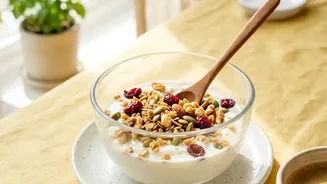
Pumpkin seeds, or pepitas, offer a satisfying crunch and are packed with nutrients vital for diabetes management. They are one of the best natural sources of magnesium, a mineral that plays a crucial role in the body's use of insulin and glucose control. Many people with type 2 diabetes have low magnesium levels, making pumpkin seeds a valuable dietary addition. These seeds are also a good source of healthy fats, protein, and zinc, which supports overall metabolic health. With a low glycemic index, they make for a safe and filling snack or breakfast topping that won't cause unwanted blood sugar fluctuations. Enjoy a handful raw or roasted, or sprinkle them over yogurt or avocado toast.
4. Sunflower Seeds: Rich in Healthy Fats and Vitamin E
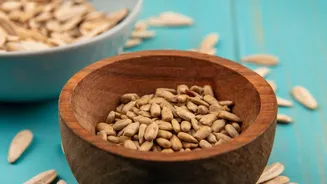
Often enjoyed as a simple snack, sunflower seeds are a low_carbohydrate option that fits well into a diabetes_friendly eating plan. They have a low glycemic index and are rich in healthy polyunsaturated fats, protein, and fibre, a combination that slows digestion and prevents blood sugar spikes. Sunflower seeds are also an excellent source of vitamin E, an antioxidant that helps reduce inflammation, which is often associated with diabetes. Studies have shown that regular intake may contribute to better fasting blood sugar levels. Add a spoonful of unsalted sunflower seeds to salads, smoothies, or cereals for added texture and nutrients without disrupting your glucose management.
5. Sesame Seeds: Small Seed, Big Benefits
Sesame seeds ('Til') are a staple in Indian cuisine and offer surprising benefits for blood sugar control. They are a great source of healthy fats, protein, and magnesium, which helps in regulating blood pressure and blood sugar. The low carbohydrate and high fibre content ensures a minimal impact on blood glucose levels. Some studies have indicated that compounds in sesame seeds may help improve insulin secretion and reduce insulin resistance. Whether you choose white or black sesame seeds, they can be easily toasted and sprinkled over upma, poha, or mixed into a trail mix for a nutty flavour and a dose of beneficial nutrients.