




The Search for Comfort in a Chaotic World
One of the primary drivers is a simple human need: comfort. In an era of constant digital overstimulation, climate anxiety, and economic uncertainty, the past can feel like a safe harbour. Research shows that nostalgia acts as a psychological resource,
improving moods and providing a sense of stability. For many young viewers, the 90s represent a 'simpler time', even if they never experienced it directly. Shows like 'Hum Paanch' and 'Shararat' offered light-hearted humour and straightforward narratives, a stark contrast to the often complex and gritty prestige dramas of today. This 'historical nostalgia' allows viewers to borrow a sense of peace from a time perceived as less chaotic and more human-centric.
Engineered by the Algorithm
This trend isn't entirely organic; it’s also smart business. Streaming giants like Netflix, Amazon Prime Video, and JioHotstar have recognised the value of their back catalogues. Acquiring and promoting classic shows is a cost-effective strategy to keep subscribers engaged. These platforms don't just host old content; their algorithms actively recommend it, tapping into what is known as 'nostalgia marketing'. By labelling content as 'classic' or creating 'throwback' collections, they frame these shows not as old, but as timeless. This strategy has proven highly effective, especially during uncertain times, as it associates brands with the positive emotions of the past.
A Bridge Between Generations
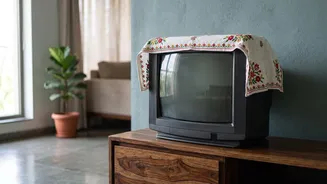
Watching classic shows has become a surprising way for generations to connect. For millennials, re-watching 'Hip Hip Hurray' or 'Campus' is a direct link to their own youth. For their younger Gen Z counterparts, it's an opportunity to understand the cultural touchstones that shaped their parents and older siblings. The characters and inside jokes from shows like 'Sarabhai vs Sarabhai' become a shared language within families. In a media landscape fragmented by niche interests, these shows offer a rare piece of common ground, something the entire family can watch and discuss together, much like they did in the era of single-television households.
The Relatability of 'Real' Stories
Many 90s Indian shows were celebrated for their focus on middle-class families and relatable, everyday problems. Series like 'Malgudi Days' and 'Dekh Bhai Dekh' presented a world that felt authentic and grounded. This focus on nuanced human experience stands in contrast to some of the high-concept, larger-than-life Indian web series produced today. While modern shows like 'Mirzapur' or 'Sacred Games' have massive followings, young viewers are also seeking stories that reflect a quieter, more familiar reality. The progressive values and strong female characters in many 90s serials also continue to resonate, feeling surprisingly fresh and relevant decades later.