

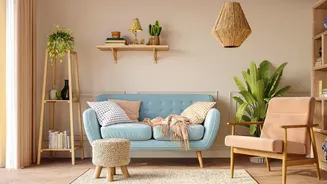
A Tale of Two Styles
At first glance, Scandinavian and Farmhouse aesthetics might seem like an odd couple. Scandinavian design is known for its minimalism, clean lines, and a light, airy palette rooted in the principle of 'hygge'—a Danish concept of cozy contentment. It's
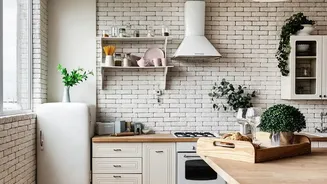
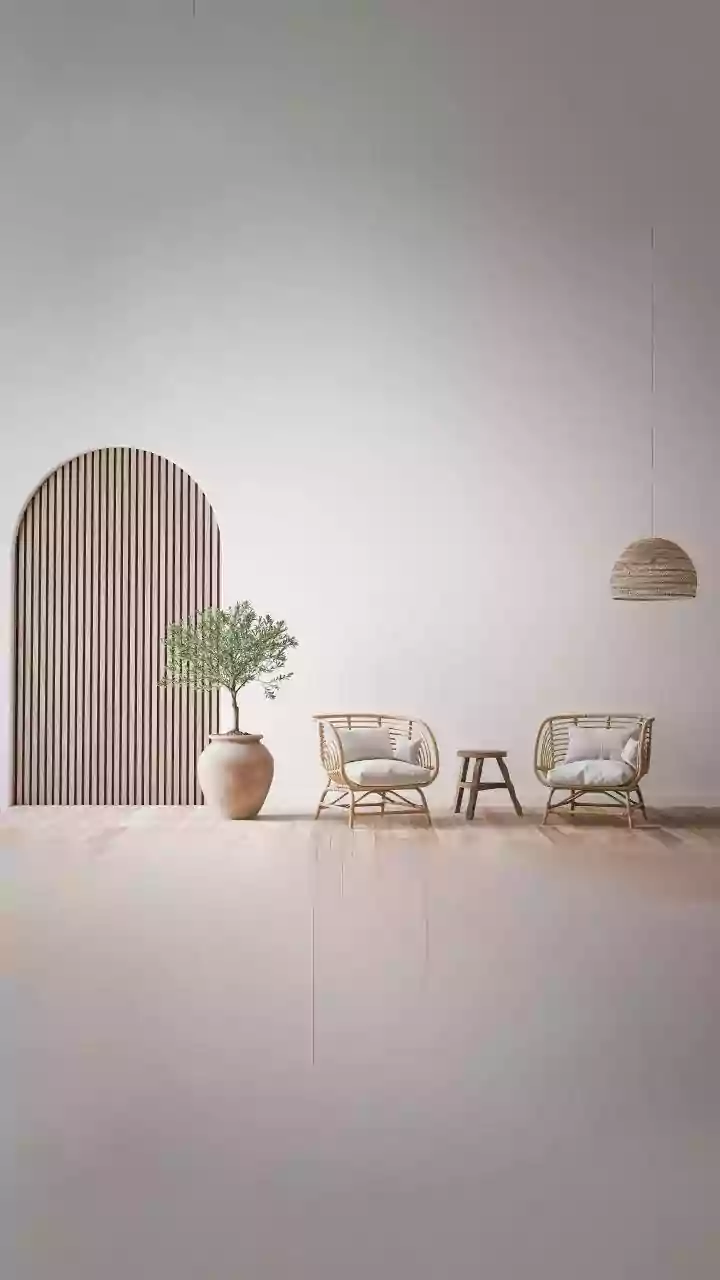
uncluttered and deeply connected to nature. On the other hand, traditional Farmhouse style evokes a sense of rustic nostalgia, characterized by vintage furniture, pastoral motifs, and a lived-in, welcoming atmosphere. It prioritizes comfort and durability over sleek perfection. The magic happens where they meet: Scandi-Farmhouse takes the minimalist, light-filled foundation of Nordic design and layers it with the warmth, texture, and practicality of a farmhouse setting. The result is a space that feels both modern and timeless, curated yet comfortable.
Natural Materials Take Center Stage
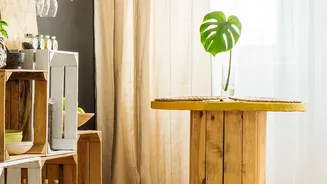
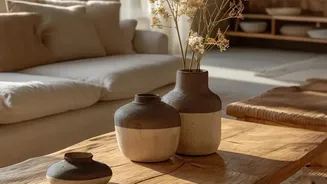
For years, interior design has flirted with natural materials, but the Scandi-Farmhouse trend makes them the main event. It isn’t just about adding a wooden side table; it's about celebrating the inherent beauty of the material itself. This style changes the case for natural elements by treating them not as accents, but as the structural and textural backbone of a room. Light-toned woods like ash, birch, and pale oak are used extensively in flooring, furniture, and even wall paneling, reflecting the Scandinavian love for bringing the outdoors in. These are paired with the honest, tactile qualities of stone, wool, linen, and cotton. A rough-hewn wooden beam might contrast with a soft linen sofa, while a cool marble countertop is warmed by the presence of hand-thrown pottery. This trend argues that the imperfections in these materials—the grain in the wood, the weave in the fabric—are what give a home its soul and character.
The New Logic of Practical Furniture
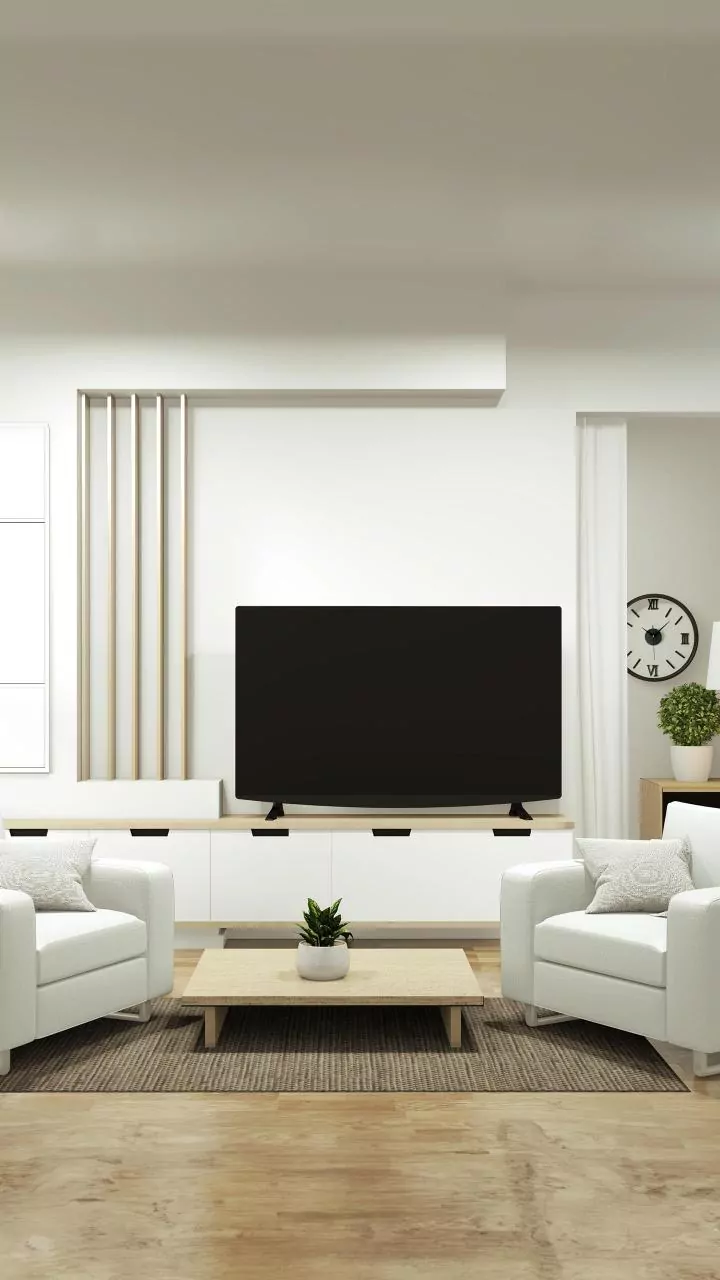
The Scandi-Farmhouse aesthetic fundamentally shifts our perception of furniture from disposable decor to lifelong investment. It champions pieces that are, above all, functional. This isn't the cold, hard-edged functionalism of industrial design, but a softer, more human-centric version where utility and beauty are inseparable. The trend makes a powerful case for choosing furniture that serves a real purpose and is built to last. Think of a sturdy wooden dining table designed to host generations of family meals, a comfortable armchair with durable upholstery perfect for reading, or a simple, well-crafted storage bench that keeps clutter at bay. In this style, furniture is not just for looking at. It's for living with. The practical nature of Farmhouse design—where every piece had a job—is refined by the Scandinavian principle of 'less is more,' resulting in a curated selection of high-quality items that are both hardworking and beautiful to behold.
Creating an Atmosphere of Calm
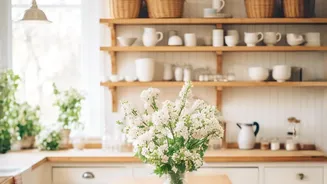
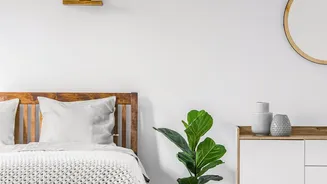
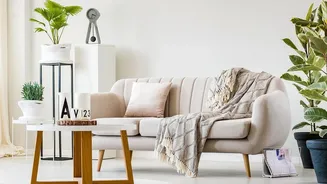
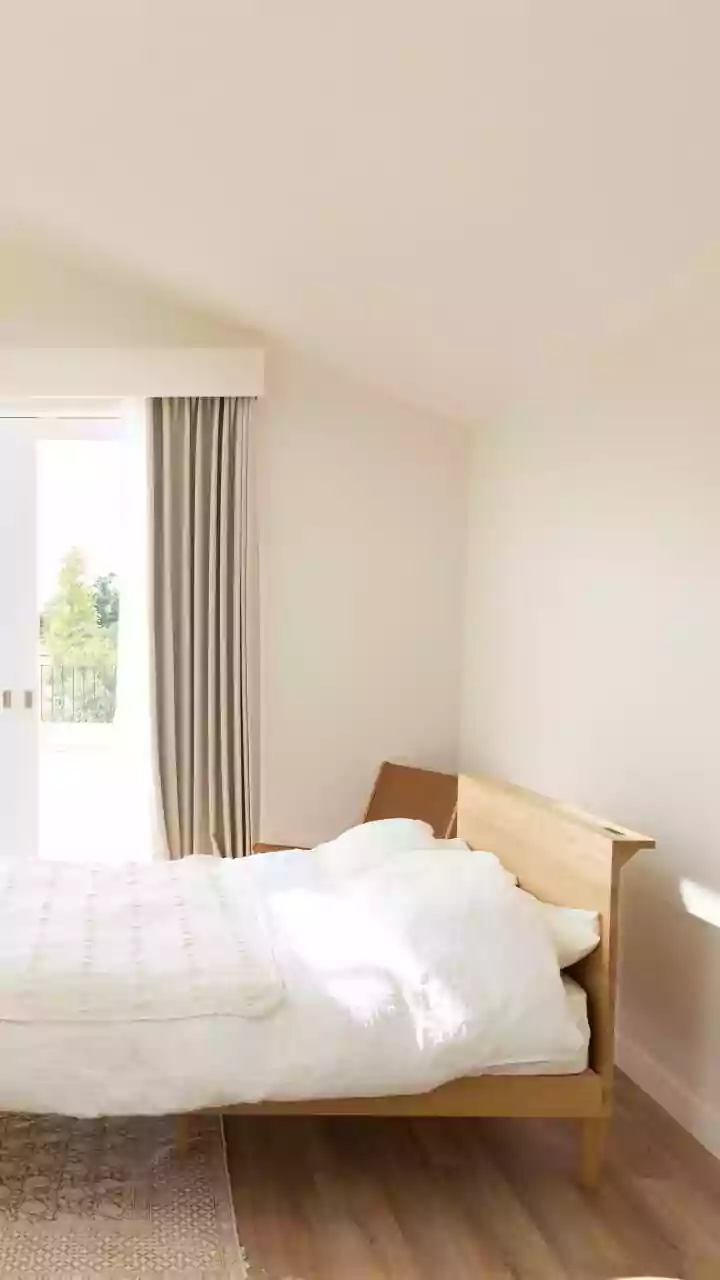
Ultimately, the appeal of Scandi-Farmhouse goes beyond aesthetics. It's about creating an environment that supports well-being. The neutral color palette—whites, creams, grays, and earthy tones—creates a serene and uncluttered backdrop that allows the mind to rest. The emphasis on natural light, a cornerstone of Scandinavian design, helps to boost mood and connect the home to the rhythms of the day. The blend of textures, from a chunky knit throw to a smooth ceramic vase, invites touch and adds a layer of sensory comfort. By deliberately choosing simple, well-made things and arranging them in a clean, organized way, the style helps to reduce the visual noise of modern life. It proves that a home doesn’t need to be filled with loud colors or ornate objects to be interesting; its power lies in its ability to be a calm, restorative retreat from the outside world.