



From Kitchen Scrap to Pantry Staple
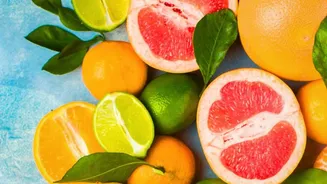
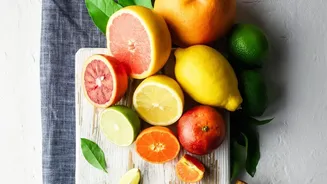
In the quest for a more sustainable kitchen, one of the easiest first steps is to reconsider what we throw away. Citrus peels are a prime example of a 'waste' product that is packed with potential. The rinds of oranges, lemons, and grapefruits are bursting
with essential oils and, most importantly for jam-making, pectin. Pectin is a naturally occurring starch that, when heated with sugar and acid, creates the gel-like consistency that defines jams and jellies. The bitter white part of the peel, known as the pith or albedo, is particularly rich in this substance. By using the entire peel, you not only reduce your household food waste but also get to create a preserve with a depth of flavour that is far more complex and interesting than many store-bought varieties. Making marmalade from rinds is an old tradition rooted in frugality and a deep respect for ingredients. Today, it’s a simple act of culinary alchemy that anyone can master.
What You Will Need
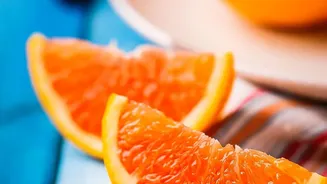
This recipe is wonderfully simple and relies on ingredients you likely already have. The key is the ratio. A good starting point for any citrus marmalade is a 1:1:1 ratio by weight of citrus peel, water, and sugar. For a small, manageable batch, you will need: Orange Peels: The rinds from 4-5 large oranges, preferably organic and unwaxed since you'll be eating the peel. You can use peels from juicing, or simply save them in the freezer until you have enough. Sugar: About 2 cups of regular granulated sugar. You don't need special jam sugar, as the peels provide plenty of natural pectin. Lemon Juice: The juice of one large lemon. This adds brightness and helps the pectin to set properly. Water: About 2 cups. * Equipment: A kitchen scale, a large saucepan, a sharp knife, a cutting board, and clean, sterilised glass jars with lids.
The Simple Marmalade Method
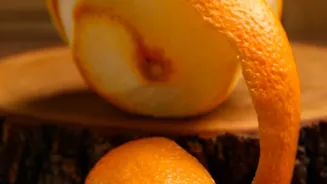
The process can be broken down into a few straightforward steps. Patience is key, especially when softening the peels. 1. Prepare the Peels: Using a sharp knife, slice the orange peels into thin strips. The thinner the strips, the more delicate the final texture of your marmalade. If you prefer a less bitter taste, you can boil the peels in fresh water for about 5 minutes and then discard the water before proceeding. This helps to remove some of the bitterness from the pith. 2. Soften the Peels: Place the sliced peels in a large saucepan and cover them with water. Bring to a boil, then reduce the heat and simmer gently for about 30-40 minutes, or until the peels are very soft and translucent. This step is crucial for a tender marmalade. 3. Combine and Cook: Once the peels are softened, do not drain the water. Add the sugar and lemon juice to the pot. Stir over medium heat until the sugar has completely dissolved. 4. Reach the Setting Point: Increase the heat and bring the mixture to a rolling boil. Cook, stirring frequently, for about 15-25 minutes. The marmalade is ready when it reaches the setting point. To test this, place a small plate in the freezer when you begin boiling. To check for a set, put a small spoonful of the mixture onto the cold plate, wait a minute, and then push it with your finger. If it wrinkles, it’s ready. If it’s still liquid, continue boiling and test again in a few minutes.
Storing Your Liquid Gold
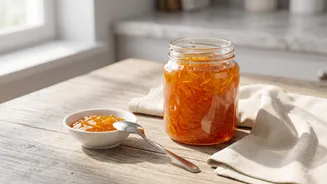
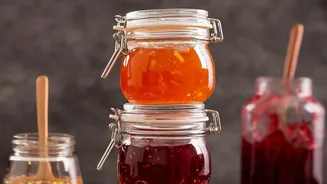
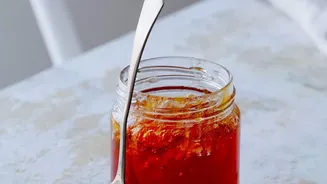
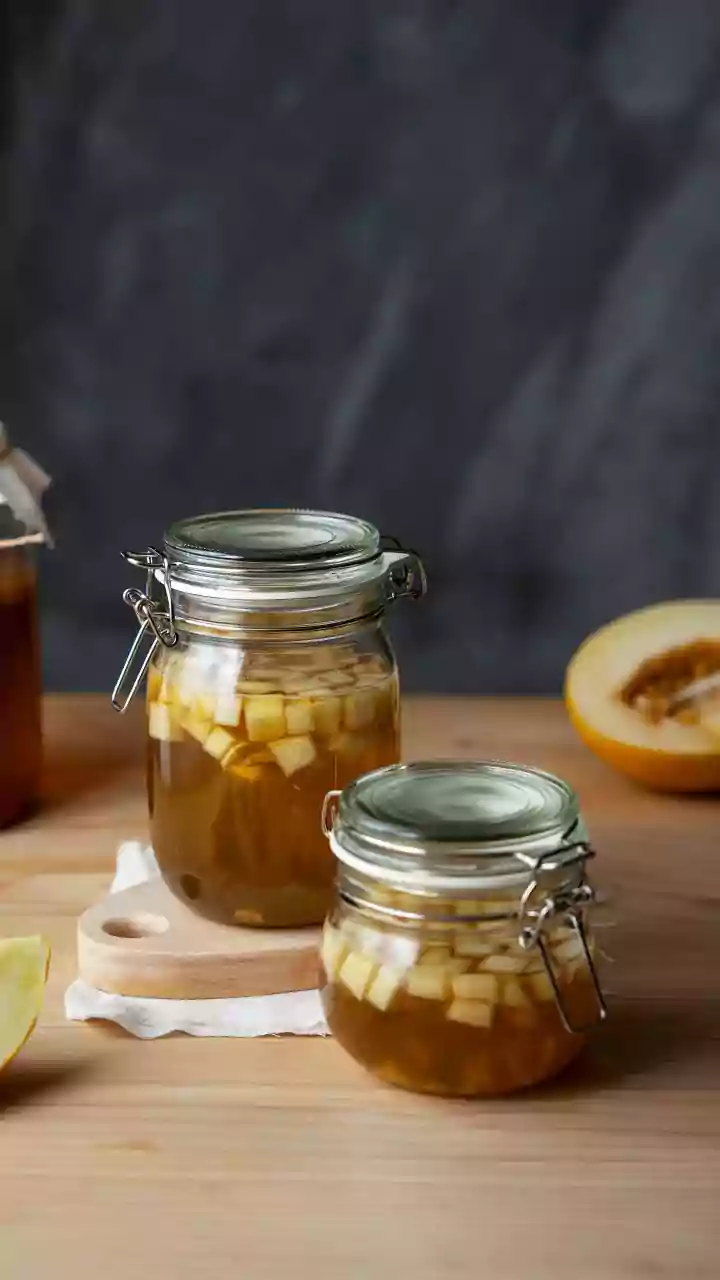
Properly storing your marmalade ensures it will last for months, allowing you to enjoy a taste of sunshine long after you've made it. The first step is to use sterilised jars. You can do this by washing jars and lids in hot, soapy water, rinsing them well, and then placing them in an oven at a low temperature (around 140°C) for about 10 minutes to dry completely. Carefully ladle the hot marmalade into the hot, sterile jars, leaving about a quarter-inch of headspace at the top. Wipe any drips from the rims with a clean cloth, and then screw the lids on tightly. As the marmalade cools, you should hear a 'pop' from each lid, which indicates that a vacuum seal has formed. Label your jars with the date and store them in a cool, dark place like a pantry. An unopened jar of full-sugar marmalade will keep for at least a year. Once opened, store it in the refrigerator and consume within a few weeks.