





What is Slow Travel, Really?
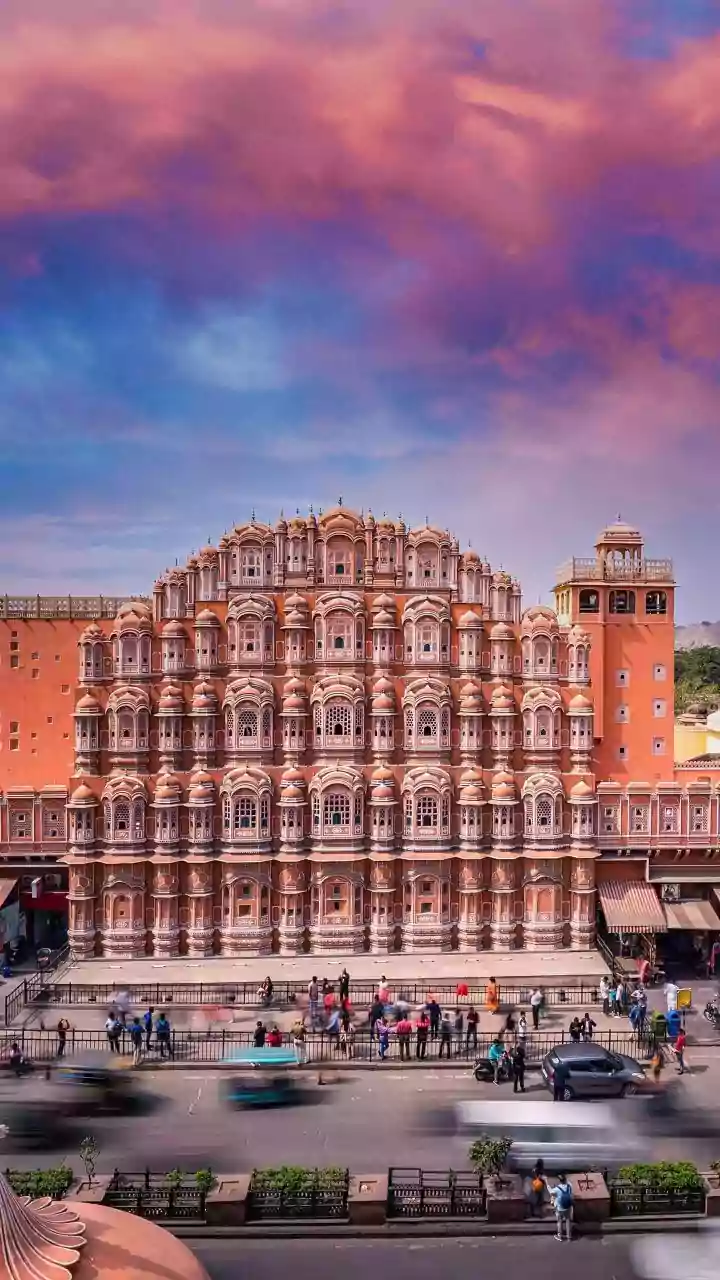
Slow travel isn't just about moving at a relaxed pace; it's a mindset shift. [23] For decades, Indian tourism often meant rushing between monuments and packing itineraries to 'cover' as much ground as possible. [14] Slow travel is the antidote to this
“checklist tourism.” [7] It encourages travellers to break free from a destination-driven mentality and instead immerse themselves deeply in the essence of one place. [3] This means staying longer in a single location, choosing quality over quantity, and focusing on meaningful connections with local culture, food, and people. [2, 7] It's the difference between seeing a city from a tour bus window and spending an afternoon learning a local craft, shopping at a neighbourhood market, or simply lingering over a cup of chai at a family-run stall. [5, 23]
A Post-Pandemic Shift in Priorities
The pandemic acted as a major catalyst for this trend. After months of lockdowns and the rise of remote work, many Indians began to re-evaluate what they wanted from their time off. [7, 26] The frantic pace of modern life, coupled with high rates of workplace burnout, has left travellers craving genuine rest and rejuvenation. [16] A 2026 travel outlook report found that relaxation was the main reason for travelling for 67% of Indian respondents. [15] This has led to a structural shift away from crowded tourist hubs and toward quieter, more meaningful escapes. [14, 16] The desire for authenticity over Instagram hotspots, a connection with nature, and safer, more controlled environments has made slow, experiential journeys more appealing than ever. [7, 28] The experiential travel market in India, which includes these immersive journeys, is projected to reach USD 45 billion by 2027, driven largely by younger travellers. [10, 11]
More Than a Vacation, It's a Connection
The core appeal of slow travel lies in its promise of genuine connection. By staying put, travellers can move beyond superficial interactions and participate in the daily rhythm of a place. [3] This could mean taking a cooking class in Chettinad, trying your hand at block-printing in Rajasthan, or simply having unhurried conversations with your homestay host. [23] This approach fosters a mutual respect between visitors and locals, breaking down cultural barriers. [3] It also has a significant positive impact on local economies, as money is spent at family-run eateries, independent businesses, and local artisans rather than large corporate chains. [9, 20] Ultimately, it transforms travel from a passive act of observation into an active, enriching experience where the best souvenirs are memories and newfound perspectives. [9]
Where India Is Slowing Down
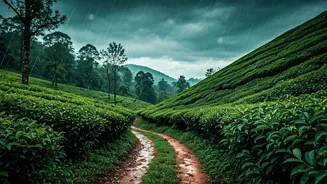
India’s incredible diversity makes it perfectly suited for slow travel. [7] The serene backwaters of Kerala, where you can drift for days on a houseboat, are a prime example. [25] In the Himalayas, destinations like Tirthan Valley, Spiti, and towns such as Dharamshala and Rishikesh are seeing a surge in interest from those looking to escape urban noise. [8, 24] The tranquil beaches of Gokarna in Karnataka offer a calmer alternative to Goa's busier stretches. [4] Other popular choices include the French-influenced lanes of Pondicherry, the unique river island of Majuli in Assam, the coffee estates of Coorg, and the heritage-rich mansions of Chettinad in Tamil Nadu. [4, 8, 12] The key is to pick one region and explore it deeply, rather than hopping between several. [8]
How to Embrace the Slow Travel Mindset
Adopting a slow travel approach requires a conscious decision to do less, but experience more. [5] Start by planning longer stays in fewer places. [6] Instead of a rigid, hour-by-hour itinerary, leave room for spontaneity and unexpected discoveries. [3] Opt for homestays or farm stays to get a closer look at local life. [7] Use more sustainable modes of transport like trains, buses, or even bicycles to reduce your carbon footprint and see the landscape unfold. [6] Prioritise local experiences; eat at neighbourhood restaurants, shop at markets, and consider a workshop to learn a new skill. [23] The goal is to let go of the fear of missing out (FOMO) and embrace the joy of being present. [5]