





First, What Are Micro-Fulfillment Centres?
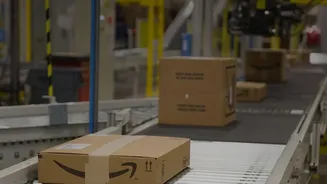
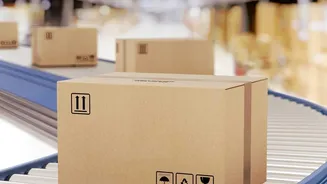
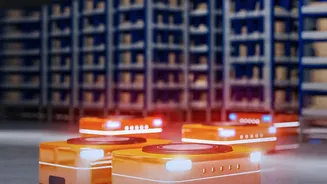
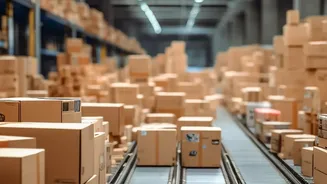
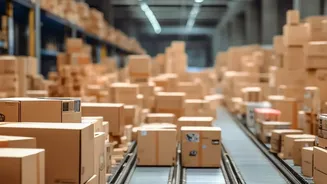
Imagine a small, hyper-efficient warehouse, often no bigger than a couple of thousand square feet, tucked away inside a city. This is a micro-fulfillment centre, or MFC. Unlike massive warehouses located on the outskirts, MFCs are strategically placed
close to residential areas. Their goal is simple: to store a curated selection of high-demand products and get them to customers' doorsteps as quickly as possible—often within hours or even minutes. Think of them as the engine room for the quick commerce and same-day delivery promises that are becoming standard.
The E-commerce Boom Beyond Metros
For years, India's e-commerce story was dominated by metros like Mumbai, Delhi, and Bengaluru. That narrative has changed. Today, the most significant growth is happening in Tier 2 and Tier 3 cities such as Lucknow, Coimbatore, Jaipur, and Indore. These regions now account for roughly 60% of all online orders in India. This surge is fueled by rising disposable incomes, deeper internet penetration, and the widespread adoption of digital payments. Consumers in these cities are no longer just occasional shoppers; they are buying everything from groceries to electronics online with the same urgency as their metro counterparts, creating massive demand that can no longer be efficiently served from distant, traditional warehouses.
The Unstoppable Rise of Quick Commerce
The demand for speed is a key driver. Quick commerce—the business of delivering goods in 10-30 minutes—is rapidly expanding. India's quick commerce market was valued at over USD 3 billion in 2024 and is projected to grow exponentially. While initially concentrated in metros, these services are now expanding into Tier 2 cities. To make 10-minute delivery a reality, companies must have inventory positioned hyper-locally. This makes MFCs not just an option, but a necessity. By setting up these small hubs in regional centres, companies can meet the growing expectation for instant gratification that now defines the modern consumer experience.
The Smart Economics of Tier 2 Cities
Beyond customer demand, the move to regional centres is a savvy financial decision. Real estate and operational costs in metros have surged. Warehousing rentals in major hubs have climbed significantly, and urban congestion creates costly last-mile delivery delays. In contrast, land and labour costs in Tier 2 cities can be 30-60% lower. This cost arbitrage allows logistics companies to build a wider, more distributed network without the prohibitive expense of a metro-only footprint. It's a classic case of following the demand while also optimising the bottom line.
Tapping a Fresh and Stable Talent Pool
Scaling up MFCs requires people—from warehouse staff and inventory managers to delivery personnel. Tier 2 cities offer a large, educated, and often more stable talent pool. Companies are finding it easier to attract and retain employees in these regions compared to the highly competitive metro job markets. This creates a win-win situation: logistics firms gain access to a reliable workforce, while local economies benefit from the creation of new formal-sector jobs. Each new fulfillment centre can create hundreds of direct and indirect employment opportunities, boosting local prosperity.