


The Masterstroke of Manav Suthar's Selection
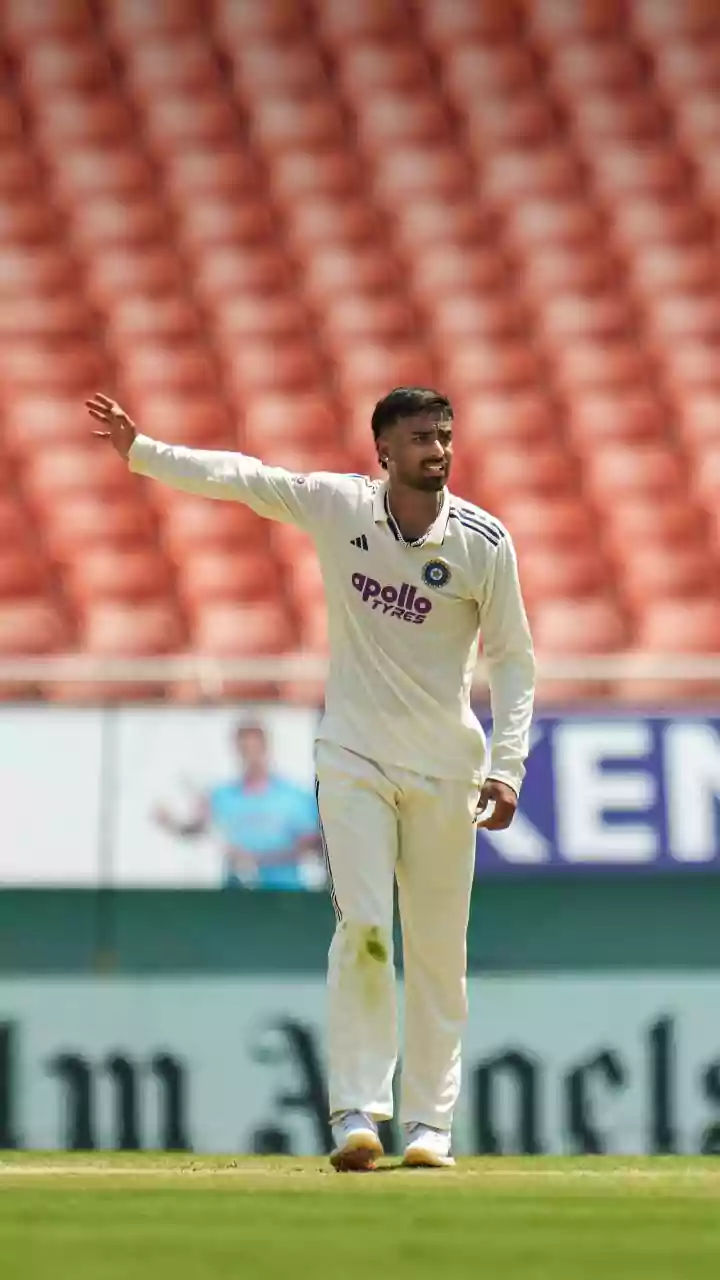
The decision to play left-arm spinner Manav Suthar was the cornerstone of India's victory. On a Galle pitch known for assisting spinners, trusting a relative newcomer to lead the attack was a calculated risk, but one that paid enormous dividends. The team
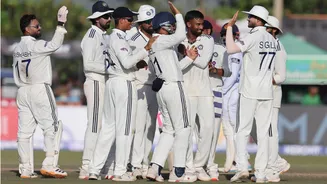
management showed great foresight in reading the conditions and backing Suthar's ability to generate significant turn. He repaid that faith by taking a ten-wicket haul for the match, with four wickets in the first innings and a decisive six in the second. His performance was crucial in bowling Sri Lanka out for 284 in the first innings after India had posted a formidable 462. In the final innings, with Sri Lanka chasing a stiff target of 372, it was Suthar who broke the back of their resistance, wrapping up the tail to secure the comprehensive win. This was a classic case of picking the right weapon for the battle and being rewarded handsomely.
An Aggressive Second-Innings Declaration
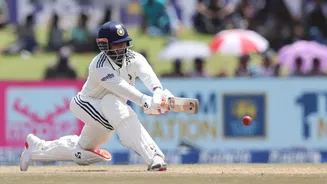
With a commanding first-innings lead of 178, the temptation could have been to bat Sri Lanka completely out of the game. However, with rain threatening to play a part, India adopted a strategy of calculated aggression in their second innings. The plan was to score quick runs to set a challenging target while leaving enough time for the bowlers. Rishabh Pant was the main architect of this approach, top-scoring with a rapid 66. Captain Shubman Gill later confirmed this aggressive intent was a deliberate team process. Despite being bowled out for 193, India had successfully set a target of 372 runs, giving their bowlers ample time to attack. This proactive mindset, driven by the weather forecast and a desire to force a result, was a key factor in the victory. It prevented a situation where India might have been left racing against the clock on the final day.
Proactive Captaincy and On-Field Tactics
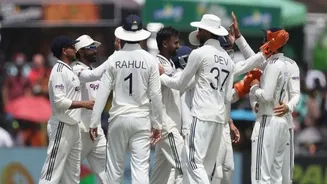
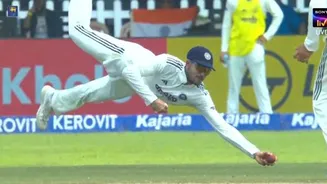
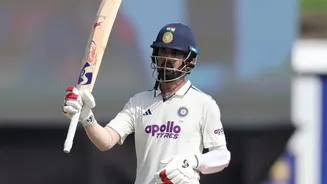
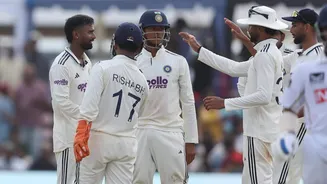
Shubman Gill's first Test as captain in Sri Lanka was marked by proactive and intelligent leadership. From the outset, the on-field tactics were aggressive. In Sri Lanka's second innings, the plan to hunt for wickets rather than simply contain runs was evident. Mohammed Siraj and Manav Suthar were used effectively to make early inroads, reducing the hosts to 21 for 3 at one stage. Even as a partnership developed between Dhananjaya de Silva and Sonal Dinusha, the Indian team remained patient and confident, knowing a single breakthrough would open the floodgates. Stand-in captain KL Rahul, leading in Gill's absence from the field on the final day, confirmed the team's focus was on getting wickets as quickly as possible. This relentless pressure, applied through smart bowling changes and aggressive field placements, ensured Sri Lanka were never able to truly settle and build momentum, ultimately crumbling under the weight of the chase.