



A New Class of Travel
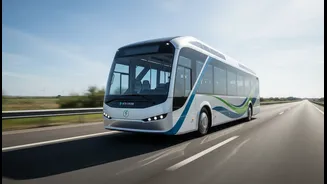
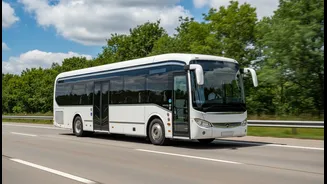
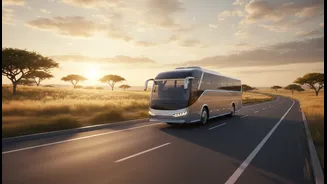
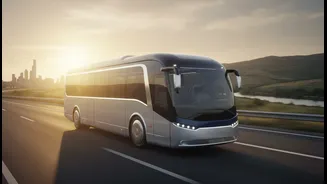
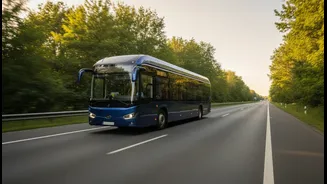
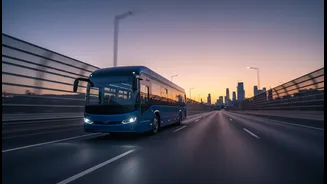
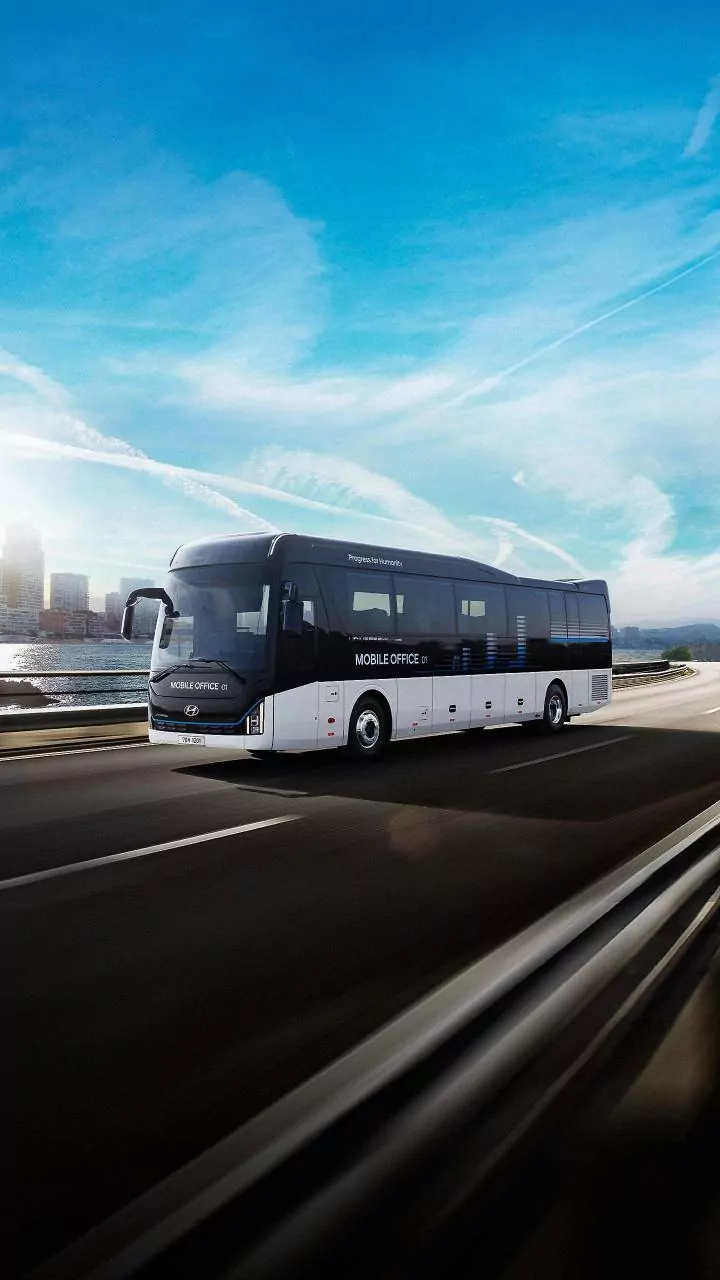
Imagine an intercity bus journey without the constant drone of a diesel engine. That’s the core promise of the new premium electric buses hitting Indian highways. Companies like NueGo, FreshBus, and zingbus are rolling out fleets of battery-powered coaches
on popular routes, aiming to redefine what passengers expect from bus travel. These aren't just your standard buses with a different engine; they are designed from the ground up to offer a superior experience. With zero tailpipe emissions, they are significantly better for the environment. But the immediate, tangible benefit for passengers is the profound silence. The near-silent operation of the electric motor eliminates the noise and vibration that contribute to travel fatigue, making for a much more relaxing journey.
The Premium Onboard Experience
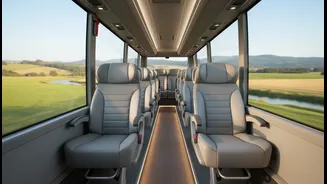
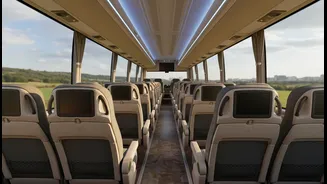
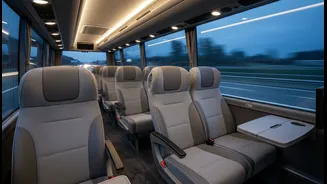
What truly sets these services apart is the focus on the “premium” passenger experience, akin to business class on a flight. Operators are investing in comfortable, reclining seats, spacious interiors, and amenities that were once unthinkable on a standard bus. Passengers can expect features like individual charging ports, on-board Wi-Fi, and sometimes even personal entertainment screens. Some companies, like NueGo, offer airport-like lounges in select cities, providing a clean and comfortable space to wait before departure. Safety is also a major selling point, with buses equipped with CCTV surveillance, real-time tracking, and well-trained staff, including female drivers in some cases, to make all travellers, especially women, feel more secure.
The Green and Quiet Revolution
The environmental benefits are substantial. Each electric bus replaces a diesel counterpart, leading to a direct reduction in air pollution and greenhouse gas emissions. A diesel bus emits significant amounts of harmful pollutants, including particulate matter (PM2.5) and nitrogen oxides, which are linked to respiratory illnesses and other health problems. Electric buses have zero tailpipe emissions, contributing to cleaner air in cities and along travel corridors. Furthermore, the reduction in noise pollution is a significant but often overlooked benefit. The constant roar of highway traffic contributes to environmental stress, and a shift to quieter electric vehicles can make a noticeable difference to communities along these routes.
Roadblocks on the Electric Highway
Despite the clear advantages, the road to a fully electric intercity bus network is not without its challenges. The primary hurdle is the high upfront cost of electric buses, which can be two to three times more expensive than their diesel equivalents. While operational costs are lower due to cheaper fuel (electricity) and reduced maintenance, the initial investment remains a significant barrier for many operators. The other major challenge is infrastructure. Intercity routes require a network of fast-charging stations along highways, which is currently sparse. Operators are having to build their own charging infrastructure, which adds to the cost and complexity of launching new routes. Finally, there's the issue of range anxiety; ensuring a bus can complete its journey, even with traffic delays and the need for air conditioning, requires careful planning and reliable battery performance.
Who is Driving the Change?
Several key players are pioneering this shift in India. GreenCell Mobility's NueGo brand has been aggressively expanding its network, now covering over 100 cities with routes like Delhi-Jaipur and Bengaluru-Chennai. FreshBus, founded by an industry veteran, has focused on a tech-forward, passenger-centric approach on routes in South India, such as Bengaluru-Tirupati and Hyderabad-Vijayawada. More recently, platform zingbus announced plans to deploy over 200 premium and electric buses, indicating growing momentum in the sector. These companies are betting that Indian travellers are willing to pay a slight premium for a significantly better, cleaner, and more reliable travel experience.