








A New Generation at Old-World Tables
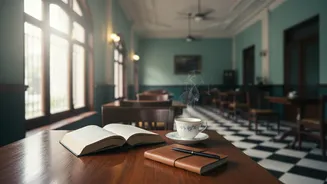
In the bustling lanes of a city that cherishes its past, a quiet revolution is taking place. The high-ceilinged halls of legendary establishments like the Indian Coffee House and the colonial-era charm of Flurys are no longer just for leisurely 'adda'
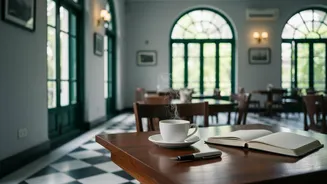
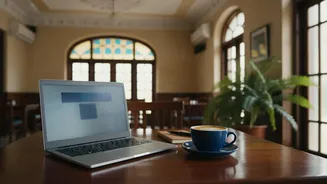
or touristy breakfasts. Today, they are dotted with the soft glow of laptop screens and the focused energy of young professionals. Graphic designers, writers, and coders are increasingly making these historic spaces their daily offices. This trend sees the city's burgeoning freelance workforce seeking more than just a desk and a power outlet; they are seeking inspiration in places steeped in stories. It's a striking contrast: the gig economy's fast-paced digital hustle unfolding within walls that have witnessed decades of unhurried conversations and intellectual debates.
The Allure of Atmosphere and Affordability
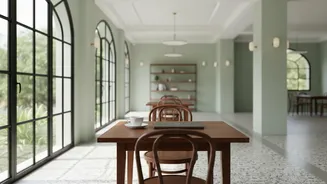
So, what is drawing this generation to these old-world haunts over modern, purpose-built co-working spaces? The primary pull is the atmosphere. There's a certain romance to working from a place like Roastery Coffee House, housed in a revamped old Calcutta bungalow, or The Red Bari, a 90-year-old mansion turned cafe. These spaces offer a texture and depth that a contemporary office cannot replicate. For many freelancers, escaping the isolation of working from home is crucial, and the gentle hum of a cafe provides the perfect background noise for productivity. Affordability is another key factor. While a dedicated co-working seat can be a significant monthly expense, spending a few hours at a heritage cafe with a couple of orders of coffee and snacks is far more economical. Places like the iconic Indian Coffee House are famously light on the wallet, making them accessible to students and young professionals alike.
More Than Just Free Wi-Fi
While modern amenities are a must, the relationship between a remote worker and a cafe goes beyond just connectivity. Kolkata’s cafe culture has evolved to embrace this new clientele, with many spots, both old and new, offering reliable Wi-Fi and accessible power outlets. However, freelancers know there's an unwritten code of conduct: order regularly, don't occupy a large table for hours during peak rush, and be mindful of other patrons. The appeal of heritage cafes often lies in their spaciousness and the unhurried service that defined a bygone era. Places like the Indian Coffee House, with its vast, cavernous hall, feel less transactional. The staff, accustomed to patrons lingering for hours in conversation, are often more accommodating of someone working quietly on a laptop, fostering an environment where work and relaxation can coexist peacefully.
An Unlikely but Perfect Symbiosis
This trend is proving to be a mutually beneficial arrangement. For the freelancers, it's a chance to work in an inspiring and cost-effective environment. For the cafes, it represents a new, steady stream of revenue, especially during quieter weekday hours. In a city where many old buildings are at risk of being demolished, this adaptive reuse of heritage properties into vibrant cafes offers a sustainable path forward. Establishments like The Bhawanipur House and Siuli, India's first post office cafe located inside the GPO building, are prime examples of how heritage can be preserved by integrating it into contemporary life. By welcoming this new generation of workers, these timeless Kolkata institutions are not just surviving; they are ensuring their relevance and legacy continue for years to come, blending the city's rich intellectual past with its dynamic digital future.