




The Ancient Art of the Ghani
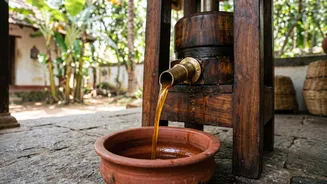
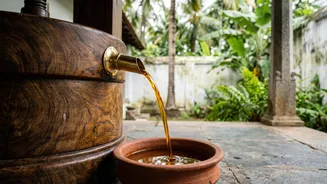
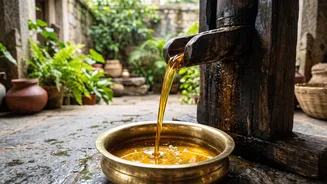
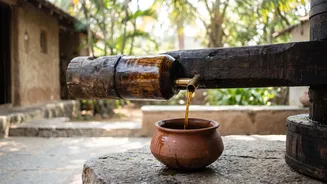
Long before industrial refining, oil was extracted using a simple, powerful technology: the 'ghani', also known as 'chekku' in Tamil. This device consists of a large wooden or stone mortar and a pestle that slowly rotates, crushing the sesame seeds through
sheer mechanical force. Traditionally powered by bullocks, modern ghanis often use slow-moving motors, but the principle remains the same. This process is slow and gentle, taking around an hour for a single batch. The key is the absence of high heat and chemical solvents, which are hallmarks of modern refining. This is what 'cold-pressing' truly means: a mechanical extraction that prioritises purity over speed and volume.
Why Temperature Is Everything
The magic of cold-pressing lies in its low temperature, typically kept below 50°C. The wooden press ('mara chekku') is a poor conductor of heat, which helps prevent the oil from getting too hot as the seeds are crushed. This is crucial because the valuable components in sesame oil are delicate. High heat, used in conventional refining to extract more oil faster, degrades these nutrients. The cold-pressing method ensures that the unrefined fatty acids—the good fats—remain in their natural state, along with other heat-sensitive vitamins and antioxidants.
A Profile of Heart-Healthy Fats
Sesame oil is celebrated for its excellent fatty acid profile. It is composed of roughly 82-85% unsaturated fats, with a near-equal balance of monounsaturated fats (oleic acid) and polyunsaturated fats (linoleic acid). These are the 'heart-healthy' fats. Scientific research has shown that diets rich in unsaturated fats can help lower 'bad' LDL cholesterol and triglycerides while supporting 'good' HDL cholesterol levels. Linoleic acid is an essential omega-6 fatty acid, meaning our bodies cannot produce it, and we must get it from our diet. By avoiding the destructive heat of refining, cold-pressing ensures these beneficial fatty acids are delivered intact.
Beyond Fats: The Antioxidant Powerhouse
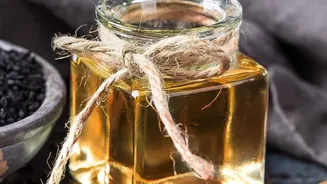
The benefits don't stop with fatty acids. Cold-pressed sesame oil is a rich source of natural antioxidants, particularly the lignans sesamin and sesamol. These powerful compounds are largely unique to sesame and play a vital role in protecting the oil itself from going rancid. More importantly, they help protect the body's cells from oxidative stress caused by free radicals, which is linked to chronic diseases. The refining process, which involves bleaching and deodorising, strips away most of these vital antioxidants. Cold-pressing, by its gentle nature, preserves this protective antioxidant system, along with other nutrients like Vitamin E.
A Touch of Tradition: The Role of Jaggery
In many parts of South India, a small amount of palm jaggery ('karupatti') or cane jaggery is added during the pressing process. This isn't to make the oil sweet. The jaggery acts as a binding agent, helping to condition the crushed seed mash and aiding in oil extraction. Traditionally, it is also valued for balancing the natural bitterness of the sesame seeds, resulting in a rounder, more aromatic final product with a deeper colour. Most of the sweetener remains in the solid oil cake, but its functional role is a unique part of the heritage of nalla ennai.