


The Lithium-Ion Cost Barrier
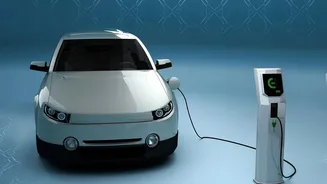
For years, the electric vehicle revolution has been powered by lithium-ion batteries. They offer good energy density, meaning they can store a lot of power in a relatively small and light package. However, this performance comes at a high price. The battery
pack alone can account for around 40% of an EV's total cost, making it the single most expensive component. The problem lies in the raw materials. Lithium and cobalt, key ingredients in many EV batteries, are scarce, geographically concentrated, and subject to volatile pricing. This dependence on imported materials not only drives up costs for Indian manufacturers but also creates supply chain vulnerabilities, hindering the nation's goal of mass EV adoption.
Enter Sodium: The Abundant Alternative
Sodium-ion (Na-ion) batteries work on a principle very similar to their lithium-ion cousins, but they swap out lithium for sodium as the charge carrier. The primary advantage is stark: sodium is one of the most abundant elements on Earth, readily available from common salt. Estimates suggest sodium is over 400 times more plentiful than lithium. This abundance means the raw materials are significantly cheaper and can be sourced domestically, aligning perfectly with 'Make in India' initiatives. Industry estimates suggest that as the supply chain matures, sodium-ion batteries could be priced 20% to 30% lower than the equivalent lithium-iron-phosphate (LFP) batteries, which are already a more affordable lithium variant.
A Perfect Fit for Two-Wheelers?
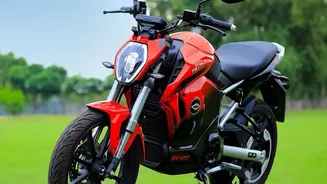
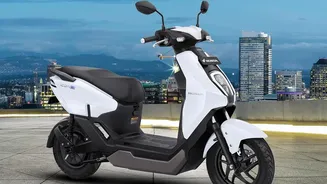
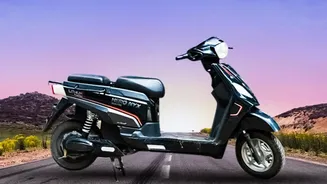
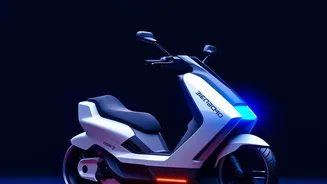
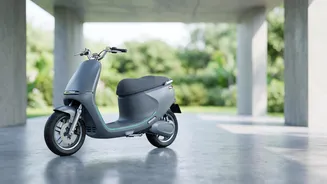
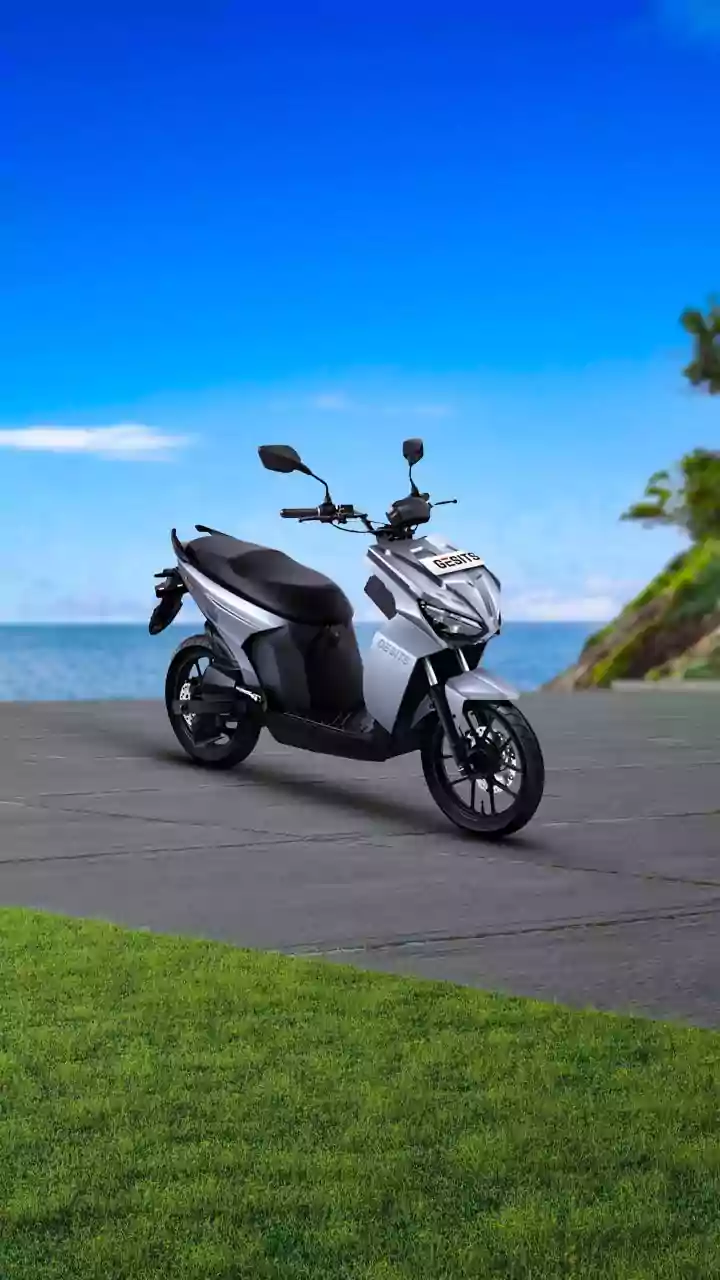
Sodium-ion batteries do have a trade-off: lower energy density. This means a sodium-ion battery of the same size and weight as a lithium-ion one will typically offer less range. While this might be a dealbreaker for long-range electric cars, it's a much more acceptable compromise for the two-wheeler segment. The average daily commute in an Indian city is well within the 50-80 km range offered by current Na-ion prototypes. For city-based scooters and motorcycles used for daily errands and office trips, a slightly lower maximum range is a small price to pay for a significant reduction in the vehicle's purchase price. Furthermore, sodium-ion technology offers compelling advantages like faster charging capabilities and superior performance in both extreme cold and high temperatures. They are also considered safer, with better thermal stability and a lower risk of fire than some lithium chemistries.
Indian Companies Leading the Charge
The potential of sodium-ion has not gone unnoticed in India. Several companies are making significant strides to commercialise this technology. Pune-based KPIT Technologies, in collaboration with IISER Pune, has developed its own Na-ion battery technology with an energy density of 100-170 Wh/Kg and a long cycle life. Another firm, Sodion Energy, launched what it calls India's first sodium-ion batteries, targeting EVs and other applications. Nashik-based manufacturer Jitendra New EV Tech plans to launch two-wheelers powered by homegrown sodium-ion batteries by early 2026. These efforts are crucial for building a domestic ecosystem, from raw material processing to final battery pack assembly, reducing reliance on China, which currently dominates battery manufacturing.
The Road Ahead: Challenges and Opportunities
Despite the promise, the path to mass adoption has hurdles. The primary challenge is scaling up production. While the fundamental manufacturing process is similar to lithium-ion, allowing for the adaptation of existing factory lines, a new upstream supply chain for battery-grade sodium materials and hard carbon anodes needs to be established. Currently, the technology is still in the early stages of commercialisation, and performance metrics like cycle life, while promising, are still being proven in real-world conditions over long periods. However, the opportunity is immense. By cracking the code on affordable, safe, and domestically produced batteries, India can accelerate its transition to electric mobility, lower transportation costs for the masses, and establish itself as a leader in a critical next-generation energy technology.