



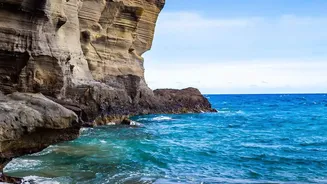

More Than a Beach: The Varkala Vibe
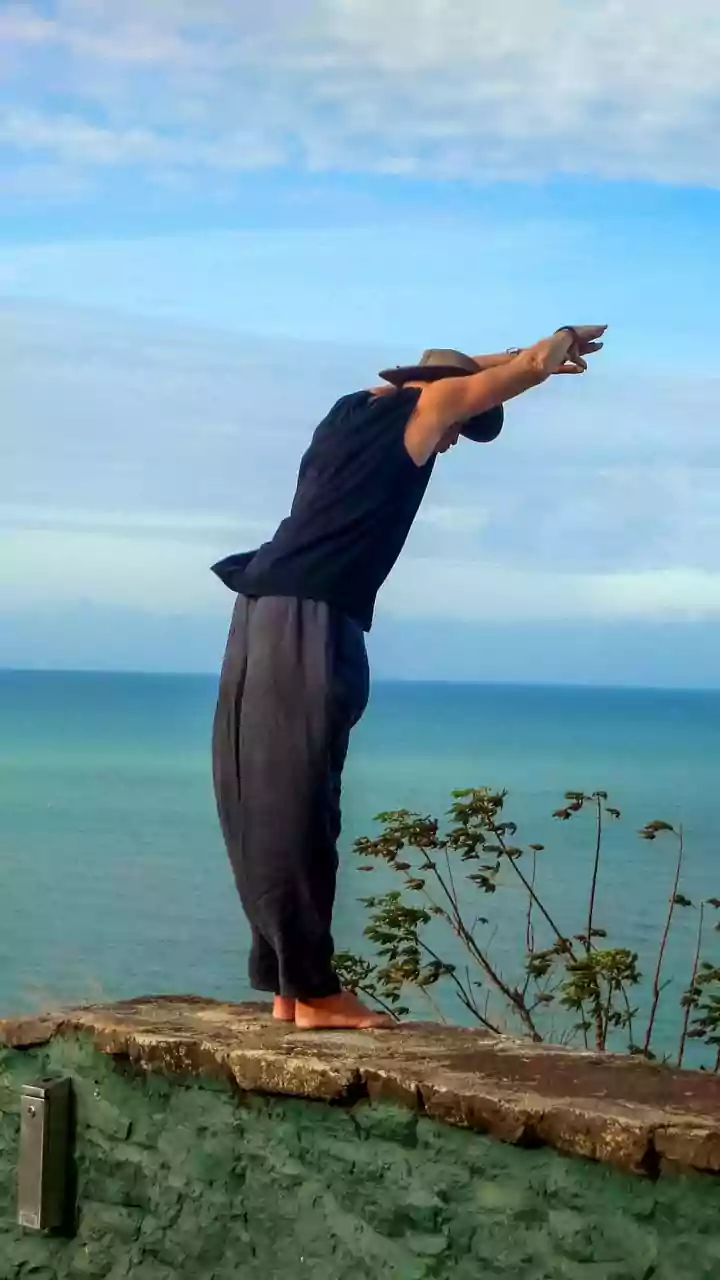
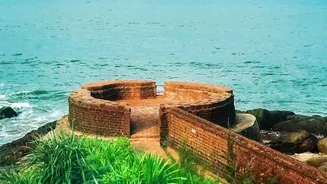
For decades, Goa has been the default destination for anyone seeking sun, sand, and a freewheeling lifestyle. But a quieter, more soulful alternative has emerged down south. Varkala, with its unique red laterite cliffs that drop dramatically to the sea,
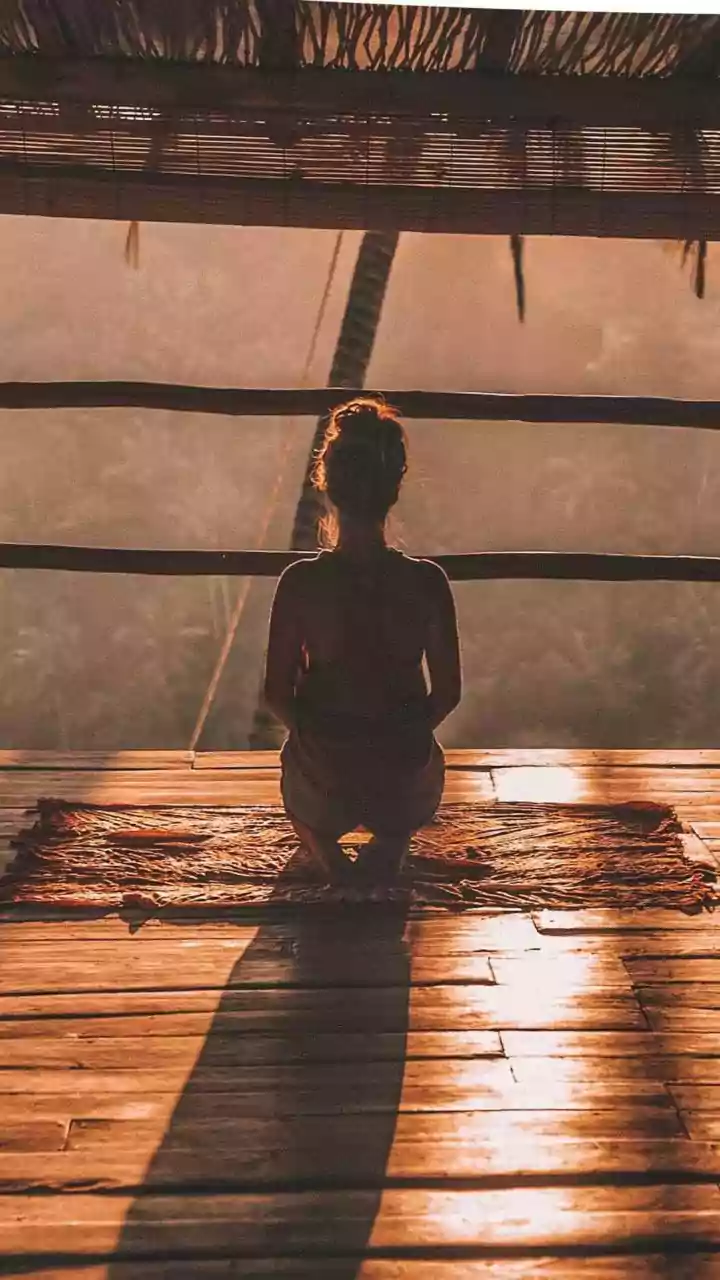
offers a distinct atmosphere. It blends a relaxed beach town feel with a wellness-focused, spiritual undertone. This environment has proven to be a powerful magnet for a specific type of remote worker: the creator. Writers, designers, developers, and artists are increasingly drawn to its slower pace, which fosters focus and creativity away from the frantic energy of major cities.
The Rise of the Creator-Focused Co-Living Space
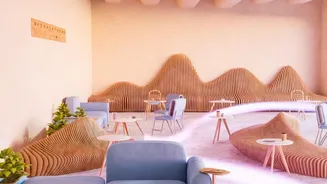
This new wave of visitors isn't just looking for a temporary holiday; they're looking for a temporary home. Enter the co-living space, reimagined for the creative class. These are not just hostels with Wi-Fi. Properties like Zostel, Roameo, and Verve Stays are specifically catering to digital nomads with dedicated work areas, reliable internet, and a built-in community. The model is simple: provide the necessary infrastructure for productivity—stable internet, power backup, quiet zones—while also curating a social environment where like-minded people can connect, collaborate, and find inspiration. Many spaces offer communal kitchens, yoga decks, and skill-sharing workshops, transforming a simple stay into a holistic living experience.
Decoding 'Budget Rates'
The most significant draw for many is Varkala’s affordability. Compared to the high rental and living costs in cities like Bengaluru or Mumbai, Varkala presents a compelling financial argument. A private room in a co-living space or guesthouse can be secured for a month for approximately ₹25,000 to ₹45,000, while a dorm bed can be as low as ₹15,000. Some hostels offer nightly rates as low as $4, making even short-term stays incredibly accessible. When factoring in food and local transport, a comfortable lifestyle can be maintained for a fraction of the cost of a metropolitan existence, with some estimates putting a total monthly spend between ₹35,000 and ₹60,000.
Productivity and Practicalities
The million-dollar question for any remote professional is: can I actually work there? The answer is a qualified yes. While Varkala's internet infrastructure can't compete with a metro city's fibre-optic speeds, it is more than sufficient for most tasks. Most co-living spaces and cafés offer Wi-Fi speeds between 10-50 Mbps, suitable for video calls and daily work. The savvy nomad's strategy is to have a backup. A local 4G or 5G SIM card from a provider like Jio or Airtel provides a reliable secondary connection for any unexpected outages. Beyond connectivity, the lifestyle itself promotes a healthier work-life balance, with opportunities for morning surf sessions, evening yoga, or simply watching the sunset from the cliffside after logging off.
A Community of Collaboration
Perhaps the most underrated asset of Varkala's remote work scene is the community. Unlike the anonymous hustle of a big city, the town's smaller, more intimate scale fosters genuine connections. The cliffside cafes and hostel common areas become informal networking hubs where a graphic designer might share tips with a filmmaker, or a writer could brainstorm ideas with a startup founder. This collaborative spirit is a key reason why many creators choose Varkala. It's a place to not only work on existing projects in peace but also to find new inspiration and partners for future ventures, all set against the stunning backdrop of the Kerala coast.