





The New Era of Conscious Snacking
For generations, snacking in India was a straightforward affair, dominated by a delicious but narrow range of savoury, often fried, options. However, a quiet revolution is reshaping the nation's eating habits. The Indian healthy snacks market is experiencing
rapid growth, projected to expand significantly in the coming years. This isn't just a niche trend; it's a mainstream movement driven by a new generation of consumers who are more health-conscious, well-informed, and time-pressed than ever before. Urbanisation, rising disposable incomes, and a greater awareness of lifestyle-related health issues are pushing Indians to seek out snacks that offer both convenience and nutritional benefits. They are scrutinizing labels for ingredients and nutritional content, creating a surge in demand for products that are natural, high in protein, and low in calories.
Makhana's Modern Makeover
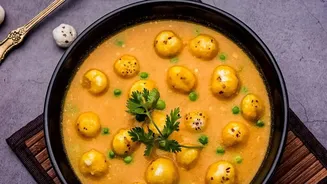
Perhaps no single product tells this story better than makhana, or fox nuts. Traditionally a humble food, often consumed during religious fasts, makhana has been spectacularly rebranded as a modern superfood. Today, it is a frontrunner in the healthy snack category, with some surveys indicating it as a top choice for health-conscious consumers. Its appeal lies in its impressive nutritional profile: it's gluten-free, low in calories, and rich in protein and essential minerals. Capitalizing on this, brands have transformed it from a simple puffed nut into a convenient, ready-to-eat snack available in a dizzying array of flavours, from peri-peri to pudina. This evolution from traditional staple to premium, packaged good highlights a key aspect of the new Indian snacker: a desire to reconnect with indigenous ingredients, but in a format that fits a modern, on-the-go lifestyle.
The Appeal of Greek Yogurt
On the other side of this trend is Greek yogurt, a global wellness staple that has found fertile ground in India. Its rise is emblematic of the Indian consumer's growing appetite for international health trends. Unlike traditional dahi, Greek yogurt is strained to remove most of the whey, resulting in a thicker, creamier product that is significantly higher in protein. This high-protein content makes it particularly appealing to the fitness-conscious demographic in urban centres. Brands have successfully positioned it as a versatile, functional food—a quick breakfast, a post-workout snack, or a healthy dessert alternative. The market has seen rapid growth, with both international and domestic players launching varieties that cater to the Indian palate, including traditional fruit flavours like mango alongside global favourites. The expansion of cold-chain logistics and quick-commerce platforms has been crucial, making these refrigerated products easily accessible to urban households.
Why the Big Shift?
The parallel rise of a modernised traditional food like makhana and an adopted global one like Greek yogurt points to a deeper shift in consumer identity. The drivers are multi-faceted. A greater awareness of health and wellness, significantly accelerated since the pandemic, is a primary factor. Indian consumers are actively seeking functional foods that provide benefits like better immunity and energy. Secondly, rising disposable incomes mean more people can afford to pay a premium for products they perceive as healthier or of higher quality. Finally, the hectic pace of urban life has put a premium on convenience. People need snacks that fit into busy schedules without compromising on their health goals. This new Indian consumer is navigating a complex world, making choices that reflect both a connection to their roots and an engagement with global culture.