
Embrace Natural Woven Fibers
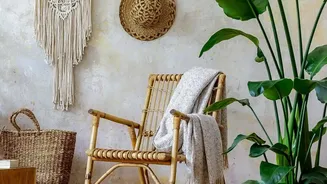
One of the quickest ways to introduce earthy texture is with woven natural fibers. Materials like jute, rattan, seagrass, and wicker add an organic, handcrafted feel that instantly warms up a room. Think beyond just a classic jute rug; consider rattan furniture,
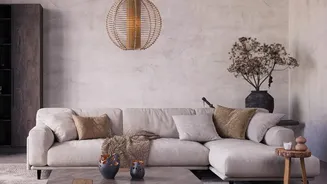
seagrass storage baskets, or woven pendant light shades. These pieces bring in natural, varied surfaces that catch the light in interesting ways, preventing a space from feeling one-dimensional. They work beautifully in neutral, minimalist, or coastal-inspired interiors, providing visual interest without overwhelming the senses. A few woven baskets for blankets or a single wicker chair can be enough to soften the hard lines of modern furniture and create a more approachable atmosphere.
Incorporate Plush, Tactile Upholstery
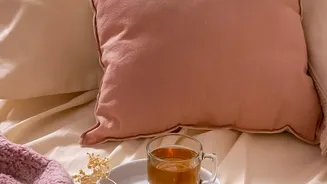
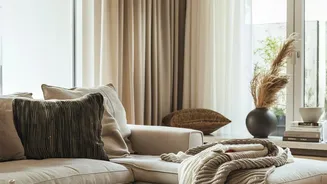
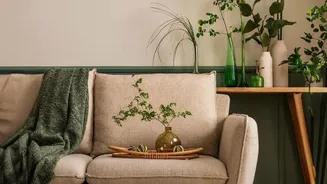
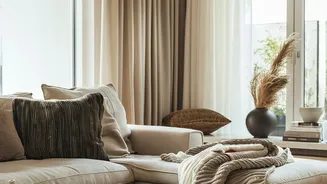
Soft, touchable fabrics are essential for a cozy interior. Trends like bouclé and sherpa have become popular for a reason—their nubbly, looped textures are incredibly inviting. A bouclé accent chair or a sherpa throw blanket can serve as a soft counterpoint to sleek wood or metal elements in a room. Velvet is another fantastic choice, offering a sense of luxury and depth with its dense pile and rich color saturation. The key is to create contrast. Pair a smooth leather sofa with a chunky knit throw or velvet cushions to make each texture stand out. This layering of different textiles on your main furniture pieces is what builds that sense of plush comfort and visual richness.
Add Dimension with Textured Walls
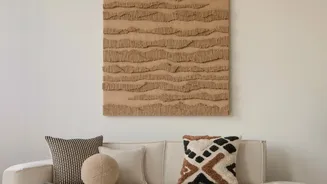
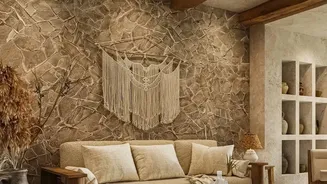
Don't let your walls be an afterthought. Moving beyond a simple flat paint can add immense character to a room. Limewash is a popular choice, offering a soft, matte finish with subtle tonal variations that create a cloud-like, organic feel. This centuries-old technique works beautifully on both smooth and already textured walls, like those with an orange peel or knockdown finish, softening the overall look. Another option is grasscloth or other fabric-based wallpapers, which introduce a woven texture that adds warmth and sophistication. Even a simple 3D wall panel can create shadow and depth. A textured wall provides a rich, dynamic backdrop that makes all the other elements in your room feel more grounded and intentional.
Layer Rugs for Underfoot Comfort
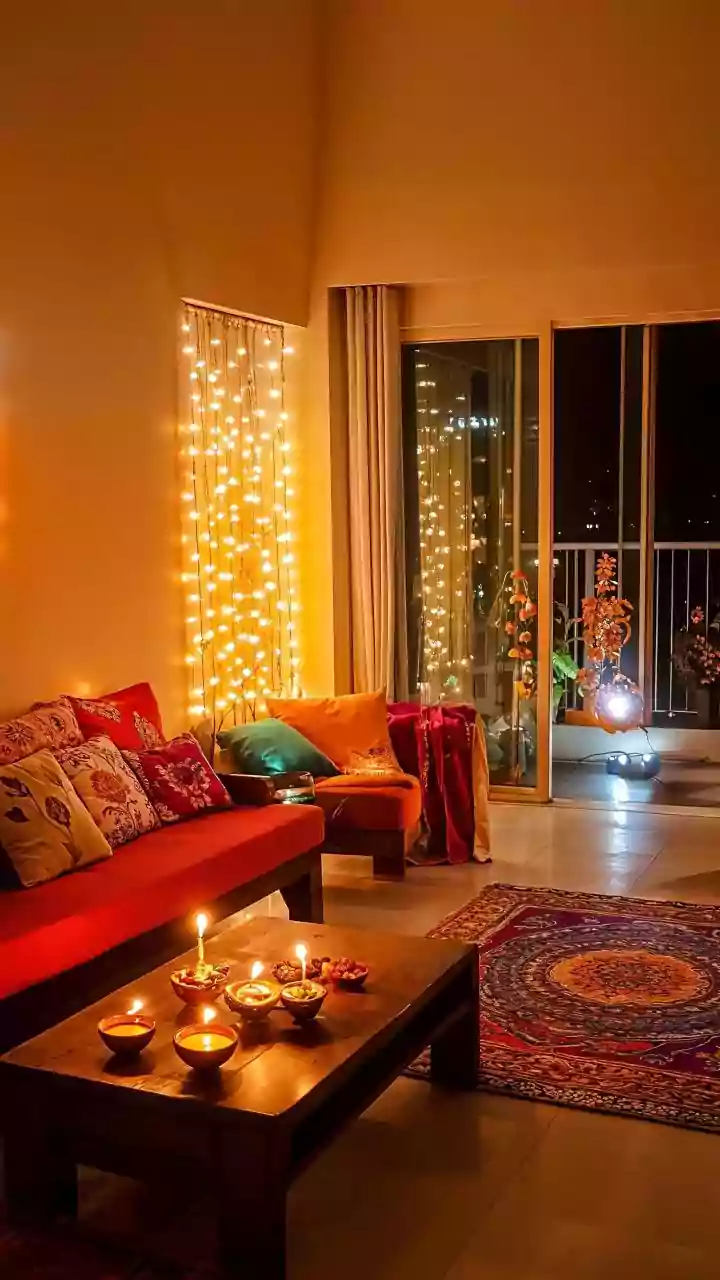
Floors offer a large canvas for adding texture. A thick, plush area rug can anchor a living space, absorb sound, and provide immediate underfoot comfort. Natural fiber rugs made of jute or sisal are excellent for grounding a room with an earthy, rustic feel. For an even more layered and curated look, try placing a smaller, softer rug on top of a larger, flat-woven one. For instance, a vintage patterned rug over a large jute base adds both color and a new layer of texture. This technique works well to define specific zones, such as a seating area within a larger open-plan space. Make sure the base rug is large enough to sit under the front legs of your furniture to create a cohesive look.
Use Stone and Handmade Ceramics
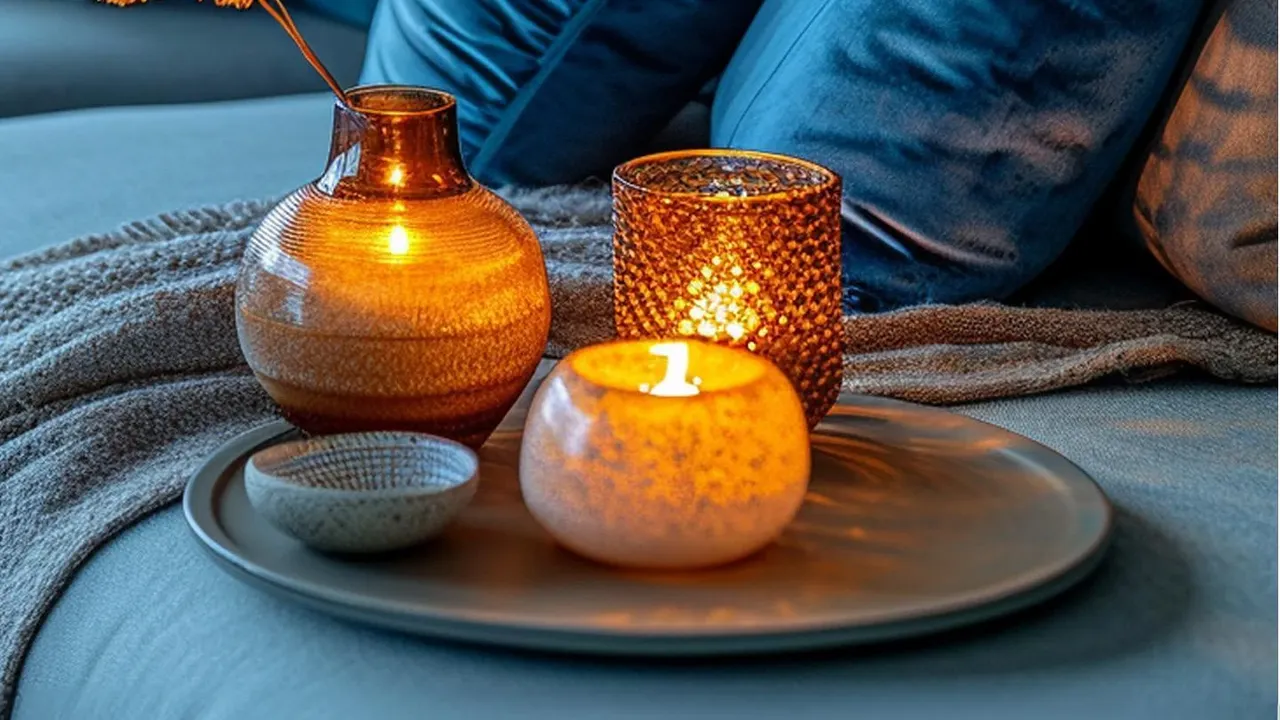
Hard materials provide a necessary contrast to soft textiles. Natural stone, such as travertine or marble, can be incorporated through coffee tables, side tables, or decorative objects. These materials bring in a sense of solidity and a connection to the natural world, with their unique veining and matte or polished finishes adding subtle visual texture. Alongside stone, don't underestimate the impact of smaller handmade ceramics. A collection of artisan vases or bowls adds a human touch and an irregular, imperfect quality that feels authentic and warm. Mixing這些smooth, cool surfaces with the warmth of wood and the softness of textiles creates a balanced, sensory-rich environment that is the hallmark of a well-layered interior.