



The Undeniable Pull of Convenience
In modern urban India, time is the ultimate luxury. Long commutes, demanding work hours, and the general pace of city life have made convenience a non-negotiable factor in food choices. The leisurely tradition of preparing fresh snacks at home is fading,
replaced by the need for quick, grab-and-go options. This is the primary force driving the boom in the packaged snacks market, which was valued at over USD 14 billion in 2023. Consumers are increasingly reaching for products that fit into their busy schedules, from ready-to-eat pouches to single-serving bars that can be consumed on the move. This shift from traditional, home-prepped snacks to industrially produced and packaged alternatives reflects a broader change in lifestyles across the country.
The Rise of the 'Health Halo'
Alongside convenience, a powerful wave of health consciousness is reshaping consumer preferences. However, this is often driven by perceived nutrition rather than a deep dive into food science. This phenomenon, known as the "health halo effect," is where consumers overestimate the healthfulness of an item based on certain claims. Words like "baked not fried," "multigrain," "gluten-free," "organic," and "no added sugar" have become powerful marketing tools. A snack might be high in sodium or calories, but the presence of a 'healthy' keyword can lead consumers to believe it's a guilt-free choice. Research shows a significant number of Indian consumers are now actively reading labels, with a strong preference for natural ingredients and clean labels with fewer artificial additives.
Old Tastes in New Packets
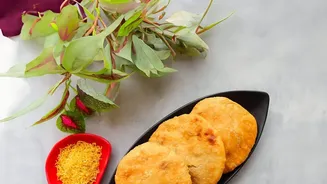
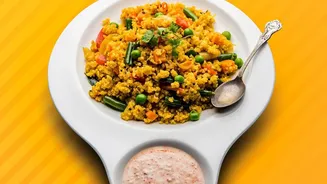
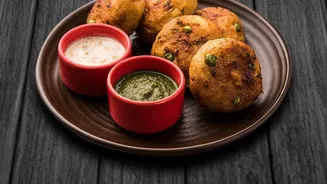
Innovation in the snack market isn't about abandoning traditional Indian flavours; it's about repackaging them for the modern consumer. Brands are finding huge success by infusing familiar tastes into new, convenient formats. Think roasted makhana in peri-peri flavour, masala oats, ragi chips, and banana wafers made with transparently sourced ingredients. These products strike a perfect balance, offering the comfort of traditional recipes with the convenience and aspirational health benefits of modern packaged goods. This fusion allows consumers to enjoy the flavours they grew up with, but in a format that suits their current lifestyle.
Reading Between the Lines
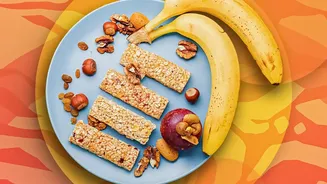
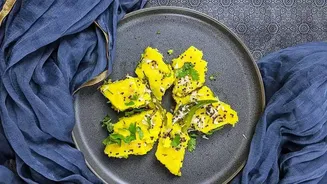
While the move towards healthier snacking is positive, the gap between perceived and actual nutrition remains significant. A 'baked' snack can still be high in refined flour and sodium, and a 'fruit' bar may contain more sugar than actual fruit. The key for consumers is to look beyond the front-of-pack claims. Experts suggest focusing on a short ingredient list with recognizable items. Traditional snacks made from whole ingredients like chickpeas (chana), lentils, and millets often provide more protein and fibre than their ultra-processed counterparts. The growing consumer demand for transparency is pushing brands to be more honest, but the responsibility still largely falls on the individual to make informed choices.
The Digital Supermarket
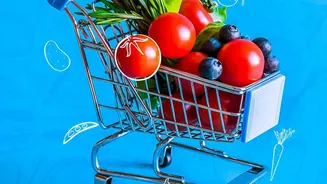
The rapid growth of e-commerce and quick-commerce platforms has been a major catalyst for this snacking revolution. Platforms like Blinkit and Zepto have levelled the playing field, allowing smaller, direct-to-consumer (D2C) brands to compete with established giants. These new brands are often built around a promise of health, transparency, and clean ingredients, catering directly to the mindful consumer. The ability to have a specific brand of quinoa puffs or a cold-pressed juice delivered in minutes has made convenient and healthy snacking more accessible than ever before, further accelerating the shift away from impulse buys at the local kirana store.