






The Daily Commuter's Dilemma
For the average resident of Jharkhand's capital, navigating the public transport system is a daily test of patience. With a population of over a million, Ranchi currently operates with a skeletal fleet of city buses, estimated to be somewhere between
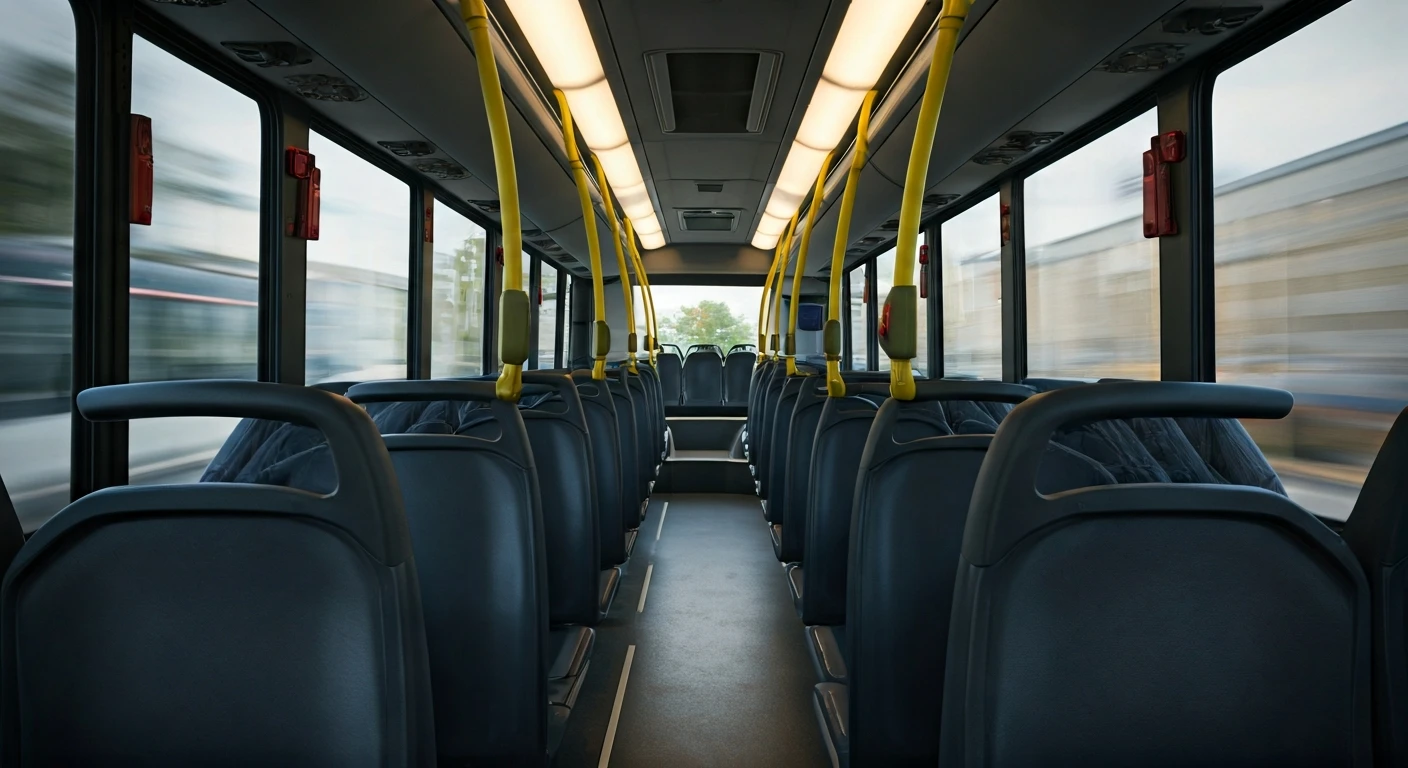
just 24 and 41 vehicles on any given day. This leaves commuters grappling with overcrowded buses, long waits, and a heavy reliance on the city's thousands of unregulated auto-rickshaws and e-rickshaws, which often charge arbitrary fares. Compounding the issue is the state of the infrastructure itself. Many of the city's designated bus stops are in a state of disrepair, with broken shelters and a lack of maintenance that renders them virtually unusable, forcing passengers to wait on busy roadsides. This isn't just an inconvenience; it's a symptom of a system struggling to keep up with the city's growth.
A Mismatch of Plans and Reality
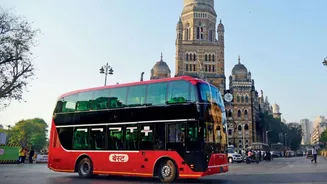
The frustration on the streets stands in stark contrast to the ambitious plans being announced by authorities. For years, residents have heard about transformative projects. One major plan, first approved more than two years ago, involves adding 244 new buses, including diesel and electric models, to modernize the city's fleet. However, as of mid-2026, this project remains stalled due to repeated tender failures and ongoing policy reviews. More recently, in June 2026, a new vision emerged: a plan to roll out 400 electric buses across four major cities in Jharkhand, with 100 earmarked for Ranchi under the PM e-Bus Seva scheme. There has also been talk of introducing futuristic, flash-charging double-decker buses for routes within the city and connecting to Jamshedpur. While these plans signal a progressive vision for Ranchi's future, they create a confusing narrative for commuters who see little to no change in their daily travel.
The Critical Information Gap
The central issue is a massive communication vacuum. While authorities announce high-level plans, there is a distinct lack of clear, consistent, and accessible information for the public. Commuters are left wondering: Which of these plans are actually moving forward? When can we expect new buses on the road? And, most importantly, what are the reliable routes and schedules for the few buses that are currently operational? The initial proposal for the 244-bus fleet included modern features like mobile ticketing and real-time bus tracking facilities—ideas that suggest an understanding of what commuters need. Yet, without implementation, these remain distant promises. This information gap means that even if new routes were introduced tomorrow, they would likely fail to serve the public effectively without a robust system to communicate them.
A Roadmap for Clarity
Before the first new bus hits the road, a comprehensive communication strategy is essential. Authorities must bridge the gap between their plans and the public's understanding. Learning from other major Indian cities, Ranchi could implement a multi-pronged approach. This includes creating a dedicated, user-friendly mobile app and an active social media presence that provides real-time updates on bus locations, route changes, and service disruptions. At the physical level, upgrading bus stops is non-negotiable. They must be repaired and equipped with clear route maps and, ideally, digital display boards showing estimated arrival times. QR codes could offer a low-cost, effective way for passengers to get instant route information on their smartphones. By investing in communication infrastructure now, the city can build trust and ensure that when the long-promised new fleet finally arrives, residents are ready and able to use it.