




Meet Methi, Your Kitchen's Secret Weapon
Methi, known in English as fenugreek, is a staple herb in Indian cuisine that has been used for thousands of years, not just for flavour but also for its medicinal properties. Its distinctive taste—a complex blend of celery-like freshness, a hint of maple-like
sweetness, and a characteristic bitterness—can elevate a simple dish into something truly special. What makes methi a culinary superstar is its versatility. It comes in three main forms, and each offers a unique personality: fresh leaves, dried leaves (Kasoori Methi), and the potent seeds. Understanding these three will empower you to add depth, aroma, and a signature Indian touch to a vast range of recipes.
The Fresh Start: Vibrant Methi Leaves
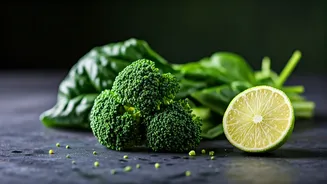
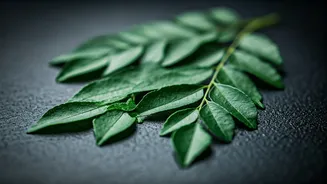
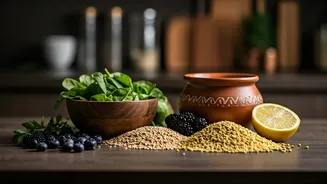
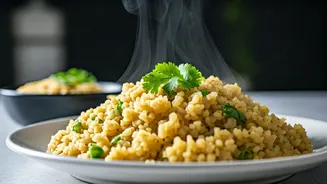
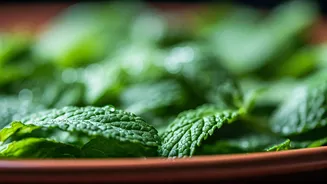
Fresh methi leaves are a delight, especially during the winter months when they are in season. They have a pleasantly bitter flavour that mellows beautifully with cooking. These green leaves are the star of classic comfort dishes like Aloo Methi, where they are paired with potatoes, and Methi Parathas, flavourful flatbreads perfect for breakfast or a travel snack. You can also chop them finely and add them to dal for a nutritional and aromatic boost, or mix them into dough for theplas and muthia. The key is to use just the leaves and discard the thick, fibrous stems, which can be excessively bitter.
The Fragrant Finisher: Kasoori Methi
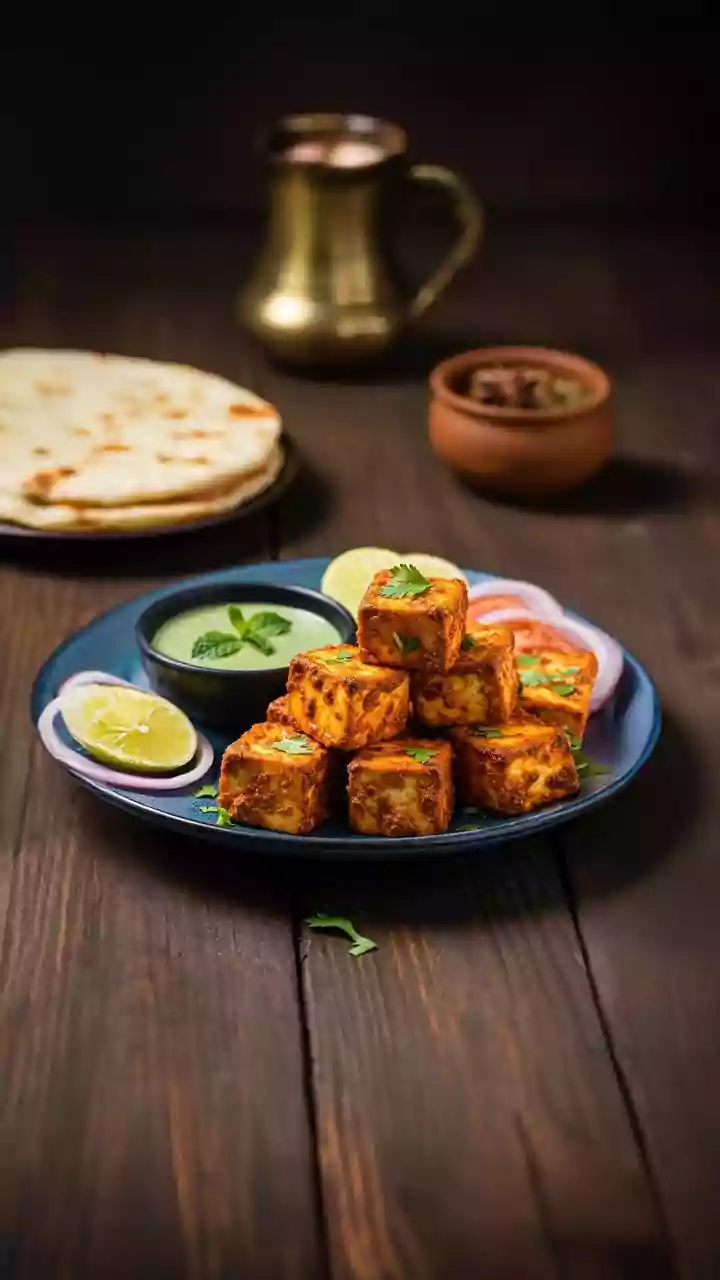
Kasoori Methi, or dried fenugreek leaves, is the secret ingredient behind many restaurant-quality North Indian gravies. Sun-drying mellows the leaves' bitterness while concentrating their aroma into a powerful, herbaceous fragrance. A small amount, crushed between your palms to release the essential oils and added at the end of cooking, can transform a dish. It’s the essential final touch in rich, creamy curries like Butter Chicken, Paneer Butter Masala, and Methi Malai Matar, where it cuts through the richness and adds an unforgettable smoky, savoury note.
The Powerful Punch: Methi Seeds
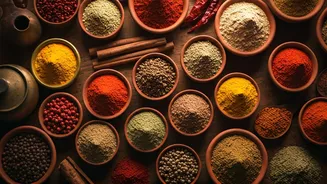
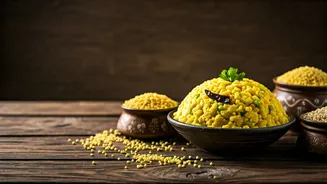
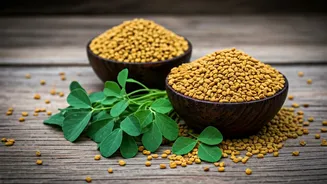
Fenugreek seeds, or methi dana, are small, hard, golden-brown seeds that pack a powerful, bitter punch. They are used sparingly and require proper technique to unlock their nutty, aromatic flavour. In Indian cooking, they are often a key component of tempering (tadka), where they are fried in hot oil to mellow their bitterness before other ingredients are added. They are also a foundational ingredient in many Indian pickles, where their preservative qualities and unique flavour are highly valued. The seeds can also be soaked overnight, which softens them and reduces bitterness, making them suitable for grinding into pastes or even sprouting for salads.
Taming the Bitterness
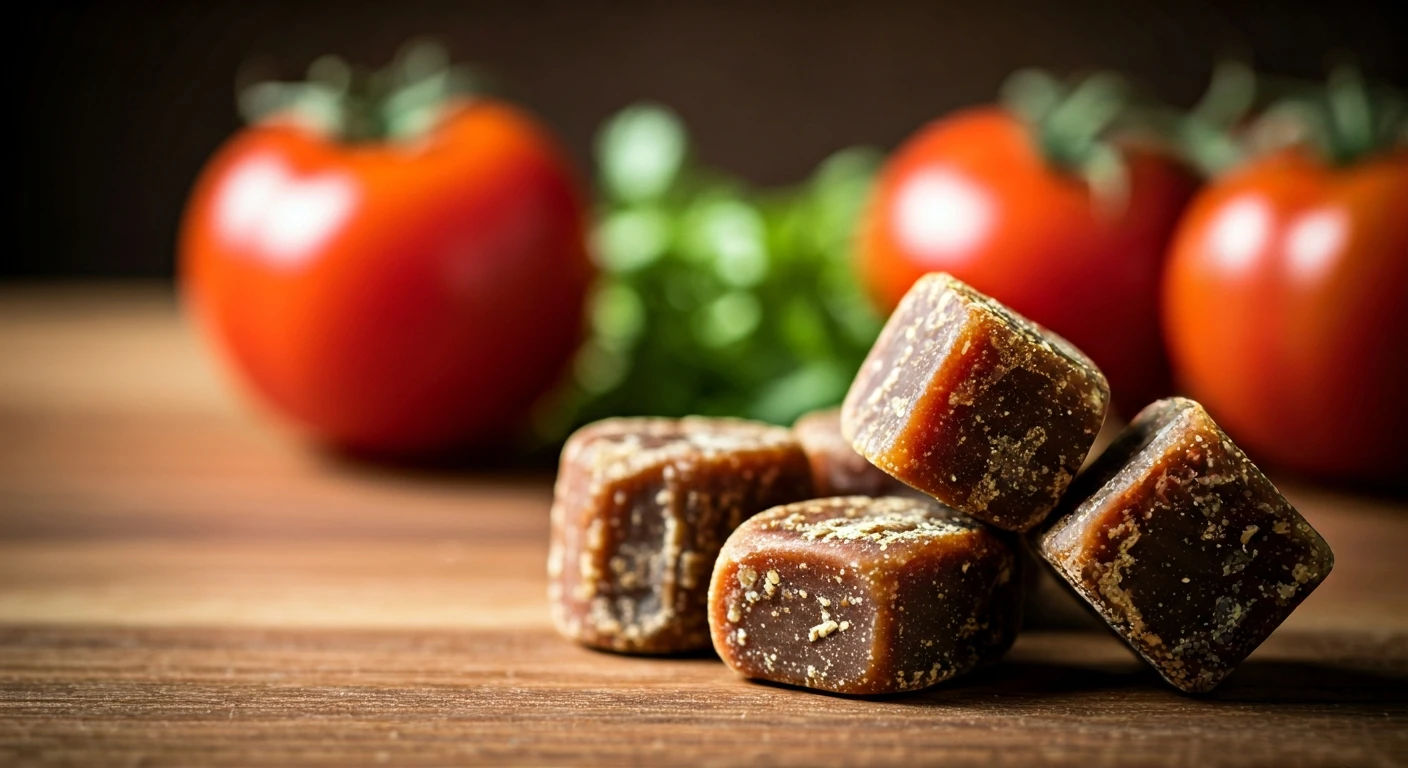
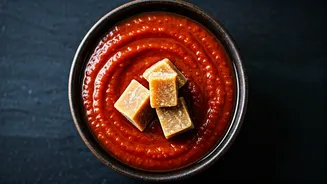
The bitterness of methi is part of its charm, but it can be overpowering if not managed correctly. Luckily, there are simple tricks to balance it. For fresh leaves, you can sprinkle them with salt and let them sit for about 20-30 minutes; this draws out the bitter juices before you rinse and cook them. Another effective method is to briefly blanch the leaves in hot water with a bit of lemon juice. Pairing methi with ingredients like potatoes, cream, jaggery, or yogurt also helps to counteract its bitter notes, creating a harmonious and balanced dish.
A Glow-Up for Your Well-being
Beyond its culinary magic, methi is celebrated in Ayurveda for its health benefits. The seeds are particularly noted for being rich in soluble fiber, which can aid digestion and may help in regulating blood sugar levels. Both the leaves and seeds are a good source of vitamins and minerals, including iron, magnesium, and Vitamin A and C. Traditionally, fenugreek has been used to address everything from digestive issues to promoting milk flow in lactating mothers. While its delicious flavour is reason enough to use it, these wellness benefits are a welcome bonus to your methi-infused meals.