








What is Functional Eating, Really?
At its core, functional eating is the practice of choosing foods based on their ability to provide health benefits beyond basic nutrition. Instead of just counting calories or macronutrients (proteins, carbs, fats), this approach asks a different question:
'What can this food do for my body?' It’s about eating with intention. Think of it as upgrading your food choices to actively support your body’s needs, whether that’s boosting your immune system, improving digestion, sharpening your focus, or reducing inflammation. It reframes food from being a potential problem (something to restrict) into a powerful solution (something to embrace).
It’s About Intention, Not Restriction
The biggest reason functional eating feels less complicated is that it isn’t a restrictive diet. There’s no official list of 'banned' foods. You don’t have to eliminate entire food groups or follow rigid meal timing. Instead, the focus is on addition and intention. The goal is to build a plate that serves a purpose. Feeling sluggish in the afternoon? Instead of just grabbing any snack, you might choose walnuts and a banana for sustained energy and brain function. Dealing with sore muscles after a workout? You might add turmeric and ginger to your dinner to help with inflammation. This mindset shift empowers you to make conscious, positive choices rather than feeling guilty about what you eat. It’s a flexible, intuitive approach that adapts to your daily needs.
A Functional Eating Shopping List
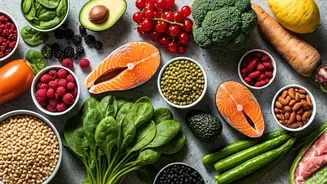
Getting started is as simple as knowing which foods pack a functional punch. You're likely eating many of these already. The key is to be more intentional about including them. Here are a few examples grouped by benefit: * **For Gut Health & Digestion:** Focus on fibre-rich and probiotic foods. Think dahi (yoghurt), kefir, kimchi, and fermented foods, as well as whole grains like oats and millets, plus lentils and beans. * **For Fighting Inflammation:** Load up on foods rich in antioxidants and anti-inflammatory compounds. This includes spices like turmeric (haldi) and ginger (adrak), leafy greens like spinach, vibrant berries, and fatty fish rich in omega-3s. * **For Brain Health & Focus:** Nourish your brain with healthy fats and antioxidants. Walnuts, almonds, seeds (chia, flax), blueberries, and dark chocolate are excellent choices. Green tea also contains L-theanine, which can promote calm focus. * **For Natural Energy:** Skip the quick sugar rush and opt for sustained energy. Complex carbohydrates like brown rice and quinoa, iron-rich foods like lentils and spinach, and fruits like bananas provide lasting fuel without the crash.
Three Simple Ways to Start Today
Adopting a functional eating mindset doesn't require a complete pantry overhaul. Small, consistent changes are the most effective. 1. **Enhance One Meal a Day.** Don't try to change everything at once. Start by focusing on making your breakfast or lunch more functional. Add a spoonful of chia seeds to your dahi, toss a handful of spinach into your dal, or sprinkle turmeric on your scrambled eggs. 2. **Listen to Your Body’s Cues.** This is the heart of functional eating. Before reaching for food, take a moment to check in with yourself. Are you genuinely hungry, or are you tired, stressed, or bored? Understanding your body's signals helps you give it what it truly needs. 3. **Upgrade Your Spices.** Your masala dabba is a treasure trove of functional ingredients. Cinnamon can help regulate blood sugar, ginger aids digestion, and turmeric is a potent anti-inflammatory. Using them generously is one of the easiest ways to make any meal more functional.