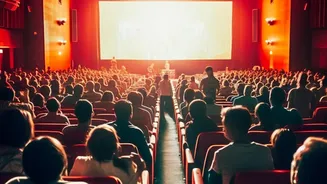

In an era of niche audiences, Nitesh Tiwari's 'Ramayana' is defying trends by becoming a global box office juggernaut. Its secret weapon? Not just visual effects, but the collective power of Indian families turning a trip to the movies into a cultural
event.
A Spectacle Designed for Everyone
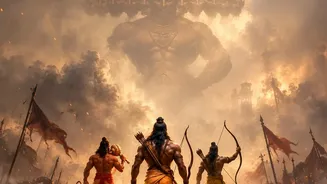
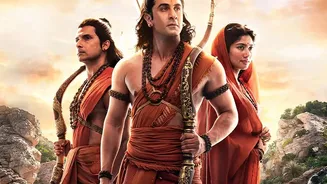
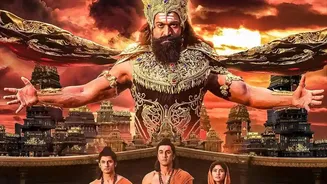
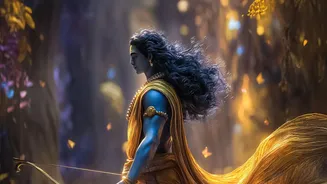
For years, Bollywood has catered to a younger, opening-weekend crowd, often leaving family audiences with few options beyond streaming services. Action films pulled in Gen Z, while dramas skewed older, creating a fragmented viewership. Director Nitesh Tiwari, known for his ability to craft stories with broad appeal like 'Dangal', explicitly designed 'Ramayana: Part One' to bridge this gap. The film combines the grandeur of a modern visual effects spectacle, with a story deeply embedded in the cultural consciousness of every generation in India. With a star cast featuring Ranbir Kapoor as Lord Rama, Sai Pallavi as Sita, and Yash as Ravana, the project had the star power to attract younger viewers, while the sacred story itself drew in their parents and grandparents. This created a rare alignment where every member of the family had a reason to go to the cinema together.
The Numbers Tell the Story
The strategy has paid off handsomely. As of its third week, 'Ramayana' has stormed past the ₹1,700 crore mark at the worldwide box office. Its domestic gross collection stands at over ₹1,162 crore, forming the bedrock of its international success. The film's performance overseas has been record-breaking, becoming the highest-grossing Indian film in international markets and setting a new benchmark in North America with over $28 million in collections. This phenomenal global pull is directly powered by its domestic dominance. The steady footfall from families, who may not rush for the first-day show but ensure packed houses over weekends, provides the long tail of revenue that propels a film from a hit to a historic blockbuster. The film has also become the highest-grossing Indian film in the IMAX format domestically, proving audiences are willing to pay a premium for a shared, larger-than-life experience.
More Than a Movie, It's a Cultural Moment
The success of 'Ramayana' isn't just commercial; it's cultural. Social media is flooded with videos of audiences cheering and chanting at key moments, such as the entry of Hanuman. Viewers have described getting 'goosebumps' and the emotional impact of experiencing a familiar, revered story together in a packed hall. This communal viewing experience is something streaming platforms cannot replicate. By tapping into the timeless themes of good versus evil, duty, and sacrifice, 'Ramayana' transcends being mere entertainment to become a shared cultural event. The decision to release it during the festive Diwali season further amplified this, turning a cinema trip into a natural part of family gatherings.
The Modern Multiplex as Family Destination
The rise of multiplexes across India's metro cities has transformed them into all-in-one entertainment hubs, perfect for family outings. They offer comfort, convenience, and a variety of options that appeal to different age groups. 'Ramayana' arrived as the perfect content for this environment. It's a high-quality, long-form spectacle that justifies the price of a family's worth of tickets. While some analysts note that the film's pacing can be slow, the overwhelming audience response suggests that for family groups, the immersive detail and visual scale are precisely the draw. After a period where high-octane action films dominated, 'Ramayana' has reminded the industry of the immense, untapped power of the multi-generational Indian family.