


What Exactly Is El Niño?
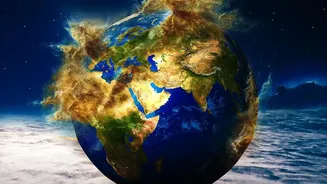
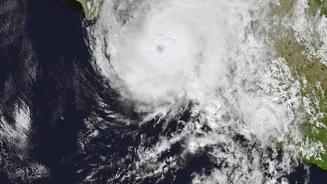
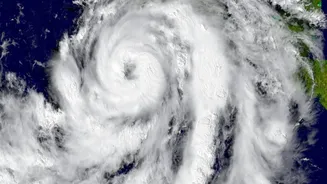
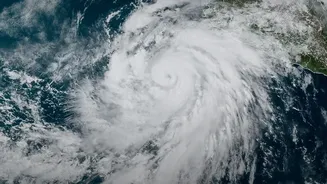
El Niño, which means 'the little boy' in Spanish, is a naturally occurring climate pattern characterized by the unusual warming of sea surface temperatures in the central and eastern Pacific Ocean. This isn't just a distant oceanic event; it triggers
a chain reaction that alters atmospheric circulation and shifts weather patterns globally. Under normal conditions, trade winds push warm surface water towards Asia, but during an El Niño, these winds weaken or even reverse. This shift in ocean heat disrupts rainfall and temperature norms across continents, including severely impacting India's crucial monsoon season. Current forecasts from agencies like the World Meteorological Organization (WMO) and NOAA indicate that a 'strong-to-very-strong' El Niño is underway and expected to persist through early 2027.
The Threat to India's Monsoon and Agriculture
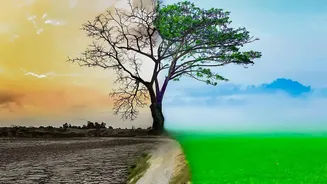
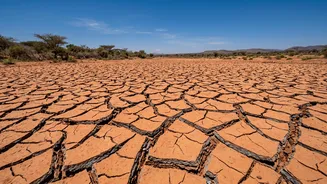
For India, El Niño's most significant impact is its historical association with a weakened southwest monsoon, which delivers about 70% of the country's annual rainfall. A deficient monsoon can lead to drought-like conditions, affecting water availability for drinking and agriculture. This directly threatens the Kharif crop season, as crucial crops like rice, maize, soybean, and cotton are heavily dependent on timely monsoon rains for sowing and growth. Rain-fed agricultural regions in states such as Maharashtra, Karnataka, and Rajasthan are particularly vulnerable. The result can be lower crop yields, reduced farm incomes, and pressure on national food security. While not every El Niño causes a drought, it significantly increases the probability of below-normal rainfall and agricultural distress.
A Magnifier for Heat and Extreme Weather
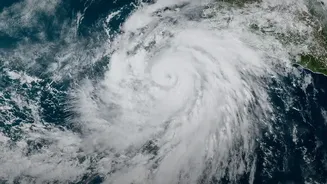
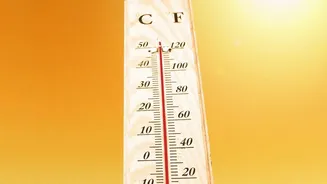
Beyond the monsoon, El Niño is known to amplify heat. It often contributes to higher-than-average temperatures, leading to more frequent and intense heatwaves across the country. These abnormally warm conditions are not just uncomfortable; they pose a direct threat to human health. At the same time, the disruption can be paradoxical. Even in a season with an overall rainfall deficit, El Niño can contribute to short bursts of extreme, intense rainfall, increasing the risk of flash floods and landslides in vulnerable areas. This erratic weather behaviour—swinging between prolonged dry spells and sudden downpours—complicates disaster preparedness and water management.
The Connection to Public Health Risks
The World Health Organization (WHO) has flagged India as a country facing high health risks from the current El Niño event, viewing it as a 'risk multiplier'. One of the biggest concerns is the rise in vector-borne diseases. Warmer temperatures and altered rainfall patterns can create ideal breeding grounds for mosquitoes, potentially increasing the transmission of diseases like dengue, malaria, and chikungunya. Irregular rains can lead people to store water, which can become stagnant and a breeding site for vectors. Furthermore, water scarcity during droughts may force communities to use unsafe water sources, raising the risk of water-borne illnesses such as cholera and typhoid.
Who Is Most Vulnerable?
The health impacts of El Niño are not felt equally across the population. Outdoor workers, such as farmers and construction labourers, are at high risk for heat-related illnesses like heat exhaustion and heatstroke. The elderly, young children, and individuals with pre-existing conditions like cardiovascular or respiratory diseases are also more susceptible to complications from extreme heat. Malnutrition and food insecurity can worsen if agricultural production is hit, disproportionately affecting rural and economically disadvantaged communities. Health systems themselves can come under strain from a surge in climate-sensitive diseases and heat-related emergencies.