





The Pungent Power of Kanji
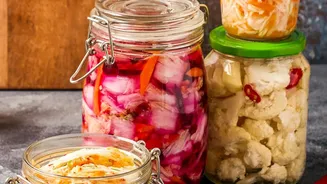
For generations, the arrival of winter in North India, particularly in states like Punjab and Rajasthan, was marked by large glass jars set out in the sun. Inside, a deep purple liquid would be slowly fermenting. This was Kanji, a traditional probiotic
drink made from black carrots, water, salt, and coarsely ground mustard seeds. The fermentation process, taking anywhere from a few days to a week, gives the drink its signature tangy, pungent, and slightly sour taste. Traditionally consumed during the cooler months and especially around the festival of Holi, Kanji was cherished not just for its unique flavour but also for its digestive properties.
The Coastal Coolness of Sol Kadhi
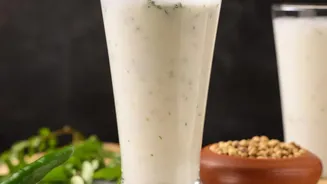
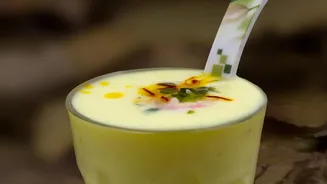
Travel west to the Konkan coast, and you'll find a different kind of traditional beverage: Sol Kadhi. This soothing, pretty-in-pink drink is a staple in Goan and Maharashtrian cuisine. Unlike Kanji, its primary flavour comes from kokum, a sour fruit from the mangosteen family, which is balanced by the creamy sweetness of fresh coconut milk. Often spiced with a hint of garlic, chilli, and salt, Sol Kadhi is not fermented but is renowned for its cooling and digestive qualities. It’s traditionally served as an appetiser or, more commonly, at the end of a spicy, heavy meal to soothe the digestive system.
A Resurgence Fueled by Wellness
So, why are these age-old drinks suddenly appearing on modern menus? The primary driver is the global wellness movement and its intense focus on gut health. In an era where probiotics and fermented foods are celebrated for their health benefits, Kanji stands out as India’s original gut-friendly tonic. The natural bacteria developed during its fermentation can aid digestion, boost immunity, and provide valuable antioxidants. While Sol Kadhi isn't fermented, its reputation as a digestive aid and a natural coolant fits perfectly into the same trend of functional, health-conscious beverages. Young consumers, in particular, are increasingly shunning sugary sodas for drinks that offer both flavour and function.
From Home Kitchens to Cafe Culture
This renewed interest has not gone unnoticed by restaurateurs and cafe owners. Adding drinks like Kanji and Sol Kadhi to a menu is a smart move. They offer a unique, authentically Indian alternative to mainstream health drinks like kombucha. For a generation seeking to reconnect with its roots, these beverages offer a sip of nostalgia and cultural pride. They tell a story of regional culinary heritage, blending ancient wisdom with modern wellness trends. Cafes are presenting them in appealing ways—sometimes as a tangy 'wellness shot' or a beautifully garnished, long, cool drink—making them highly photogenic and shareable on social media, which further fuels their popularity.
A Taste of Tradition and Trend
The journey of Kanji and Sol Kadhi from the kitchens of our grandparents to the chalkboards of hip cafes is more than just a food trend. It reflects a wider cultural shift. It’s about looking back at our own traditions and finding immense value—in terms of both health and identity. These drinks are no longer just homemade remedies; they are becoming symbols of a new Indian food landscape that is confident, proud of its heritage, and savvy about what the modern consumer wants. They are proof that sometimes, the most innovative ideas are the ones that have been with us all along.