



1. The Foundation: Savoury Arrowroot Flatbread
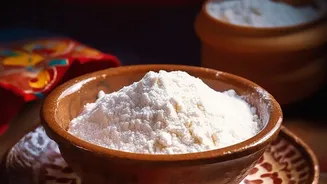
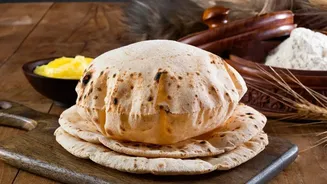
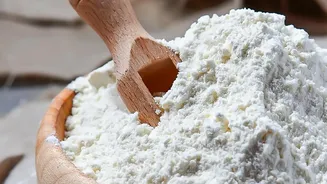
The perfect introduction to arrowroot flour is this incredibly simple, savoury flatbread. Unlike wheat-based breads, this recipe relies on arrowroot’s starchy properties to create a bread that’s crisp on the outside with a satisfying chew. To make it,
you typically combine arrowroot flour with another gluten-free flour like almond or cassava, a liquid like water or coconut milk, a little oil, and your favourite herbs or spices. The dough often comes together as a slightly sticky ball that you roll thin and cook on a hot, oiled pan for a few minutes per side. The arrowroot helps bind the ingredients and ensures the flatbread becomes beautifully crisp. Once you master this, you’ll understand how arrowroot provides structure and texture, a principle you can apply elsewhere.
2. The Crispiest Coatings
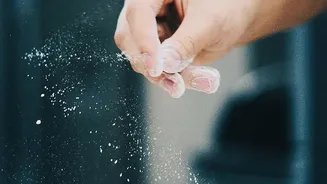
That same quality that makes flatbreads crisp gives arrowroot its superpower for frying and roasting. Use it as a light, flavour-neutral coating for chicken, fish, or vegetables before pan-frying or baking. It creates a wonderfully crispy crust that’s much lighter than a traditional flour dredge. Simply pat your protein or vegetables dry, and toss them in a mixture of arrowroot powder seasoned with salt, pepper, and paprika. The powder adheres well and fries to a perfect golden brown, sealing in moisture. Because arrowroot is less processed and has a neutral taste, it lets the flavour of the food shine through without any of the chalkiness that can sometimes come from cornstarch.
3. Silky, Glossy Sauces and Gravies
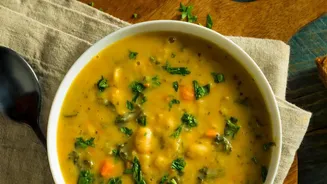
Arrowroot is a superior thickening agent, especially for sauces where you want a glossy, clear finish. Unlike cornstarch, which can turn liquids cloudy, arrowroot remains translucent and creates a silky mouthfeel. It’s also more stable in acidic recipes, like a sweet and sour sauce, and freezes and reheats better than cornstarch-thickened sauces. The key is to make a 'slurry' first: mix a teaspoon or two of arrowroot powder with a small amount of cold water until smooth before whisking it into your hot liquid. Add it at the end of cooking, as overheating can cause it to lose its thickening power. It thickens at a lower temperature than cornstarch, so you only need to heat it gently until the sauce reaches the desired consistency.
4. Better Gluten-Free Baking
In gluten-free baking, creating the right texture can be a challenge. Arrowroot flour is a team player that improves the structure and crumb of cakes, cookies, and muffins. While not typically used on its own, adding it to a gluten-free flour blend helps bind ingredients and produces a lighter, softer result. For example, in cookies, it can create a chewier texture. In cakes, it contributes to a more delicate crumb. It’s often combined with flours like almond or coconut to add structure without the density of some other grain-free options. It can also be used as a simple egg replacer in some recipes by mixing it with water.
5. Effortless Puddings and Custards
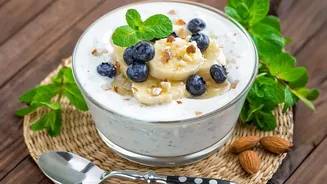
Just as it thickens savoury sauces, arrowroot works wonders in sweet, creamy desserts. It’s an ideal ingredient for making smooth, lump-free puddings and custards. Its neutral flavour means your vanilla or chocolate will be the star of the show. It’s important to note, however, that some sources suggest arrowroot can become slimy when combined with dairy, so it is often recommended for non-dairy or fruit-based desserts. To make a simple pudding, whisk arrowroot with a bit of cold non-dairy milk to create a slurry, then add it to the rest of your heated milk and sugar, stirring until it thickens into a creamy dessert. It sets quickly, giving you a delicious treat without a long cooking time.