



The Spirit of a Mindful Sadya
The traditional Onam Sadya is a vegetarian feast that can feature more than 26 dishes, a true culinary marathon. At its heart, however, the Sadya is about balance and community, not just quantity. Recreating it at home offers a chance to connect with
tradition in a personal way. The goal isn't to replicate a massive temple feast, but to capture its spirit. A smaller, well-thought-out menu can be just as festive and satisfying, allowing you to focus on the joy of cooking and sharing, rather than becoming overwhelmed.
Plan Your Curated Menu
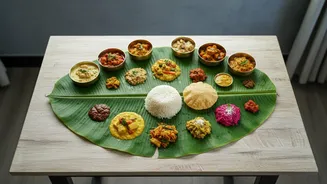
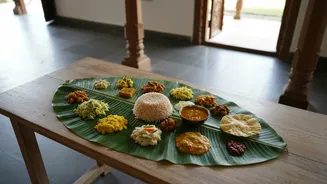
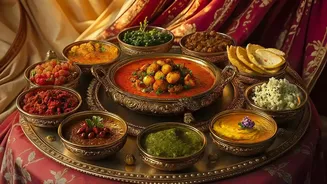
Instead of aiming for two dozen dishes, focus on a curated selection that provides a variety of flavours and textures. A manageable Sadya can be built around a few essential categories. You don't need to make everything from scratch to have an authentic experience. A great starting point includes one main lentil dish (Parippu), a versatile vegetable stew (Sambar or Avial), a dry vegetable side (Thoran), a cooling yogurt-based dish (Pachadi or Kichadi), a tangy pickle (like Puli Inji), and a sweet dessert (Payasam). This core group delivers the complete Sadya experience. Write your menu down a week in advance to give yourself time to plan.
Smart Shopping to Minimise Waste
Once you have your menu, create a detailed grocery list. This is your best tool against buying more than you need. For vegetables used across multiple dishes, like yams, carrots, and beans for Avial and Thoran, calculate the total amount required instead of buying for each recipe separately. Check your pantry for staples like rice, lentils, spices, and jaggery before you shop. Many dishes, particularly the side curries, require only small amounts of each vegetable, so resist the urge to buy large packets. This approach not only prevents food waste but also keeps your budget in check.
A Staggered Cooking Schedule
The secret to a stress-free Sadya is to stagger your cooking over several days. Many components can be prepared in advance. Two to three days ahead, you can make the pickles and chutneys like Puli Inji, which actually improve in flavour over time. The day before, you can chop most of your vegetables and store them in airtight containers. You can also cook dishes like Kalan or certain Pachadis ahead of time. On the day of the feast, focus on cooking the rice, Sambar, Avial, and any final stir-fries. Frying the pappadams should be one of the last things you do to ensure they are crispy.
Mastering the Essential Dishes
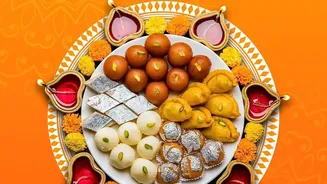
If you're new to cooking a Sadya, focus on a few signature dishes. Parippu curry, a simple moong dal preparation, is the traditional starting point. Avial, a mix of vegetables in a coconut-yogurt sauce, is a Sadya superstar. For a dry side, a Thoran made with cabbage or green beans is a quick and flavourful option. For the tangy element, a simple cucumber Pachadi provides a cooling contrast. And for dessert, a Semiya Payasam (vermicelli pudding) is a crowd-pleaser that is relatively easy to prepare. Mastering these few will give you a strong foundation for future feasts.
The Art of Serving and Saving
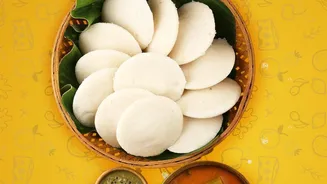
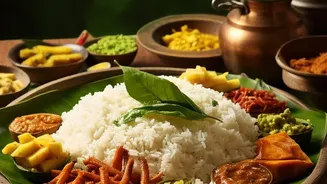
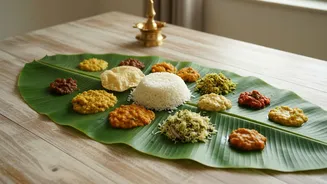
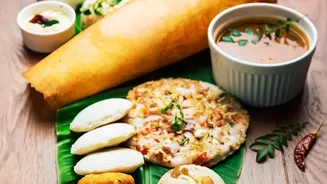
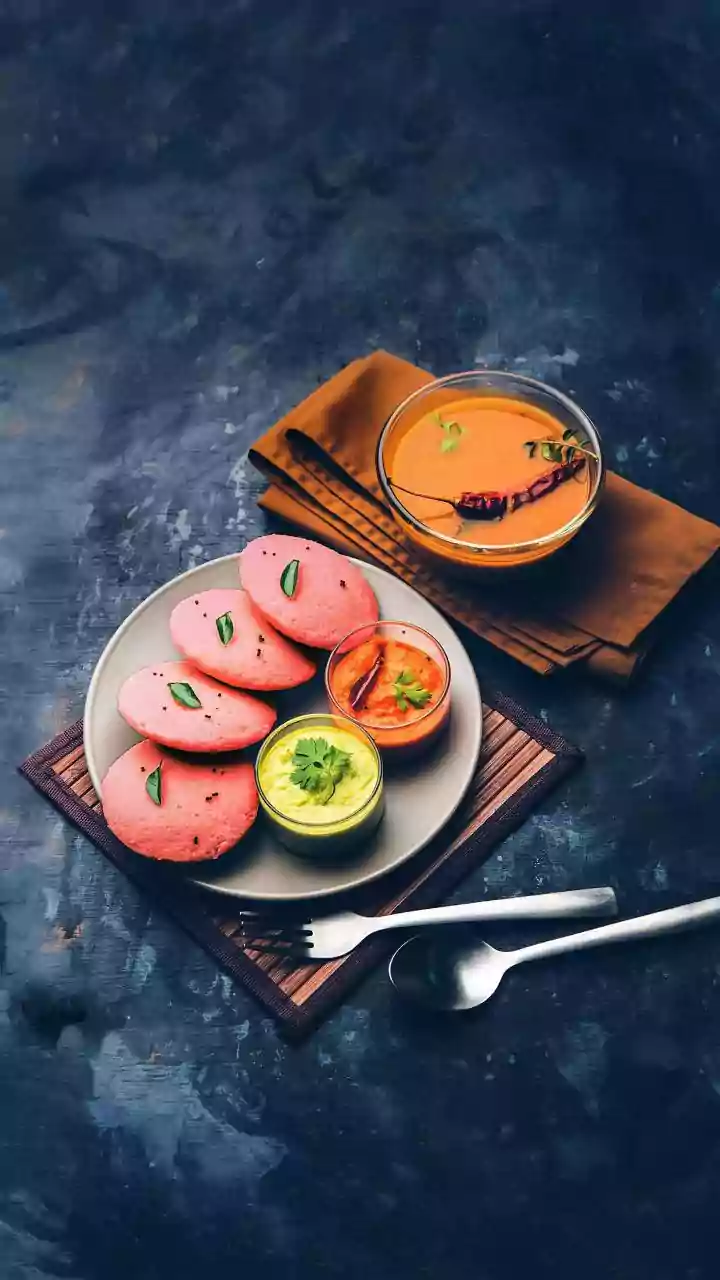
Traditionally, Sadya is served in small portions, with each dish placed on a specific part of the banana leaf. This encourages diners to sample everything without getting full too quickly. Adopt this practice at home. Serve small spoonfuls of each item, and let guests ask for more of their favourites. This reduces plate waste significantly. After the meal, don't let the leftovers go to waste. Leftover Sambar is famously delicious with idli or dosa the next day. Thoran can be mixed with rice for a quick lunch, and leftover Avial can be enjoyed on its own.