



Thalassery Biryani: The Pride of Malabar
Forget what you know about biryani. In the northern Malabar region, the Thalassery Biryani reigns supreme, and it follows its own set of rules. Instead of the long-grain basmati, this dish uses a unique, fragrant short-grain rice called Kaima or Jeerakasala.
The rice and masala are cooked separately before being layered and slow-cooked in the 'dum' style, where the pot is sealed to trap steam and infuse flavour. This method, influenced by Arab traders, results in a biryani that is moist and aromatic rather than oily or heavy. The masala is a mellow blend of spices, fried onions, ginger, garlic, and mint leaves, allowing the flavour of the tender chicken or mutton to shine through. It’s a testament to the Mappila community's distinct culinary heritage.
Meen Pollichathu: A Backwater Treasure
Meen Pollichathu is a dish that tastes of the tranquil backwaters of Kerala, particularly in the Kuttanad and Kochi regions. The name translates to "roasted fish," and the process is an art form. Typically, a whole fish like Karimeen (pearl spot) is marinated in a blend of spices, lightly fried, and then smothered in a thick, tangy masala of shallots, tomatoes, ginger, and curry leaves. The entire package is then wrapped tightly in a banana leaf and pan-roasted on a tawa. The leaf seals in moisture and imparts a subtle, smoky aroma that is signature to the dish. As you unwrap the parcel, the steam releases a burst of incredible flavour, revealing fish that is tender, flaky, and perfectly infused with the spicy masala.
Puttu and Kadala Curry: The Quintessential Breakfast
While the Sadya is for celebrations, Puttu and Kadala Curry is the beloved breakfast that fuels a typical day in Kerala. Puttu are steamed cylinders made from rice flour and layered with freshly grated coconut. Cooked in a special mould called a 'puttu kutti', it is light, fluffy, and subtly sweet from the coconut. Its perfect partner is Kadala Curry, a robust and spicy gravy made with black chickpeas, roasted coconut, and a blend of aromatic spices. The soft puttu is perfect for soaking up the rich curry, creating a combination of textures and flavours that is both comforting and deeply satisfying. It's a humble yet iconic dish found in homes and tea stalls across the state.
Chatti Pathiri: The Malabar Lasagna
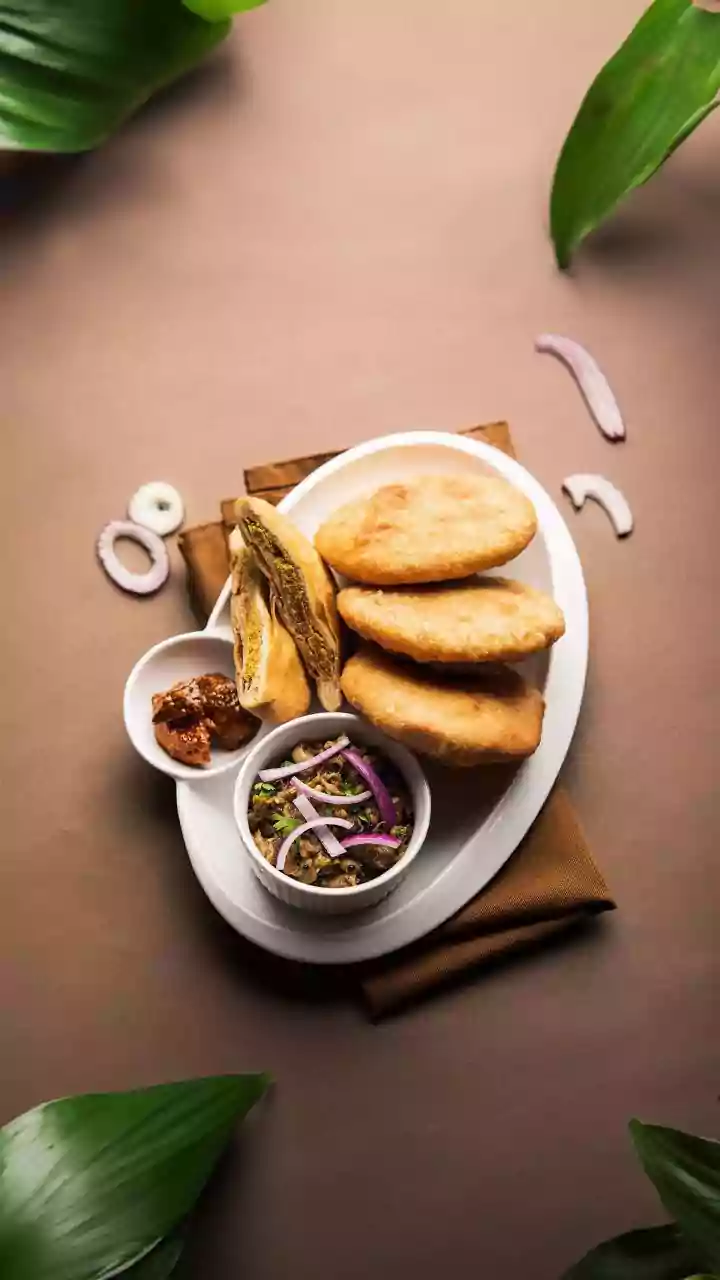
Another jewel from the Malabar region, Chatti Pathiri is a stunning layered pastry that showcases the area's intricate culinary skills, often drawing comparisons to an Italian lasagna. This dish is a staple during festivals like Ramadan and weddings. It consists of paper-thin crepes or flatbreads made from rice flour, which are dipped in milk or egg and stacked in layers. Chatti Pathiri can be either savoury or sweet. The savoury version is filled with a spiced meat mixture, similar to what you’d find in a samosa, while the sweet version features a delicious filling of sweetened eggs, nuts, raisins, and cardamom. The entire stack is then pan-cooked on a low flame until golden brown, resulting in a dish that's both visually impressive and incredibly delicious.
Syrian Christian Delicacies: A Blend of Cultures
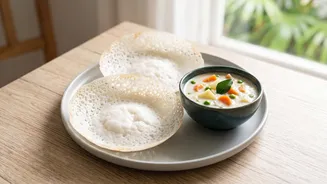
The cuisine of Kerala's Syrian Christian community, or Nasranis, is a unique fusion of local Keralan flavours with Portuguese, Dutch, and West Asian influences. Instead of a vegetarian feast, their tables are often laden with rich meat and fish preparations. Dishes like 'Meen Molee' (a mild, creamy fish curry with a coconut milk base), 'Erachi Ularthiyathu' (a spicy beef fry slow-roasted with coconut slivers), and Appam served with a hearty chicken or mutton stew are central to their food culture. These dishes use a distinct blend of spices, often featuring black pepper, cloves, and cinnamon, reflecting the community’s long history as part of the spice trade. Exploring this cuisine reveals another, equally important side of Kerala’s culinary identity.