




Why an Organised Pantry Matters
Before we dive into the 'how,' let's talk about the 'why.' Organising your dry ingredients isn't just about having a tidy-looking kitchen. It’s a strategy for a less stressful festive period. A well-ordered pantry means you know exactly what you have,
preventing that last-minute panic when you realise you're out of cardamom or besan. It saves precious time you would otherwise spend rummaging through a clutter of packets and jars. Moreover, proper storage protects your ingredients from pests and moisture, especially during humid weather, ensuring your spices retain their potency and flavour. This small investment of time upfront pays huge dividends in efficiency and peace of mind, letting you focus on the joy of cooking for your loved ones.
Step 1: Conduct a Pantry Audit
The first step to organisation is to know what you're working with. Empty your pantry shelves completely. Go through every packet, box, and container of flour, dal, rice, sugar, and spices. Check expiry dates and discard anything that is past its prime or smells stale. Ground spices, in particular, lose their aroma and flavour over time. As you sort, group similar items together and make a detailed list of everything you need to restock for your planned festive menu. This is the perfect opportunity to clean the shelves thoroughly, giving you a fresh, clean slate to work with.
Step 2: Invest in Smart Storage
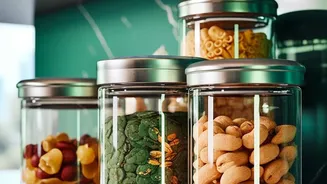
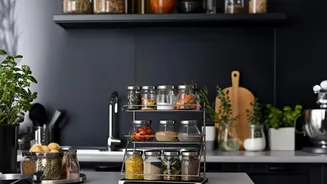
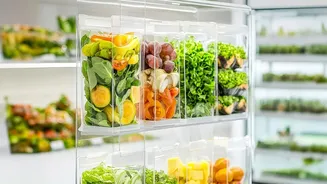
The right containers are fundamental to a functional pantry. For an Indian kitchen, this means a variety of sizes and types. Use large, airtight containers for bulk items like atta, rice, and various dals. Clear containers are excellent because they allow you to see the contents and quantity at a glance, making inventory checks easier. For spices, airtight glass or food-grade stainless steel jars are ideal as they don't absorb odours or stain, and they protect the delicate essential oils from air and light. A traditional steel 'masala dabba' is perfect for keeping your most-used daily spices within arm's reach of the stove.
Step 3: Create Logical Zones
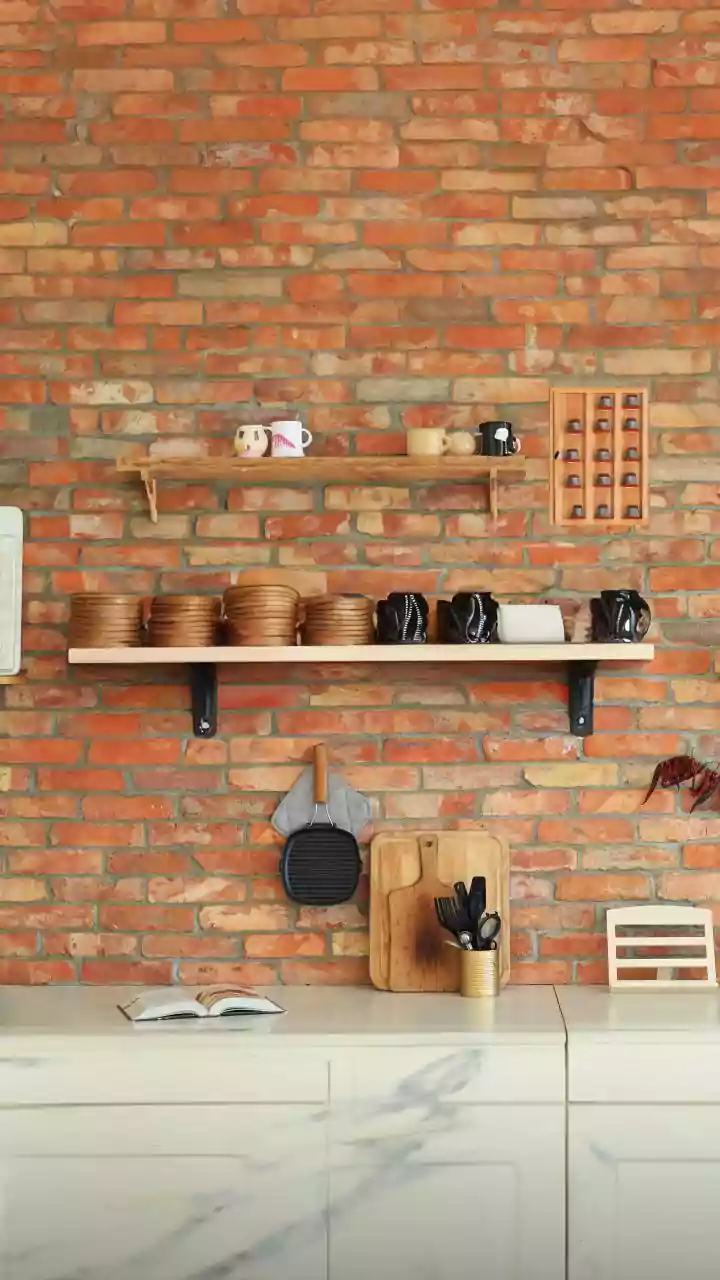
Once you have your containers, resist the urge to just put things back randomly. Think like a librarian and create zones. Group all your lentils and pulses together. Dedicate a shelf or a section for different types of flours (wheat, rice, gram). Keep all your whole spices in one area and ground spices in another. Baking supplies like cocoa powder, baking soda, and sugar should have their own designated spot. This zoning system means you'll instinctively know where to reach for an ingredient, cutting down on search time dramatically. Place the items you use most frequently at eye level for easy access.
Step 4: The Power of a Simple Label
This may seem like a small detail, but it is a game-changer. Label every single container. It eliminates the guesswork between semolina (suji) and rice flour, or distinguishing between different types of red chilli powder. You can use simple stickers, a label maker, or even a marker on tape. Include the name of the ingredient and, if you're feeling extra organised, the date you purchased or opened it. This helps you use older stock first and ensures everything stays fresh.
Bonus Tip: Assemble 'Festive Kits'
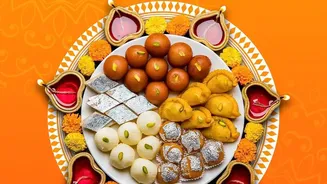
For a truly next-level approach, prepare 'kits' for the special dishes you plan to make. Are you making ladoos? Measure out the required quantities of besan, sugar, and ground nuts into a single container. Planning to make biryani? Create a small jar with the specific blend of whole spices needed for the recipe. This concept, similar to preparing an onion-tomato base in advance, turns a complex recipe into a simple assembly job on a busy day. It takes the mental load off measuring and gathering, allowing for a much smoother and more enjoyable cooking experience during the festive rush.