


A Canvas of Ice and Colour
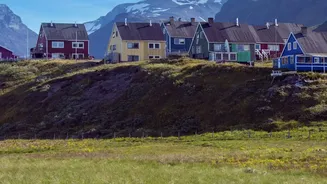
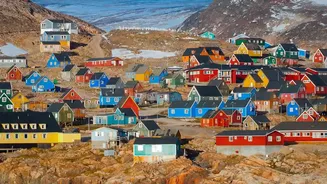
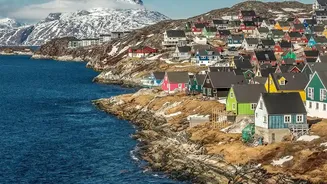
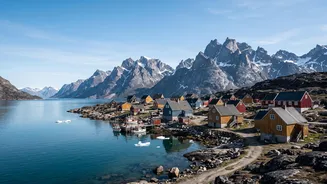
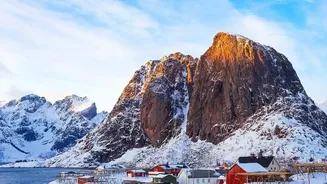
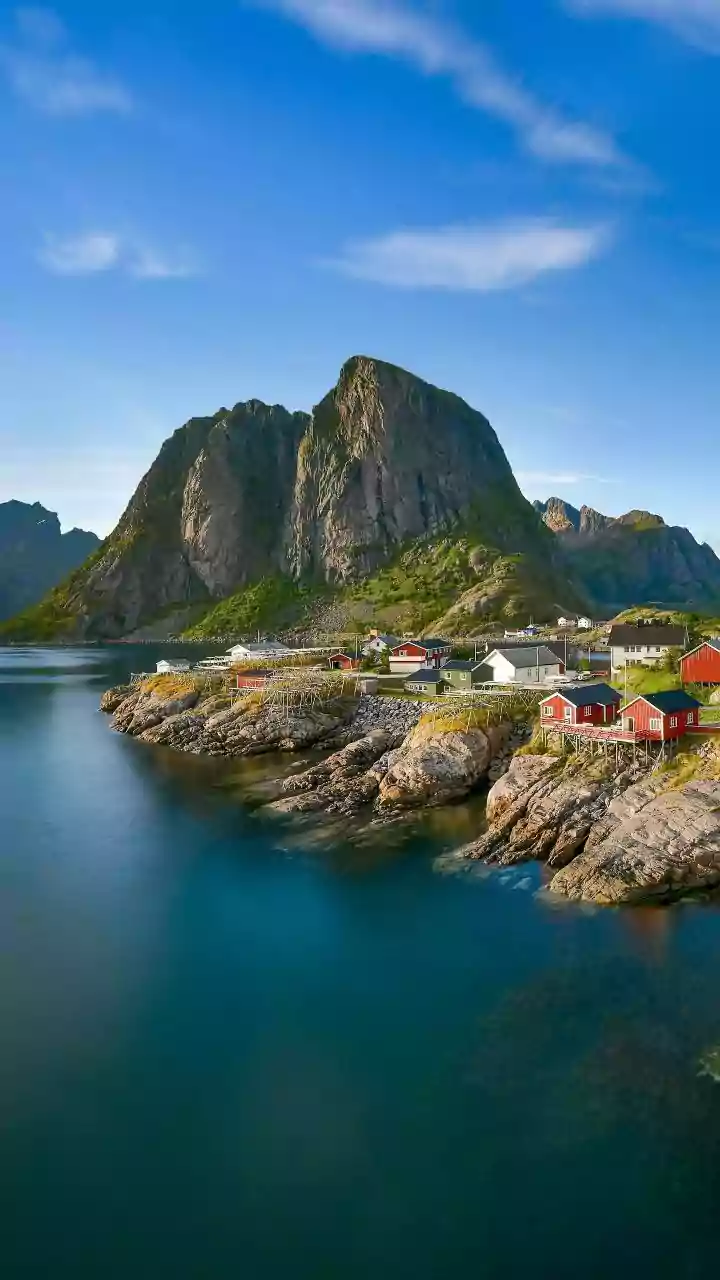
The first thing that strikes you in a Greenlandic village is the colour. Towns like Ilulissat, Sisimiut, and Tasiilaq are famous for their rows of brightly painted wooden houses—vibrant reds, blues, and yellows that stand in stunning contrast to the immense
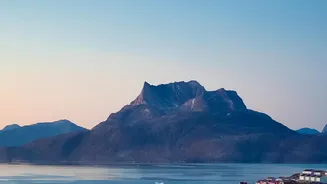
landscape of rock, sea, and ice. These settlements are often tiny, some with populations of less than a hundred people, and are not connected by roads. Each village is an isolated pocket of warmth and community, reachable only by boat, helicopter, or, in winter, by dog sled. This unique combination of charming, colourful architecture and raw, untamed surroundings creates a visual spectacle that photographers and travellers find irresistible.
Nature at Your Doorstep
In Greenland, there's no separation between village life and the wilderness; they exist together. The main attraction for many is the immediate access to some of the world's most dramatic natural wonders. The town of Ilulissat, for example, sits beside the Ilulissat Icefjord, a UNESCO World Heritage Site since 2004. This fjord is the outlet for the Sermeq Kujalleq glacier, the most productive glacier in the Northern Hemisphere, which calves an estimated 20 billion tonnes of icebergs each year. Visitors can sit at the water's edge or take a boat tour and watch these colossal ice sculptures—some as large as skyscrapers—drift silently out to sea. This isn't a distant phenomenon; it’s the daily backdrop to life in the village.
An Authentic Cultural Connection
Visiting a Greenlandic village offers more than just stunning views; it provides a rare glimpse into a resilient and ancient culture. Many of these communities maintain a way of life deeply rooted in Inuit traditions, which have sustained them in one of the world's harshest environments for millennia. Travellers can experience this culture firsthand, not in a museum, but as a living part of the community. This might involve a dog sledding excursion with a local hunter who knows the land intimately, learning about traditional fishing practices, or experiencing a 'kaffemik'—a Greenlandic tradition where locals open their homes to guests for coffee and cake. It’s these authentic, respectful interactions that often become the most cherished memories of a trip.
Front-Row Seats to Arctic Wildlife
The lands and waters surrounding these villages are teeming with unique Arctic wildlife. The summer months are an especially active period. From the deck of a boat leaving a village harbour, it's common to spot humpback, minke, and fin whales breaching the surface. Seals are often seen basking on floating ice. On land, particularly in the east and northeast, travellers may encounter herds of shaggy musk oxen grazing on the tundra, or spot Arctic foxes and hares. While polar bears are more elusive and tend to stay away from settlements, the possibility of a sighting adds to the thrilling unpredictability of the region. The villages serve as the perfect, safe base camps for these unforgettable wildlife excursions.
The Thrill of True Remoteness
In a world that is constantly connected, the profound isolation of a Greenlandic village is a powerful draw. Life here moves at a different rhythm, dictated by the seasons, the ice, and the wildlife. There are no roads connecting towns, forcing a reliance on the elements and a deep sense of community. This remoteness offers a chance for a true digital detox and an encounter with something increasingly rare: absolute silence. Whether it’s watching the ethereal dance of the Northern Lights in the winter sky or experiencing the endless daylight of the Midnight Sun in summer, being in a small Greenlandic village is an opportunity to disconnect from the noise of modern life and reconnect with the immense power of the natural world.