
A New King of the Moons
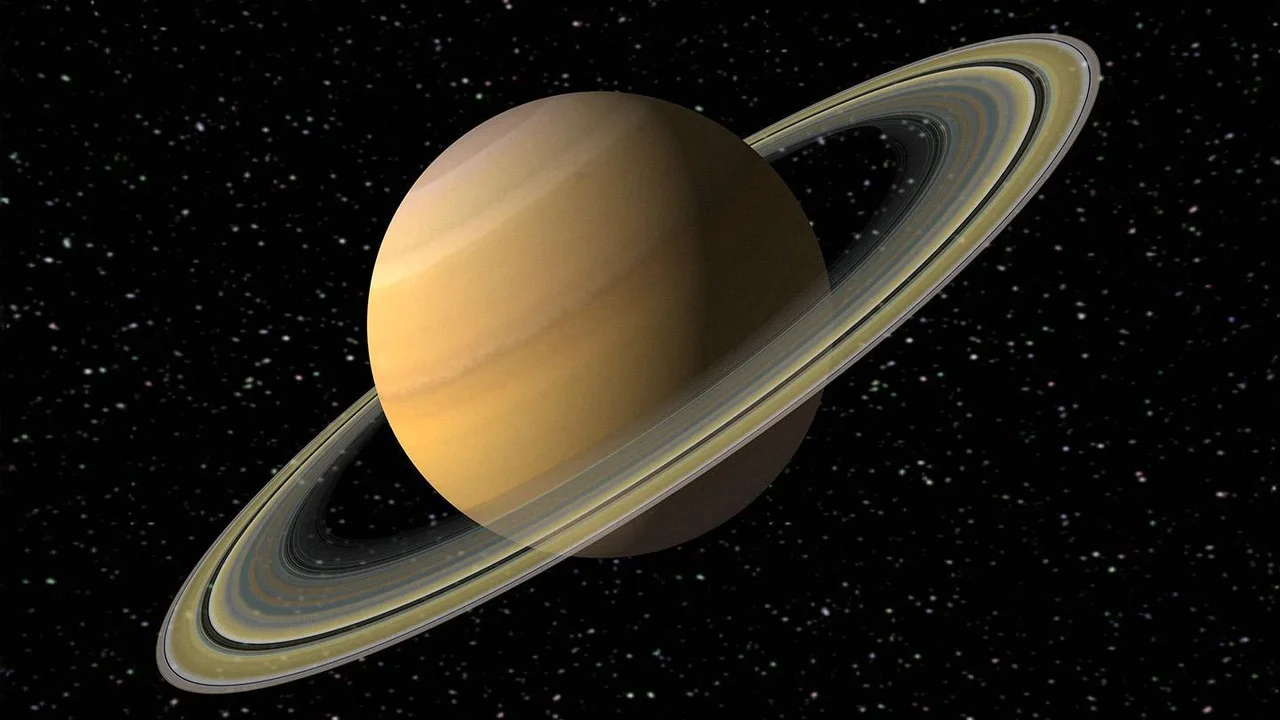
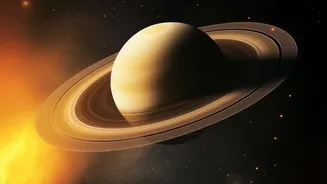
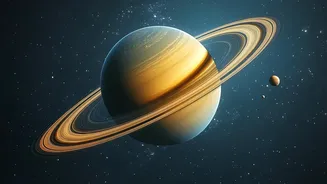
Just a few years ago, Saturn’s confirmed moon count stood at 83, trailing behind Jupiter. Today, the situation is completely different. As of mid-2026, astronomers have officially confirmed 293 moons orbiting the ringed planet, nearly three times Jupiter's
total. This number didn’t just creep upward; it exploded in massive bursts. In May 2023, the count jumped to 145, pushing Saturn into the lead for the first time. This was followed by an even bigger announcement of 128 new moons in March 2025, and several smaller additions in 2026 that brought the tally to its current state. This sudden surge isn't because new moons are suddenly forming, but because our ability to find them has fundamentally changed.
How Astronomers Find These Tiny Worlds
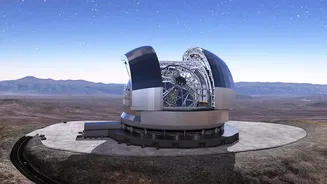
Discovering a new moon is no longer about a lone astronomer peering through a telescope eyepiece. The latest discoveries are the result of powerful survey telescopes and sophisticated data analysis. Astronomers use a technique called 'shift and stack', where they take a series of images of the sky around Saturn. Because these potential moons are incredibly faint and distant, they don't show up in a single exposure. By digitally shifting and layering dozens of images to follow the predicted path of a tiny moving object, its faint light can be combined until it becomes visible against the background stars. However, spotting a candidate moon is just the beginning. It can take years of follow-up observations to track the object and confirm that it is, in fact, in a stable orbit around Saturn. Only then does it get an official designation and join the ever-growing list.
What Counts as a Moon, Anyway?
Part of the reason Saturn's moon count can swell so dramatically comes down to a simple question: what is a moon? While the International Astronomical Union (IAU) has a strict, multi-part definition for what constitutes a planet (famously leading to Pluto's reclassification), it has no such official rule for moons. There is no minimum size requirement. In general, if an object is a natural satellite orbiting a planet and its orbit can be confirmed, it counts as a moon. This means that a giant, planet-sized world like Titan and a tiny, potato-shaped rock just a few kilometres across are both counted equally as one moon. As technology allows us to spot these smaller and smaller objects, the potential for new discoveries becomes almost limitless.
The Rise of the Irregular Moons
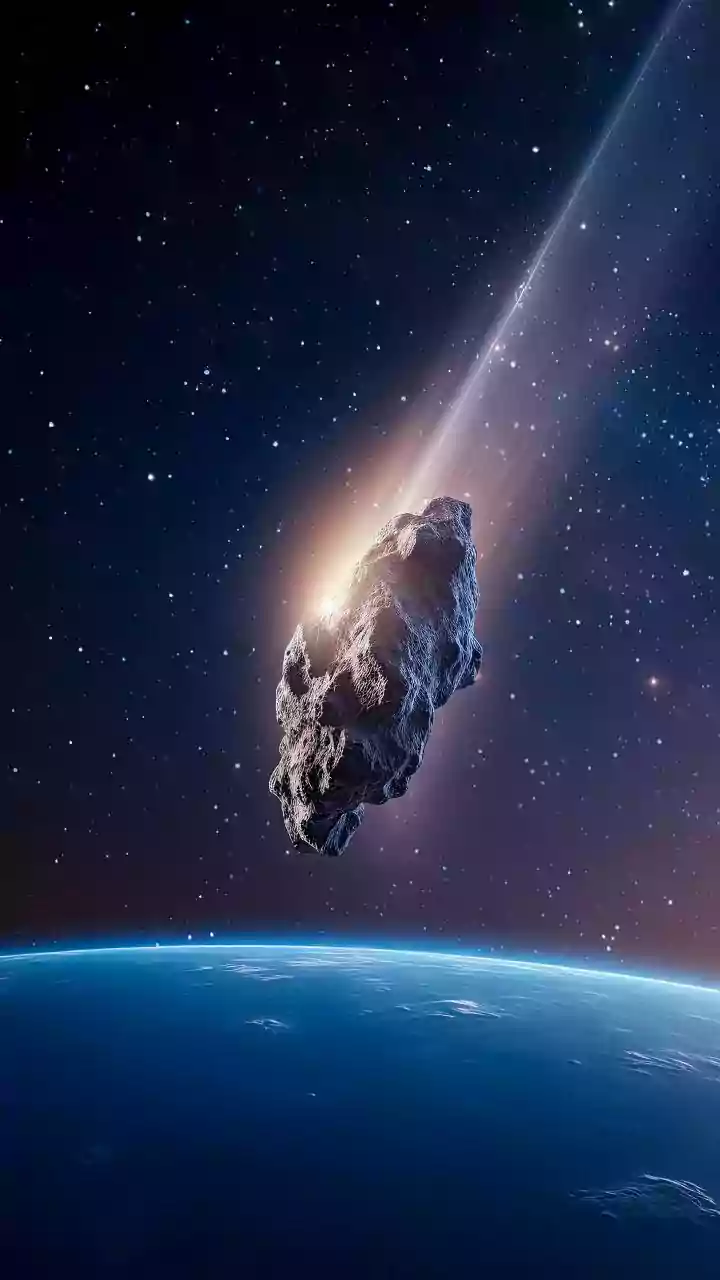
The vast majority of these new discoveries are not like the large, spherical moons we're familiar with. They belong to a category known as 'irregular moons'. Saturn’s 24 'regular' moons likely formed from the same disk of gas and dust as the planet itself, and they have neat, circular orbits aligned with Saturn’s equator. In contrast, the nearly 270 irregular moons are a chaotic bunch. They are small, have odd shapes, and follow distant, tilted orbits. Many even travel backward, or retrograde, against the direction of Saturn's spin. The prevailing theory is that these are not native to Saturn. Instead, they are captured objects—passing asteroids or comets that wandered too close to the gas giant billions of years ago and got trapped by its immense gravity. Many of these irregular moons travel in clusters, suggesting they may be the shattered remnants of larger bodies that collided and broke apart long ago.