




1. Cotton: The Breathable Classic
Cotton is a go-to fabric for a reason. Its natural fibres are lightweight and breathable, allowing air to circulate and helping to keep you cool in muggy weather. [8] This quality helps prevent the sticky, uncomfortable feeling that high humidity often
brings. [2] While pure cotton absorbs moisture well, it can be slow to dry, which is a downside if you get caught in a downpour. [10, 3] For the best results during the monsoon, consider cotton blends with polyester or rayon, which maintain breathability while significantly speeding up drying time. [3] Another smart tip is to opt for darker colours or prints, which are more forgiving of water splashes and prevent clothes from becoming transparent when wet. [6]
2. Rayon: The Flowy and Fast-Drying Choice
If you love a fabric that drapes beautifully without clinging, rayon is your monsoon ally. [7, 6] This semi-synthetic fabric, made from natural cellulose, feels silky smooth against the skin and is exceptionally breathable. [7, 13] Its lightweight nature is perfect for crafting flowy dresses, jumpsuits, and blouses that won't stick to your body in the humidity. [3, 7] While rayon absorbs moisture, it doesn’t trap body heat and dries relatively quickly, making it a practical and elegant choice for rainy days. [7] Modern rayon blends are often engineered for even faster drying. [2]
3. Chambray: Denim's Lighter Cousin
For those who love the look of denim but dread its heaviness and slow-drying nature, chambray is the perfect alternative. [8] Often made from cotton or a cotton-linen blend, chambray has a similar woven appearance to denim but is far lighter and more breathable. [13, 8] This makes it an excellent choice for staying comfortable without sacrificing style. The fabric doesn't cling like heavy denim does in damp weather, offering a more practical option for shirts, dresses, and lightweight trousers. [5, 12] It provides a durable yet comfortable feel that holds up well in wet conditions. [5]
4. Linen: The Airy but Wrinkly Option
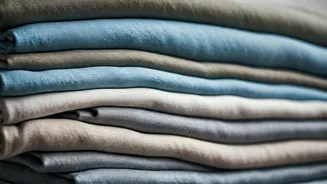
Linen is renowned for its exceptional breathability and moisture-wicking properties, making it a top contender for hot and humid weather. [4, 8] The fabric is incredibly lightweight, allows heat to escape from the body, and dries very quickly. [6, 4] However, linen has a significant drawback: it wrinkles very easily. While some appreciate its naturally creased charm, it may not be suitable for more formal settings. [11] For monsoon wear, consider linen blends which can offer the airy feel of pure linen with improved wrinkle resistance and quicker drying times. [5]
5. Fabrics to Avoid This Season
Just as important as knowing what to wear is knowing what to avoid. Heavy fabrics like denim and corduroy are a poor choice, as they absorb a lot of water and take a very long time to dry. Once wet, they become heavy and uncomfortable. Similarly, delicate fabrics like pure silk can be easily damaged by rainwater, often leaving permanent stains. Heavy jacquards and velvets should also be kept for drier days, as they trap moisture from the humid air and can develop a musty smell. [9] Sticking to lighter, quicker-drying alternatives will make your monsoon experience much more pleasant.