







Rising Above the Deluge
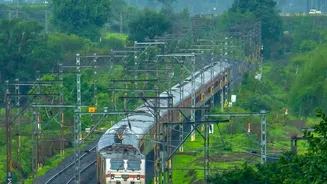
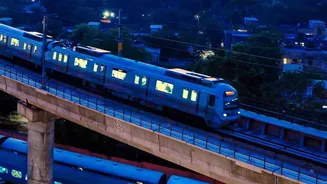
The single greatest advantage of the Chennai Metro during a downpour is its design. A significant portion of the network is elevated, running on viaducts high above the street-level chaos. While buses are rerouted, cars are stranded, and suburban train
tracks get submerged, the Metro continues its journey unimpeded by the flooding below. This fundamental engineering choice means that for vast stretches of the city, from Koyambedu to Alandur and beyond, the Metro provides a level of service continuity that road-based transport simply cannot match during intense rainfall. Commuters can travel between key commercial and residential hubs, knowing their journey won't be halted by a waterlogged underpass or a flooded arterial road.
Fortifying the Underground
For the sections of the Metro that run underground, flood resilience is a matter of proactive defence. Chennai Metro Rail Limited (CMRL) has implemented specific measures to prevent a repeat of past flooding events. Key underground stations like Government Estate, Saidapet, and Thousand Lights have been equipped with flood-proof doors and specialised barriers at entry and exit points. These barriers can be deployed during heavy rain warnings to seal off access ramps and prevent water from cascading into the stations and tunnels. Additionally, CMRL has constructed retaining walls around underground station sites for its Phase II project, providing another layer of defence against surging floodwaters. This focus on sealing vulnerable points ensures the subterranean parts of the network remain dry and operational.
A Strategy of Preparedness
Reliability isn't just about design; it's also about preparation. Ahead of every northeast monsoon season, CMRL enacts a comprehensive preparedness plan. This involves identifying all vulnerable locations across the network and deploying hundreds of high-capacity water pumps to be used if any area does experience water accumulation. As of late 2026, CMRL has over 600 pumps of varying capacities ready for deployment across its operational lines and construction sites. Teams are on round-the-clock alert to monitor water levels and intervene quickly. This proactive stance extends to increasing service frequency during anticipated cyclones or heavy rain alerts, providing more options for the public when other transport modes become unreliable.
A Lifeline to Critical Hubs
During a flood, connectivity to major transport hubs is crucial. The Metro excels here, linking the Chennai Mofussil Bus Terminus (CMBT), Chennai Central and Egmore railway stations, and the Chennai International Airport. When roads to these locations become impassable, the Metro often remains the only viable option for travellers needing to catch a flight or an out-of-town train. This has repeatedly proven to be a lifeline for thousands of stranded passengers during severe weather events. While other public transport systems like the MTC bus service and even parts of the suburban and MRTS rail networks face disruptions, delays, or complete suspension due to waterlogging, the Metro has consistently maintained its operational schedule.
Acknowledging the Challenges
While the core train service is remarkably resilient, challenges remain, particularly with last-mile connectivity. The areas surrounding some stations, including approach roads and parking lots at hubs like Koyambedu and St. Thomas Mount, are prone to flooding. This can make accessing the station itself a difficult task, forcing commuters to wade through stagnant water. In some cases, CMRL has had to advise passengers to remove their parked vehicles from lots due to the risk of waterlogging. Furthermore, issues like uncovered entry points leading to wet escalators persist in some stations. While CMRL works with civic bodies to address these external issues, they highlight that a truly seamless monsoon journey depends on the resilience of the infrastructure surrounding the metro network as well.