




Choose Your Route Wisely
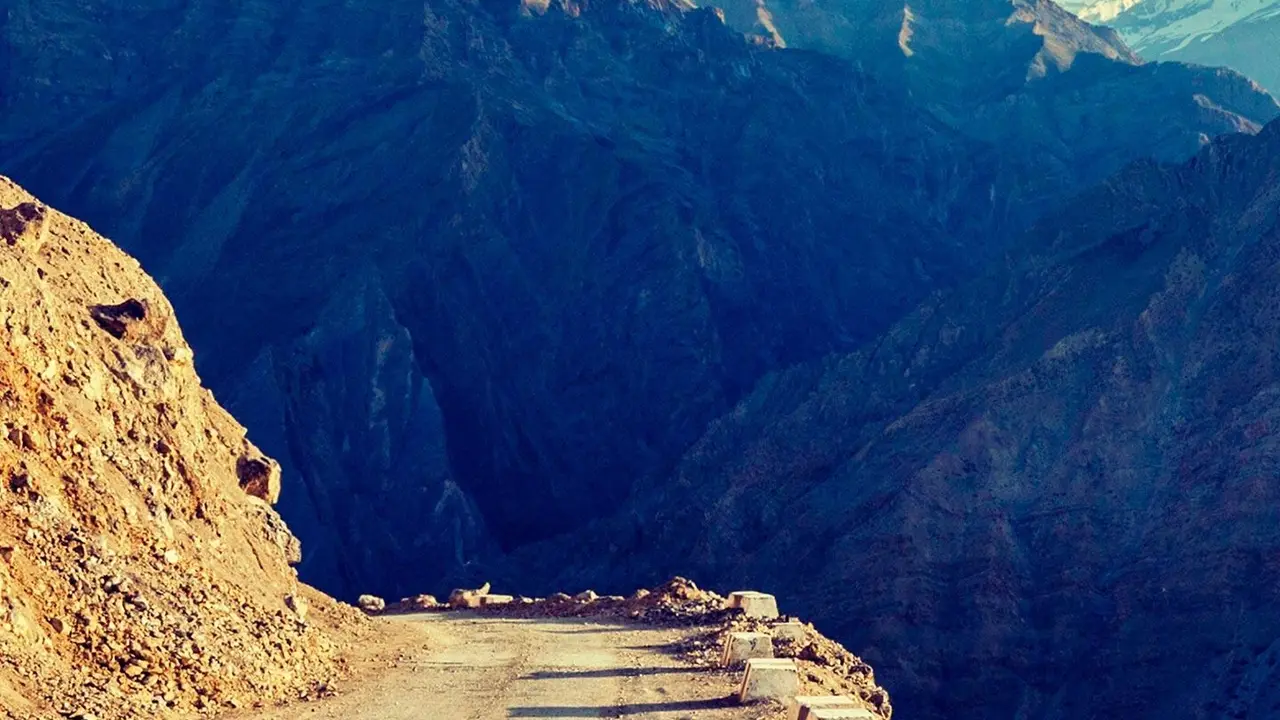
Autumn in Spiti is a season of transition. While September offers clear skies and golden landscapes, October sees temperatures drop sharply, with a real risk of snowfall on high passes. The most crucial decision is your route. The road from Shimla via
Kinnaur offers a gradual ascent, which is far better for acclimatisation and generally stays open longer. The route from Manali via the Atal Tunnel and Kunzum Pass (4,551 metres) is faster but involves a rapid gain in altitude, increasing the risk of Acute Mountain Sickness (AMS). After mid-October, the Manali-Kaza highway often closes due to snow, making the Shimla route the only reliable option. Always check the latest road status from official sources like the Border Roads Organisation (BRO) before you start.
Vehicle Readiness is Non-Negotiable
Your vehicle is your lifeline in Spiti's remote terrain. Before you leave, conduct a thorough check-up. Ensure your tyres have good tread, check all fluid levels (including antifreeze), and test your battery, brakes, and heater. For a Spiti journey, a vehicle with good ground clearance is highly recommended, as you will encounter rough patches and potential water crossings, especially on the Manali side. Pack a basic toolkit, a puncture repair kit, a tow rope, and jumper cables. Since fuel stations are scarce, always top up your tank when you get a chance, particularly in Reckong Peo (Shimla route) or Tandi (Manali route), as these are the last reliable pumps before Kaza. Driving at night is extremely dangerous due to narrow roads and the potential for black ice, so plan to reach your destination well before sunset.
Combatting Acute Mountain Sickness (AMS)
Altitude sickness is a serious risk in Spiti, where you’ll be consistently above 3,500 metres. AMS is not related to fitness and can affect anyone. The golden rule is gradual ascent. If taking the Shimla route, plan for overnight stays in places like Kalpa (around 2,960 metres) and Tabo (3,280 metres) to allow your body to adjust. The key to prevention is hydration—aim to drink 3-4 litres of water daily. Avoid alcohol, smoking, and heavy meals for the first few days at altitude. Symptoms of AMS include persistent headache, nausea, dizziness, and extreme fatigue. If you experience these, do not ascend further. Rest at your current altitude, and if symptoms persist or worsen, the only cure is immediate descent to a lower elevation. It’s wise to carry a basic medical kit including medication for headaches, nausea, and AMS (like Acetazolamide), but consult your doctor before taking any prescription drugs.
Pack in Layers for Extreme Temperatures
Spiti's weather is unpredictable. Autumn days can be sunny and pleasant, but temperatures plummet as soon as the sun sets, often dropping below freezing. The key is layering. Your packing list must include thermal innerwear, a fleece or down mid-layer, and a windproof, waterproof outer jacket. Don't forget woollen socks (multiple pairs), warm gloves, a beanie or woollen cap, and a neck gaiter or muffler. Due to the high altitude, the sun's UV rays are harsh, so high-SPF sunscreen (SPF 50+), lip balm, and UV-protection sunglasses are essential, regardless of the temperature. Sturdy, comfortable, waterproof shoes with good grip are a must for navigating the uneven terrain.
Essentials for a Smooth Journey
Beyond clothing, several items are crucial for a hassle-free trip. Mobile connectivity is patchy; a post-paid BSNL or Jio SIM card generally offers the best coverage in Kaza and surrounding areas, but don't expect a signal everywhere. Download offline maps on your phone before you lose connectivity. ATMs are few and often out of cash, so carry enough currency for your entire trip from a major town like Shimla or Manali. Power cuts can be frequent, making a high-capacity power bank essential for charging your devices. Also, pack a flask to carry hot water or tea, which can be a great comfort during long, cold drives. Finally, carry your personal medications, a first-aid kit, valid ID proofs, and all vehicle documents in a waterproof pouch.