




Defining the 'Ultra-Processed' Label
First, what exactly makes a food 'ultra-processed'? The term comes from the NOVA classification system, developed by Brazilian researchers. It divides foods into four groups based on their level of industrial processing. Unprocessed foods are things like
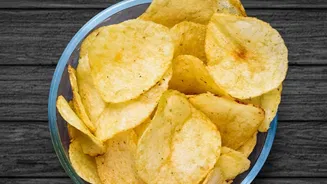
fresh fruit, vegetables, and meat. Processed foods have been altered slightly, like canned beans or cheese. Ultra-processed foods, however, are industrial formulations you can't make at home. They often contain additives like emulsifiers, flavourings, and colours, and undergo processes like extrusion or moulding. Think packaged snacks, sugary sodas, instant noodles, and many ready-to-eat meals.
What the New Evidence Shows
Recent research continues to build a case against high consumption of UPFs. A massive umbrella review published in The BMJ found consistent evidence linking higher UPF intake to an increased risk of 32 different health problems. This included a roughly 50% increased risk of death from cardiovascular disease and a 48-53% higher risk of anxiety. Other recent studies have specifically highlighted these dangers. One study presented at the NUTRITION 2026 conference found that four out of five foods marketed to toddlers are ultra-processed, with many failing to meet WHO nutritional standards. Researchers have also drawn strong links between UPF consumption and a higher risk of heart attack and stroke, prediabetes in young adults, and even some cancers. These associations often remain even after scientists account for the high levels of sugar, salt, and fat these foods typically contain.
Why the Debate Is So Contentious
If the evidence seems so strong, why is there still a debate? Critics argue that the 'ultra-processed' category is too broad and sometimes unhelpful. It lumps together products like sugary sodas and packaged cookies with potentially healthier options like whole-grain breads or fortified cereals. Some nutrition experts argue that the overall nutritional quality of a person's diet is more important than the level of processing alone. A recent study suggested that a healthy diet high in plant-based UPFs was better than an unhealthy diet of minimally processed foods. The debate is also complicated by industry influence. An investigation found that food corporations have used lawsuits to slow down or weaken public health policies aimed at curbing UPF consumption.
Navigating Your Own Grocery Cart
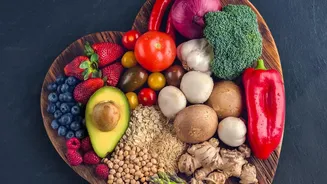
For the average person, this can all feel confusing. The key takeaway from experts isn't necessarily to ban all UPFs, which can be unrealistic and add to food stress. Instead, the focus should be on reducing reliance on them and improving overall diet quality. A practical approach involves reading labels to understand what's in your food. Prioritizing whole and minimally processed foods—like fresh fruits, vegetables, legumes, and whole grains—is a well-established path to better health. When you do choose processed items, compare labels and opt for those with simpler ingredient lists and lower levels of added sugar, sodium, and unhealthy fats. The goal is not perfection, but a shift in balance towards a diet based more on whole foods and less on industrial formulations.