
The Overlap Philosophy
Ingredient overlap is a simple but powerful strategy: intentionally choose recipes that share key components. Instead of seven different shopping lists for seven dinners, you build your week around a few versatile heroes—a protein, a couple of sturdy
vegetables, and a grain. This immediately leads to tighter grocery lists, less food waste, and faster shopping. The goal isn't to eat the same thing all week, but to use your ingredients with purpose, recognizing that each one can play multiple roles in your kitchen. It’s a shift in mindset that saves both money and time.
Think in Components, Not Just Meals
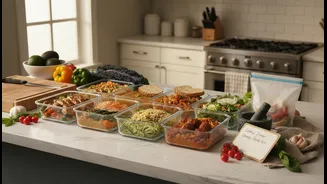
One of the best ways to avoid the dreaded feeling of repetitive meals is to stop prepping entire dishes in huge batches. Instead, prepare flexible building blocks. For example, at the start of the week, you might roast a whole chicken, cook a large batch of quinoa, and wash and chop a head of broccoli. On Monday, these components can become a classic roast dinner. On Tuesday, leftover chicken can be shredded for tacos, and on Wednesday, the quinoa can serve as the base for a stir-fry with the broccoli. This approach keeps your food fresh and your palate interested, as you assemble different meals daily rather than reheating the same one.
Master the Method Swap
The key to making one ingredient feel new and exciting is to change how you cook it. A single head of cauliflower, for instance, has endless potential. You can cut it into florets and roast it with spices for a hearty side dish. You can steam it and purée it into a creamy, velvety soup. You could also grate it raw to create a light, grain-free “rice” for a salad bowl, or slice it into thick "steaks" for grilling. Similarly, potatoes can be boiled for a salad, mashed for a comforting side, or fried into crispy pancakes. By varying your cooking method, you transform the ingredient’s texture and flavour, ensuring that your meals never feel monotonous.
Versatile Heroes for Your Kitchen
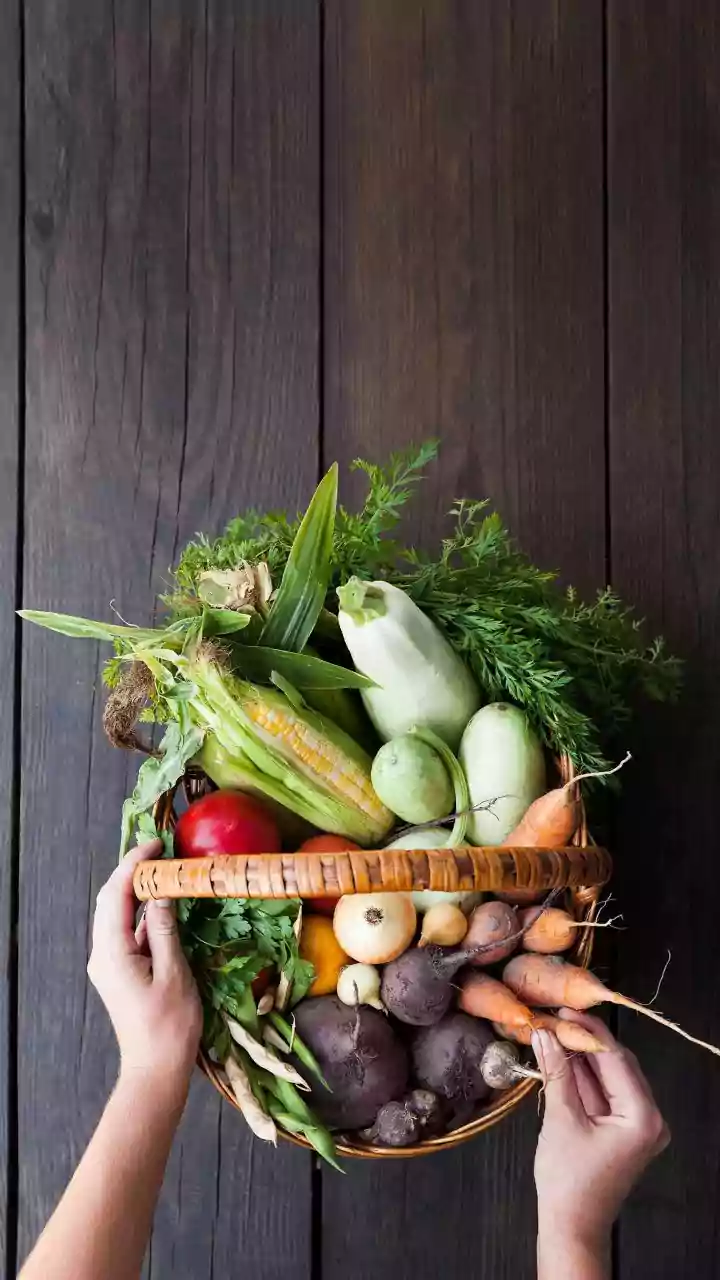
Some ingredients are naturally more versatile than others, making them perfect candidates for this style of cooking. Potatoes, mushrooms, bell peppers, and cabbage are all excellent chameleons in the kitchen. They can absorb a wide range of flavors and be cooked in numerous ways. For proteins, consider chicken, black beans, or chickpeas, which work well across various cuisines. Having a pantry stocked with versatile sauces and spice blends is also crucial. A base tomato sauce can become a pasta sauce one night and a curry base the next with a few simple additions. Thinking about which ingredients give you the most flexibility is a cornerstone of this efficient cooking style.
Turn Scraps into Stars
Truly embracing this philosophy means cooking from root-to-stem and nose-to-tail, minimizing what ends up in the bin. Many parts of vegetables that are commonly discarded are packed with flavor and nutrients. Onion skins, carrot peels, and celery ends can be saved in a freezer bag and later simmered to create a rich, homemade vegetable broth. Stale bread can be turned into croutons or breadcrumbs, while wilted herbs can be blended into pesto or a compound butter. Even overripe bananas or mushy berries can be rescued and transformed into delicious baked goods or fruit compotes. This “scrappy cooking” approach not only fights food waste but also unlocks new creative possibilities in your kitchen.