





The Small Space Revolution
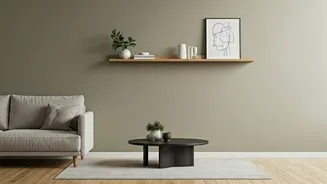
Look around any modern Indian apartment in a metro city, and you'll notice a common theme: space is the ultimate luxury. As urbanisation continues and more people move into compact city dwellings, the days of sprawling, single-purpose furniture are numbered.
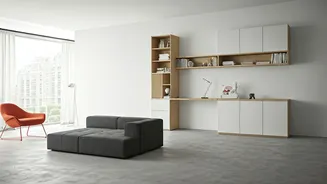
The traditional, heavy wooden sofa set that only served for seating, or the massive dining table used just twice a day, are making way for nimbler, harder-working alternatives. This isn't just about minimalism; it's about practicality. Rising real estate costs mean that families and young professionals are making the most of smaller footprints. Every square inch counts, and furniture designers have responded with ingenious solutions that reclaim unused space and make compact living feel expansive and organised.
One Room, Multiple Lives
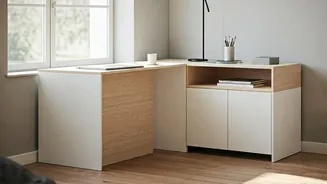
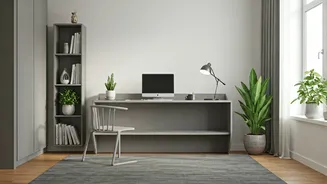
The pandemic permanently blurred the lines between our personal and professional lives, and our homes were the primary stage for this shift. The living room became a boardroom, the bedroom an office, and the balcony a yoga studio. This dramatic change in how we use our domestic spaces created an urgent demand for furniture that could adapt on the fly. A simple desk was no longer enough; we needed workstations that could be tucked away after 5 PM to restore a sense of home. Dining tables needed to double as conference tables, and coffee tables needed to rise to become comfortable laptop desks. This need for versatility has supercharged the trend towards multifunctionality, pushing manufacturers to create pieces that can seamlessly transition between work, rest, and play within the same room.
Smarter by Design: Key Examples
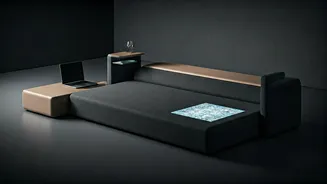
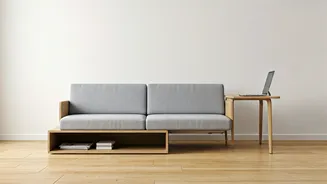
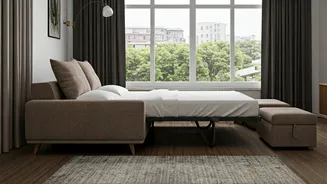
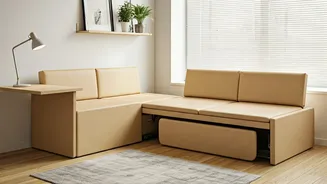
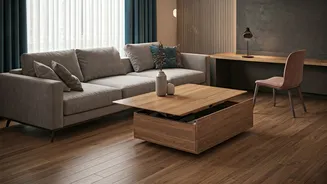
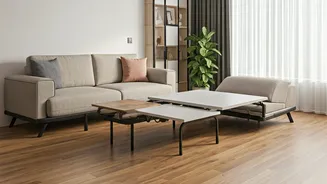
So, what does this new generation of functional furniture look like? It's all about clever mechanics and hidden potential. Think of sofa-cum-beds, a classic example now re-engineered with smoother mechanisms and better mattresses, making them genuine dual-use items. Then there are beds with hydraulic lift-up storage, revealing a massive cavity perfect for stowing away seasonal bedding and luggage. Wall-mounted foldable tables and desks are becoming staples in studio apartments, providing a sturdy surface when needed and virtually disappearing when not. Coffee tables with pop-up tops offer both hidden storage and an ergonomic height for working or eating. Even smaller items like nesting tables, which can be stacked or spread out as needed, embody this philosophy of adaptable, space-conscious design.
Beyond Just Saving Space
While maximising space is the primary driver, the appeal of functional furniture goes deeper. There’s a strong element of sustainability at play. Instead of buying three separate pieces—a desk, a dining table, and a console—a single, well-designed convertible piece reduces material consumption and manufacturing footprint. Aesthetically, this approach fosters a cleaner, less cluttered environment, which has a proven positive impact on mental well-being. A room with fewer, smarter pieces feels more open and serene. Furthermore, technology is being integrated directly into furniture. Many modern pieces now come with built-in USB charging ports, wireless charging pads, and even Bluetooth speakers, transforming a simple side table or sofa armrest into a smart-home hub. It's not just about what a piece does, but how it enhances our connected lifestyle.
A Shift in the Indian Mindset
This trend also reflects a significant cultural shift in India. For generations, furniture was seen as a permanent, often inherited, fixture—heavy, ornate, and built to last a lifetime. While the appreciation for craftsmanship remains, younger consumers, particularly millennials and Gen Z, prioritise flexibility and mobility. They may move cities for work, live in rented accommodations, and prefer lifestyles that are not tied down by heavy possessions. This demographic values design that is light, modular, and adaptable to different living situations. They are more likely to invest in a smart, modular sofa that can be reconfigured for a new apartment than a monolithic heirloom piece. This change in consumer mindset is pushing the entire Indian furniture industry, from large corporations to boutique startups, to innovate and cater to a new definition of 'home'.