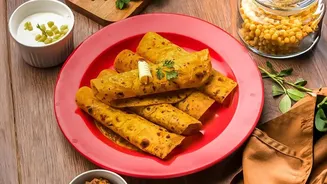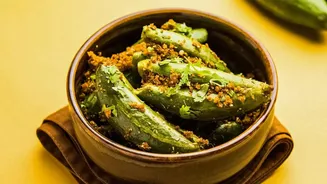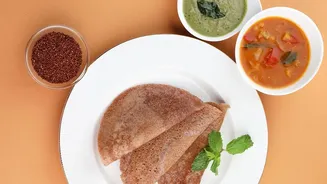








As a chill enters the air, our cravings turn to meals that offer warmth and comfort. Winter is a time for food that not only tastes good but also makes you feel good. Here are six satisfying staples to add to your everyday winter rotation.
Sarson ka Saag
No winter menu
in North India is complete without this iconic dish. Made from mustard greens (sarson), often blended with spinach or bathua (chenopodium), Sarson ka Saag is a powerhouse of nutrients. Mustard greens are rich in antioxidants and vitamins A, C, and K, which are essential for boosting immunity during the colder months. The greens also have anti-inflammatory properties and are a great source of dietary fibre, which aids digestion. Traditionally slow-cooked to a creamy consistency and tempered with garlic and onions, it is famously paired with Makki di Roti (maize flour flatbread) and a dollop of white butter. This combination is not just a treat for the taste buds but a truly warming and wholesome meal.
Gajar ka Halwa
The arrival of winter brings with it the vibrant red carrots used to create this beloved dessert. Gajar ka Halwa is a quintessential sweet, slow-cooked with grated carrots, milk, ghee, and sugar until it reaches a rich, fudgy texture. While it is a dessert, its core ingredient, the carrot, is packed with beta-carotene, a form of Vitamin A that supports the immune system. The addition of ghee provides healthy fats, while nuts like almonds and pistachios offer extra nutrients and a delightful crunch. Served warm, it’s the perfect comfort food to cap off a winter meal, providing both indulgence and a touch of seasonal nutrition.
Bajra Khichdi
Pearl millet, or bajra, is a grain celebrated for its warming properties, making it an ideal staple for winter. Bajra Khichdi is a rustic and deeply satisfying one-pot meal, particularly popular in Rajasthan and Gujarat. The millet is cooked with lentils (dal) and a medley of seasonal vegetables, creating a dish that is both nutritious and easy to digest. Bajra is gluten-free and a great source of complex carbohydrates, which provide sustained energy to combat winter lethargy. It is also rich in essential minerals like iron and magnesium, which help fight fatigue and support muscle function. A warm bowl of this khichdi, drizzled with ghee, is the definition of simple, hearty comfort.
Undhiyu
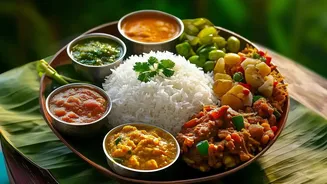
This Gujarati specialty is a true celebration of winter's bounty. The name 'Undhiyu' comes from the Gujarati word 'undhu', meaning 'upside down', which refers to the traditional method of cooking the dish in an inverted clay pot over a fire. It’s a complex and flavourful mixed vegetable casserole that features a variety of seasonal produce like surti papdi (hyacinth beans), purple yam, sweet potatoes, and baby eggplants. These vegetables are slow_cooked with 'muthia' (spiced fenugreek dumplings) and a paste of coconut, peanuts, and spices. The result is a dish with a perfect balance of sweet, spicy, and earthy flavours that provides a wide range of vitamins and fibre from the diverse vegetables used.
Gond ke Ladoo
These are not just sweets; they are energy_packed spheres designed to keep you warm and strong through the winter. The star ingredient is 'gond', or edible gum, a natural resin known for its heating properties. When fried in ghee, the gond puffs up and is then combined with whole wheat flour, jaggery or sugar, and a generous amount of nuts and seeds. These ladoos are traditionally given to new mothers for recovery but are beneficial for everyone during winter. They are believed to strengthen bones, lubricate joints, and boost immunity. One or two of these nutritious ladoos with a glass of milk can be a perfect start to a chilly day.
Panjiri
Another traditional winter powerhouse, Panjiri is a loose, crumbly mixture made from whole wheat flour roasted in ghee with sugar, nuts, and edible gum. It's a highly nutritious supplement that generates heat in the body and provides a significant energy boost. Often hailed as a superfood, Panjiri is packed with healthy fats, protein, and nutrients that help fortify the immune system against seasonal colds and coughs. It is also known to help soothe sore muscles and body aches that can be more common in the colder months. Eaten by the spoonful or rolled into ladoos, it’s a versatile and delicious way to stay nourished and warm.