



The RBI's Big Picture Outlook
In its latest monetary policy announcement on August 5, the RBI's Monetary Policy Committee (MPC) decided to keep the key repo rate unchanged at 5.25 percent. More notably, it lowered its projection for Consumer Price Index (CPI) inflation for the financial
year 2026-27 to 5.0% from 5.1%. The central bank also presented a robust picture of the economy, upgrading the GDP growth forecast to 6.7%. On the surface, these figures suggest that the economy is resilient and that overall price pressures are easing slightly, giving the RBI confidence to hold rates steady while it adopts a wait-and-watch approach.
The Tale of Two Inflations
So, if the overall inflation forecast is down, why doesn't it feel that way? The answer lies in the difference between 'headline' inflation and 'food' inflation. Headline inflation is the overall number you see in the news, an average of price changes across a wide basket of goods and services. Food and beverages, however, make up a massive 45.86% of this basket, meaning they have an outsized impact on both the official number and your wallet. The RBI Governor himself acknowledged that the current price pressures are largely concentrated in food and fuel, with core inflation (which excludes these volatile items) remaining moderate at a projected 4.3%. This is the statistical gap where the headache for consumers lives: the big number might look better, but the prices of essential food items are marching to their own, much faster, beat.
Why Your Grocery Bill Remains High
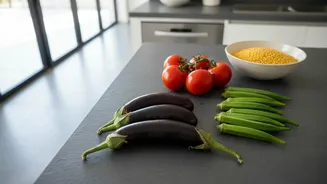
The RBI explicitly pointed to supply-side shocks as the main culprits behind rising food costs. This is not a new problem for India, which is highly vulnerable to such shocks. Several factors are at play. An uneven southwest monsoon and the looming risk of El Niño can impact crop output and distribution. Volatile global commodity and energy prices, influenced by geopolitical events, increase the cost of everything from transport to fertilizer. Inefficiencies in the supply chain, from farm to fork, including poor storage and transport infrastructure, also add to the final price consumers pay. Recent reports show that inflation remains broad-based across essentials like onions, pulses, and edible oils, creating persistent pressure on household budgets.
What This Means For Your Money
The RBI's decision to hold interest rates steady is a direct consequence of this split narrative. Since the inflation is primarily driven by supply issues (which rate hikes can't fix) rather than runaway consumer demand, the central bank is choosing to 'look through' the temporary food price surge for now. For the average person, this means a few things. First, borrowing costs for home or car loans are unlikely to change in the immediate future. Second, and more importantly, there will be no quick relief from expensive groceries. The RBI expects headline inflation to rise in the near term, peaking at 5.9% in the third quarter (October-December) before potentially easing. This indicates that the strain on kitchen budgets is set to continue, especially heading into the festive season.