






Myth: You Need Protein Powder to Build Muscle
While protein is essential for muscle repair and growth, supplements are a convenience, not a requirement. The body doesn't differentiate between protein from a chicken breast and protein from a whey shake; it just wants the amino acids. Powders offer
a quick, easily digestible source of these building blocks, which is useful after a workout. However, you can absolutely meet your protein needs and build muscle through whole foods like meat, fish, eggs, dairy, and legumes alone. A supplement simply helps fill the gap if your diet falls short or your schedule is tight.
Myth: Protein Powder Will Make You Bulky
This is a persistent fear, especially among women, but it's largely unfounded. Gaining significant muscle mass, or 'bulking up', requires a combination of intense, progressive strength training and a consistent calorie surplus—meaning you eat more calories than you burn. A protein shake on its own doesn't contain the magic ingredients for bulk. In fact, because protein promotes satiety, it can support weight management goals by keeping you feeling full. For women, building large muscles is physiologically more difficult due to lower testosterone levels.
Myth: All Protein Powders Are Created Equal
The supplement aisle tells a different story. The most common types are whey, casein, and plant-based proteins, and they function differently. Whey is a fast-digesting milk protein, ideal for post-workout recovery because it delivers amino acids to muscles quickly. Casein, another milk protein, digests slowly over several hours, making it a good option before bed to prevent muscle breakdown overnight. Plant-based proteins (like soy, pea, and rice) are great for vegans or those with lactose intolerance. While some individual plant proteins are not 'complete' (lacking all essential amino acids), most commercial products blend different plant sources to create a complete profile.
Myth: High-Protein Diets Damage Your Kidneys
This is one of the most widespread and concerning myths, but for most people, it's false. In individuals with healthy, functioning kidneys, studies have not shown that a high protein intake causes damage. The kidneys' job is to filter waste products from protein metabolism, and in a healthy person, they adapt to a higher workload. The confusion arises because people with pre-existing chronic kidney disease (CKD) are often advised to limit protein. In a compromised kidney, a high-protein load can accelerate damage, but the protein itself is not the initial cause of the disease.
Myth: Protein Shakes Are a Perfect Meal Replacement
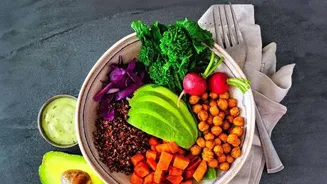
While a protein shake is better than nothing in a pinch, it cannot replace the nutritional complexity of a whole-food meal. Whole foods provide fibre, vitamins, minerals, and phytonutrients that are often missing from a scoop of powder. Relying too heavily on shakes can lead to nutritional gaps. Some products are marketed as meal replacements and are fortified with extra nutrients, but a diet centred on whole foods should always be the priority for long-term health.
Myth: Protein Powders Are Unsafe and Full of Contaminants
This myth has a basis in reality. Because supplements are not as tightly regulated as pharmaceuticals, quality can vary. Studies have found that some protein powders contain contaminants like heavy metals (lead, arsenic, cadmium), BPA, and pesticides. These substances are often absorbed by plants from the soil and water, which means even organic, plant-based powders can have higher levels. This doesn't mean all powders are dangerous, but it highlights the importance of choosing reputable brands that use third-party testing to verify the purity and safety of their products.