







The Wisdom of the Shravan Diet
The month of Shravan, which in 2026 begins around July 30th for North India, is dedicated to Lord Shiva and coincides with the peak of the monsoon season. This period is marked by fasts, particularly on Mondays, and a distinct change in what people eat.
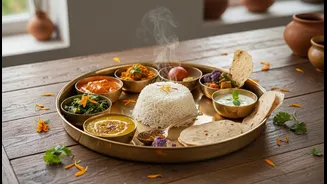
The traditional Shravan diet is predominantly 'Sattvic', a term rooted in Ayurveda that refers to foods that are pure, light, and easy to digest. This means a temporary farewell to non-vegetarian foods, eggs, onions, and garlic. The focus shifts to fresh fruits, dairy products, specific flours, and a bounty of seasonal vegetables. This dietary pivot is not merely spiritual; it's deeply connected to the body’s needs during the rainy season, when the digestive system is considered to be weaker and more susceptible to infections.
Ayurveda and the Monsoon Connection
According to Ayurveda, the monsoon or 'Varsha Ritu' is a time when the digestive fire, known as 'Agni', is naturally diminished. The high humidity can aggravate the 'Vata' dosha (the energy of air and space), leading to issues like bloating, indigestion, and general sluggishness. The Sattvic diet prescribed during Shravan directly addresses this. By eliminating heavy, difficult-to-digest (Tamasic) foods like meat and pungent (Rajasic) foods like onions and garlic, the diet gives the digestive system a much-needed break. Instead, it promotes meals that are warm, freshly cooked, and lightly spiced. This ancient practice is a form of seasonal cleanse, helping to reset the body, boost immunity, and maintain balance when the weather makes us most vulnerable to illness.
Monsoon's Vegetable Bounty
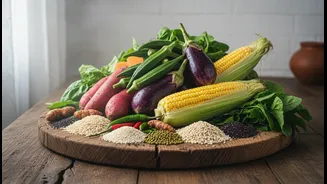
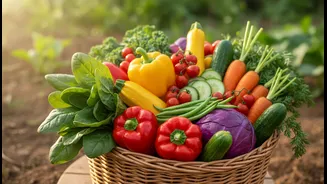
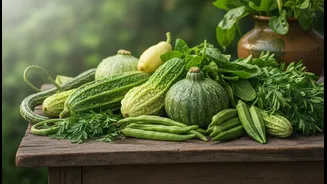
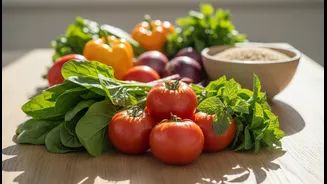
The true stars of the Shravan plate are the vegetables that thrive during the monsoon. Nature provides exactly what our bodies need, and this season's produce is perfectly suited for a lighter diet. Gourds are particularly prominent and beneficial. Bottle gourd (lauki), ridge gourd (turai), and bitter gourd (karela) are hydrating, easy to digest, and packed with nutrients. Lauki is known for its cooling properties, while karela, despite its bitterness, is celebrated for its blood-purifying and immunity-boosting benefits. Other excellent choices include pumpkin, cucumber, and cluster beans (gavar). While some traditions advise caution with leafy greens due to the risk of pests in the rains, thoroughly washed and well-cooked spinach (palak) can be a great source of iron. Tubers like potatoes and sweet potatoes also feature heavily in fasting meals, providing essential energy.
Simple Ways to Embrace Seasonal Eating
Incorporating these vegetables into your meals is simple and delicious, whether you are observing a strict fast or not. A classic lauki sabzi, cooked with tomatoes and mild spices like cumin and coriander, is both comforting and gentle on the stomach. Bitter gourd can be made more palatable by stir-frying it with potatoes or in a stuffed preparation. Soups made from pumpkin or mixed vegetables are a fantastic way to stay warm and nourished. For those fasting, potatoes and sweet potatoes can be boiled and lightly sautéed with rock salt (sendha namak) and black pepper. Even simple dishes like khichdi, often made with fast-friendly grains like Samak rice (barnyard millet), can be elevated with the addition of these seasonal vegetables, making for a wholesome and complete meal that aligns perfectly with the principles of Shravan.