







Decoding the ‘Idli Gap’
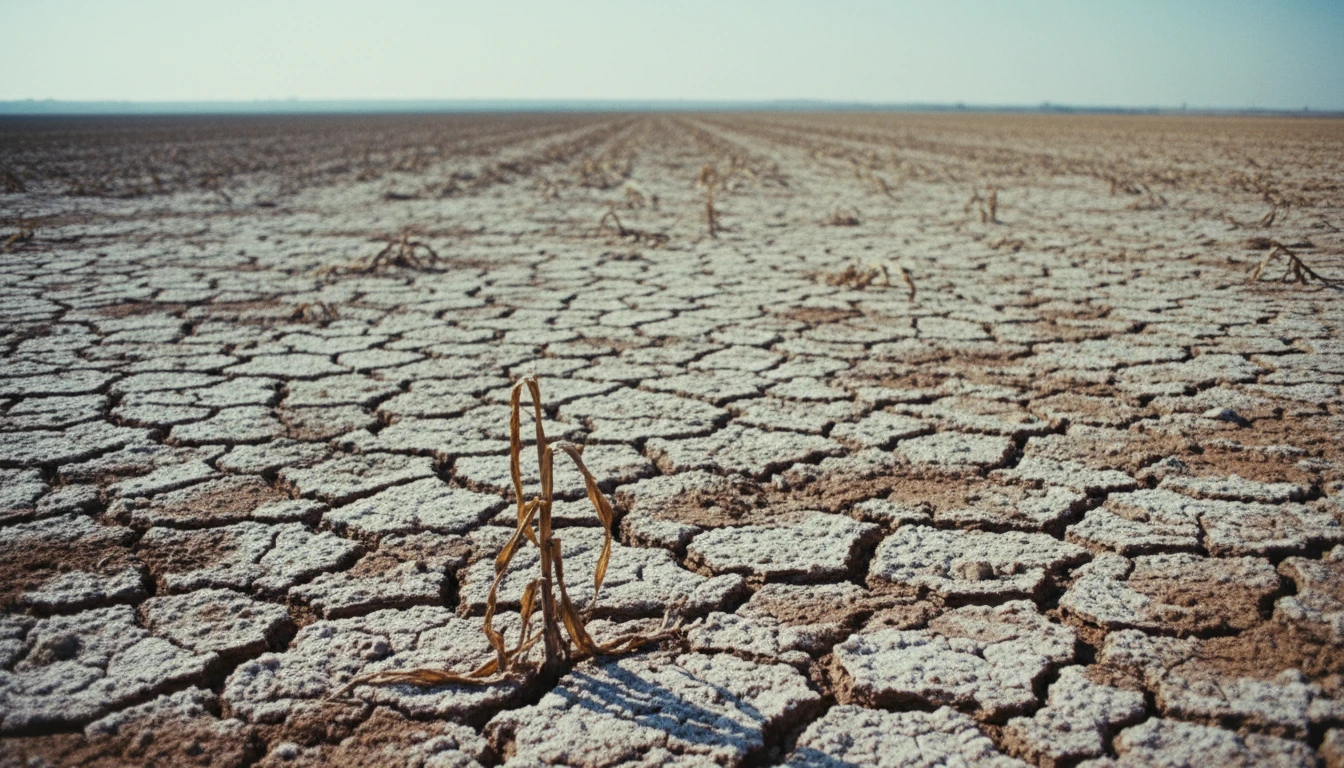
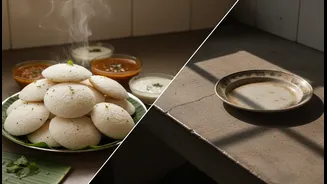
The 'Idli Gap' isn't about a sudden disappearance of your favourite breakfast. Instead, it’s a term that captures a looming crisis predicted for 2026: a significant shortfall in the production of its core ingredients, rice and urad dal (black gram). This
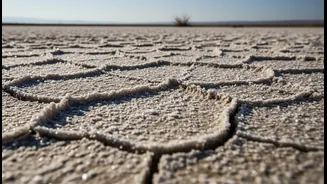
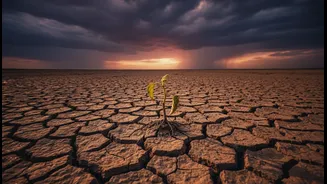
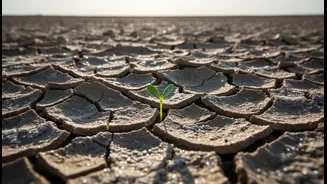
potential gap is driven by a combination of climate change, shifting agricultural practices, and economic pressures. Recent reports indicate that a developing El Niño pattern is expected to suppress India's crucial southwest monsoon, threatening the output of water-intensive crops like paddy. This has led agricultural bodies to advise farmers to switch to more drought-resistant crops, signalling a potential future squeeze on the staples that form the very foundation of idli.
The Urad Dal Dilemma
A major part of the problem lies with urad dal. Recent data from 2026 shows a worrying trend: the sowing area for urad dal has already dropped significantly, by some estimates as much as 40 percent. This is because the crop is highly sensitive to weather fluctuations, making it a risky bet for farmers dealing with delayed or weak monsoons. Many are shifting to more stable crops like soybean and maize. Even with the government increasing the Minimum Support Price (MSP) for urad dal, market prices have soared past it, indicating that demand is heavily outstripping domestic supply. As a result, India's reliance on imported urad dal is growing, making the price of this key idli ingredient vulnerable to global market changes.
Rice Under Pressure
While some experts believe India's overall rice production may remain stable due to large buffer stocks and well-developed agricultural infrastructure, there are concerning signs. The 2026 kharif (monsoon crop) sowing season has started slowly, with El Niño's shadow raising concerns about rainfall. Furthermore, data from early 2026 already showed a decline in summer rice acreage compared to the previous year, as farmers weigh water availability and the profitability of other crops. The advisory for farmers to move away from water-guzzling paddy in key rain-fed agricultural belts across states like Maharashtra, Karnataka, and Uttar Pradesh could further tighten the availability of the specific types of rice ideal for making soft, fluffy idlis.
What This Means For Your Kitchen
For the average person, the 'Idli Gap' will likely be felt in the wallet. A simultaneous shortfall in rice and urad dal would inevitably lead to price inflation for these staples. Historical data from past El Niño years shows that food inflation can spike significantly within months of a weak monsoon. Your morning plate of idlis could become more expensive, whether you make them at home or buy them from a local vendor. The ready-to-cook batter market, currently a massive and growing industry valued at over ₹4,600 crore in 2026, would also face pressure, potentially passing on higher ingredient costs to time-strapped urban consumers. This could slowly shift idli from an everyday staple to a more considered, less frequent meal.
Are There Any Solutions?
The situation, while serious, is not without potential solutions. Agricultural advisories are proactively encouraging farmers to plant drought-tolerant crops, including different varieties of pulses and hardy millets. There is a growing movement to explore millets as an alternative to rice in traditional recipes like idli and dosa. These 'climate-smart' crops are more resilient to heat and drought, have a lower carbon footprint, and are highly nutritious. As consumers, being more aware of the agricultural journey of our food can also drive change. While the 'Idli Gap' highlights a vulnerability in our food system, it also opens up a conversation about sustainable farming and dietary diversification, ensuring that future generations can also enjoy India's rich culinary heritage.