




The New Mission: Science and Sustainability
For fifty years, human exploration of the Moon has been a story told in the past tense. The Artemis program changes that, but its true significance isn't just returning—it's staying. Unlike the Apollo missions, which were short, politically driven sprints,
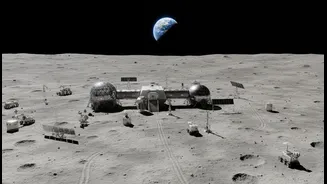
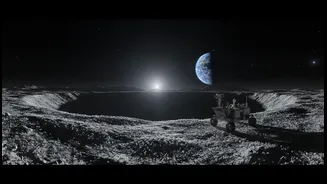
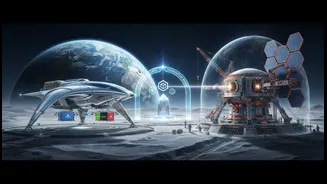
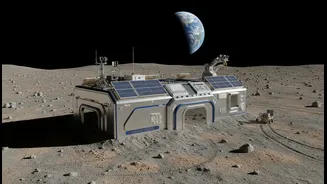
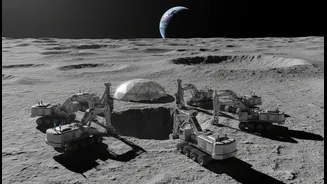
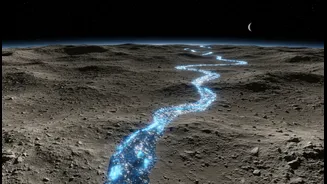
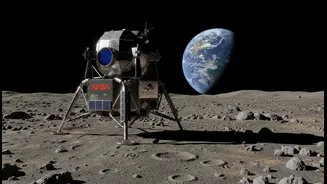
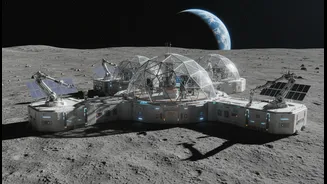
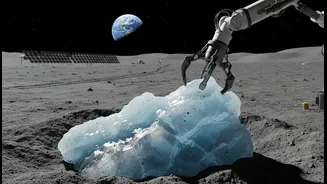
Artemis is designed as a long-term campaign to establish a permanent human presence on the Moon. This new era is defined by a deep focus on science and sustainability. NASA's plan involves building an Artemis Base Camp near the lunar south pole, a region believed to hold vast quantities of water ice in permanently shadowed craters. This water is a game-changing resource. It can provide drinking water and breathable air for astronauts, and it can be broken down into hydrogen and oxygen—the primary components of rocket fuel. This concept, known as in-situ resource utilization (ISRU), is central to making the Moon a stepping stone to Mars and beyond. The program is a multi-phased international and commercial collaboration aimed at creating a lasting outpost for research and exploration.
For the Space Reader: A Real-Time Scientific Saga
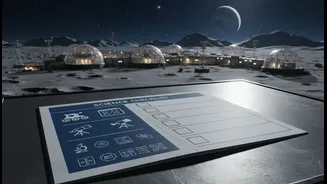
If you follow space exploration, the narrative is about to get much richer. The days of grainy Apollo footage are being replaced by a constant stream of high-definition data and discovery. The scientific objectives for Artemis are ambitious and broad. They include understanding planetary processes, interpreting the impact history of the Earth-Moon system, and studying lunar polar volatiles (like water ice). This means a shift from singular, dramatic events to a continuous story of exploration. Instead of just launch days and landings, mission followers will be tracking long-term experiments and the gradual construction of the Moon Base. Astronauts will deploy sophisticated instrument packages, such as seismometers to study moonquakes and spectrometers to analyze the composition of the lunar soil, or regolith. These tools will provide unprecedented insights into the Moon's geology and its potential to support human life. It’s a new chapter where humanity becomes a multi-planetary species, one experiment at a time.
For the Engineering Student: The Ultimate Design Challenge
For aspiring engineers, the Artemis program is a living catalog of the field's most exciting challenges. Building and sustaining a habitat 240,000 miles from Earth requires groundbreaking innovation across numerous disciplines. Key areas include developing new life support systems that can operate flawlessly for extended durations and creating advanced power systems, likely including nuclear fission, to survive the harsh lunar environment. There's a massive demand for new technologies in robotics, materials science, and autonomous systems. NASA is investing in everything from next-generation spacesuits to Lunar Terrain Vehicles (LTVs) that can be operated by astronauts or driven remotely. Student design challenges and university partnerships are actively feeding into the Artemis pipeline, offering tangible opportunities to contribute. For those studying aerospace, mechanical, electrical, or software engineering, the message is clear: NASA and its commercial partners are looking for the skills to build a future on the Moon. This is a chance to work on projects that solve real problems for off-world habitation.
For the Mission Follower: Key Tech to Watch
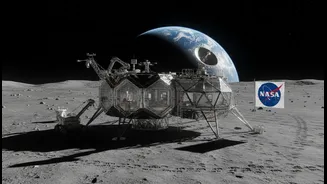
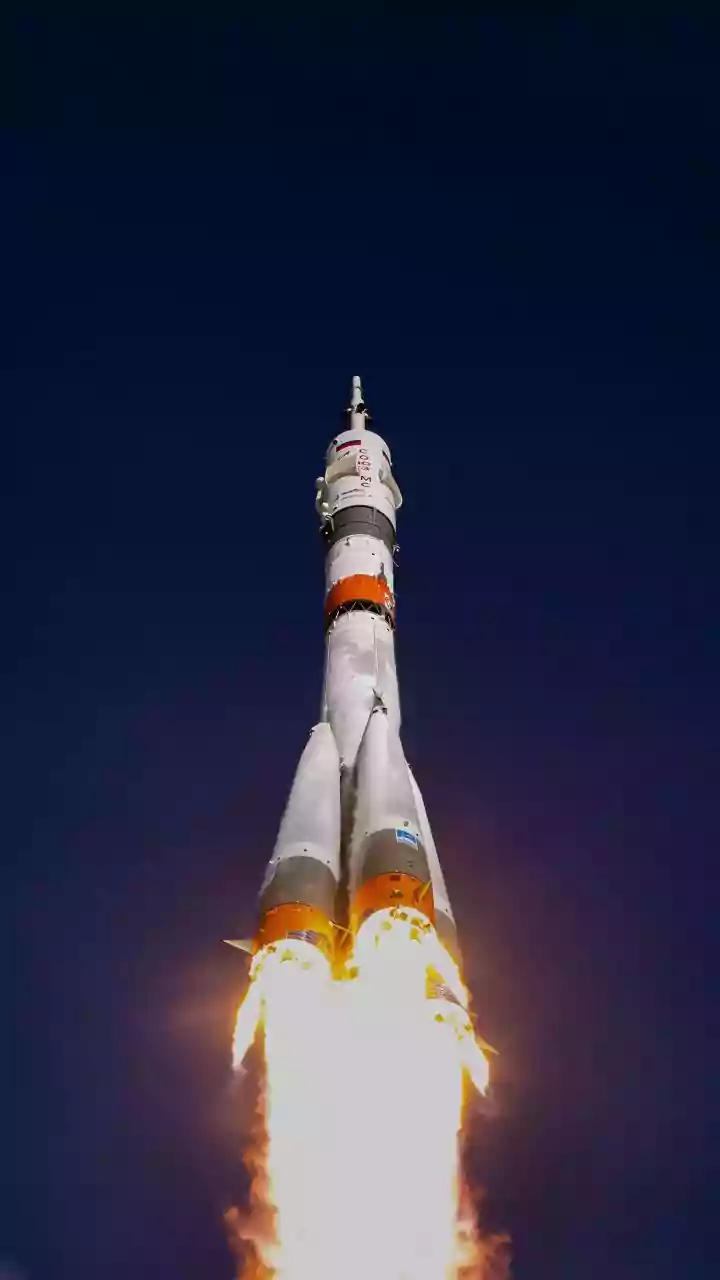
Keeping track of Artemis means following a complex interplay of new and heritage technology. The massive Space Launch System (SLS) rocket and the Orion crew capsule are the foundational pieces, having been tested during the uncrewed Artemis I and crewed Artemis II fly-by missions. But the real innovation lies in the hardware being developed for the surface. Watch for milestones in the Human Landing Systems (HLS) being built by commercial partners like SpaceX and Blue Origin. These are the vehicles that will finally ferry astronauts from lunar orbit to the surface. Another area to follow is the development of surface habitats and rovers. These aren't just incremental updates; they are designed for long-duration stays and extensive exploration. Early missions under the Commercial Lunar Payload Services (CLPS) initiative are already landing robotic missions to test technologies and scout locations. Following these smaller, often uncrewed, missions will give you a preview of the capabilities that will define the crewed landings and the eventual Moon Base.