





The Trend vs. The Reality
Walk through any home decor store or scroll through social media, and you will see them: thick, luxurious faux fur throws draped artfully over sofas and beds. They promise unparalleled softness and a sense of hygge-inspired comfort. While they look inviting,
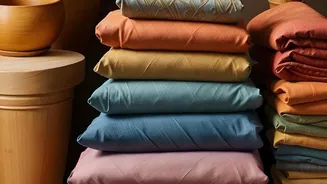
the reality for most Indian households is a climate defined by heat, humidity, and monsoons, with only a brief, mild winter in many regions. A heavy, synthetic faux fur blanket, designed to trap heat, often becomes a purely decorative item that is too warm for practical use. In contrast, a lightweight cotton throw offers a solution that is both stylish and suited to our environment.
Breathability: The Science of Comfort
The primary advantage of cotton is its breathability. Cotton is a natural cellulose fibre with a structure that allows air to circulate freely. This is crucial in warm and humid conditions because it helps regulate body temperature and prevents that clammy, sticky feeling. When you are lounging under a fan or in a lightly air-conditioned room, a cotton throw provides a sense of comfort without causing you to overheat. Faux fur, typically made from polyester or acrylic, does the opposite. Its dense pile is engineered to trap air and insulate, which is ideal for cold climates but can quickly become suffocating in an Indian summer or monsoon season. Cotton's ability to absorb moisture—up to 27 times its weight in water—also means it wicks sweat away from the skin, keeping you dry and comfortable.
Year-Round Versatility
One of the strongest arguments for cotton is its year-round utility. It is not just a summer accessory. During the monsoon, when the air is damp and sticky, a light cotton dohar or throw is the perfect covering. In an air-conditioned room that gets a little too chilly, it provides just the right amount of warmth without the bulk of a heavy blanket. Even in the milder winters experienced across much of south and central India, a cotton throw can be comfortably layered. A faux fur blanket, however, has a very limited window of use. It might feel appropriate for a few weeks in the peak of a North Indian winter, but for the rest of the year, it remains a folded, space-consuming accessory. Cotton’s adaptability makes it a far more practical and economical investment for the Indian home.
Maintenance and Durability
Practicality extends to care and maintenance. Cotton throws are generally machine washable and durable enough to withstand frequent cleaning, an important factor in dusty and humid environments. They dry relatively quickly and do not require special handling. Faux fur, on the other hand, demands more delicate care. High heat from a dryer can melt or mat the synthetic fibres, ruining its texture forever. It often requires washing on a gentle cycle with cold water, and air-drying is recommended, which can be a slow process. Some faux fur can also be prone to shedding, especially when new. For a household item that sees regular use, the low-maintenance nature of cotton is a clear advantage.
A Style That Feels Like Home
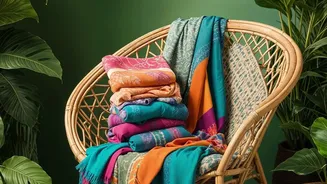
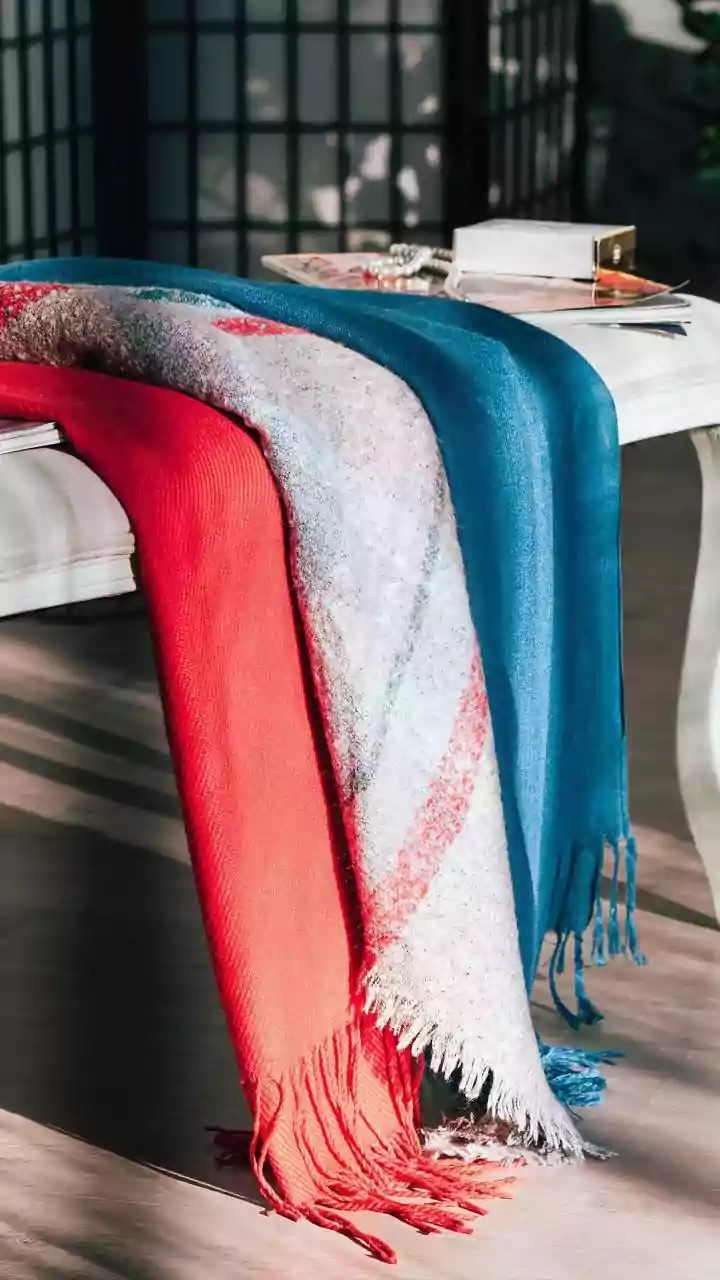
Beyond function, there is the matter of aesthetics. While faux fur offers a specific type of luxe look, cotton throws connect with a rich heritage of Indian textiles. From the feather-light mulmul dohars of Jaipur to handloom weaves and block-printed designs, cotton throws offer a spectrum of colours, patterns, and textures that feel authentic and modern. They can add a subtle, artisanal touch or a vibrant splash of colour to a room, complementing a wide range of interior styles from minimalist to bohemian. This variety allows you to express personal style in a way that is not just visually appealing but also deeply rooted in a tradition of breathable, comfortable living.