





The Golden Rule of UPI Payments
Before diving into specific scams, it's crucial to understand one fundamental principle: you only need to enter your UPI PIN to send money, not to receive it. Fraudsters exploit the common misconception that a PIN is needed for all transactions. If someone
asks you to enter your PIN to receive a payment, refund, or cashback, it is a scam. Genuine payments into your account require no action or PIN entry on your part. Remembering this simple rule is your first and most powerful line of defence against a wide variety of UPI frauds.
Decoding the QR Code Scam
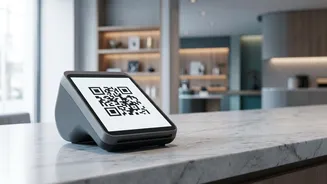
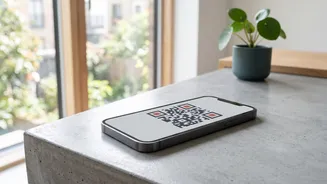
The QR code scam is one of the most prevalent forms of UPI fraud. Scammers send you a QR code via WhatsApp or another messaging platform, often under the guise of paying you for a product you're selling online or sending you a refund. They will instruct you to scan the code and enter your PIN to receive the money. However, scanning a QR code and entering your PIN is exclusively for making payments. When you do this, you are authorising a debit from your account, and the money is sent to the scammer. Another variation involves fraudsters placing their own QR sticker over a legitimate merchant's code at a physical shop, diverting your payment to their account instead. Always double-check the recipient's name on your UPI app's screen before authorising the payment.
Other Widespread UPI Frauds
Beyond QR codes, scammers employ several other tactics. Phishing remains a common method, where fraudsters send SMS or email links that lead to fake websites designed to steal your UPI PIN or login details. These messages often create a sense of urgency, claiming your account will be blocked or requires immediate verification. Another tactic is impersonation, where scammers call you pretending to be a bank official or customer service representative, tricking you into sharing your PIN or a One-Time Password (OTP). They might also ask you to download screen-sharing apps to 'help' you with a problem, which gives them full control of your device. Be wary of anyone asking for sensitive information; legitimate bank employees will never ask for your PIN or OTP.
A Practical Checklist for UPI Safety
Protecting your account is about building good habits. First, never share your UPI PIN with anyone, under any circumstances. Second, always verify the recipient's name and UPI ID on the confirmation screen before entering your PIN. Third, be cautious of unsolicited links and messages. Do not download apps from unknown sources or links sent via messengers. Stick to official app stores like Google Play or the Apple App Store. Fourth, use the security features available on your phone and within your UPI app, such as screen locks and biometric authentication (fingerprint or face ID). Finally, consider using a secondary bank account with a limited balance for daily UPI transactions to minimise potential losses.
What to Do If You Get Scammed
If you suspect you've been a victim of UPI fraud, time is critical. The first step is to immediately call the National Cyber Crime Reporting Helpline at 1930. Next, contact your bank to report the fraudulent transaction and request that your account be frozen to prevent further losses. You should also report the fraud within your UPI app itself, as most have a 'report' feature in the transaction history. Finally, file a formal complaint on the National Cyber Crime Reporting Portal (cybercrime.gov.in), providing all relevant details like transaction IDs and screenshots of your communication with the scammer. Acting quickly increases the chances of blocking the transfer and potentially recovering your funds.